1 week ago
Study Links India’s Elephant Conflict to Harvest Season
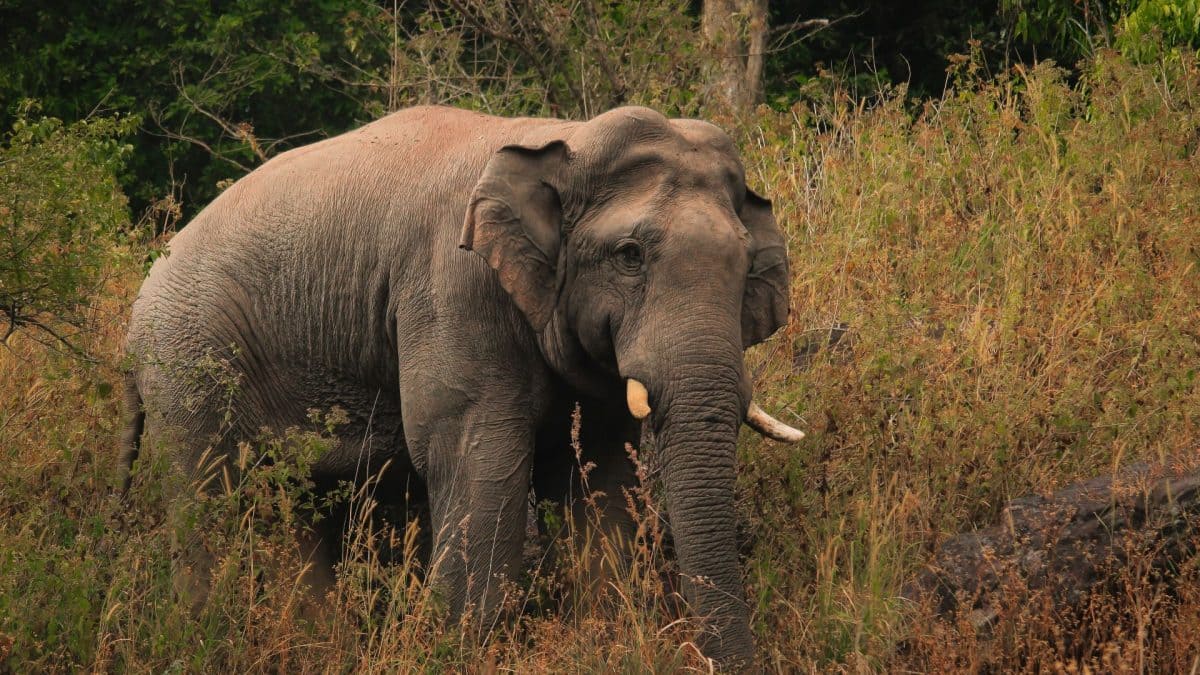
Researchers studied thousands of reports about elephants damaging farms and property in Karnataka.
Most of the reported incidents involved crops or property, while only a few involved people being injured or killed.
Elephants and people had the most trouble in farmland near forests and wildlife reserves.
Problems were especially common after the monsoon, when farmers were harvesting crops.
More nighttime activity was also linked with more reports, but this does not prove that lights attract elephants.
The researchers think many incidents are never reported.
They say communities should focus protective measures on high-risk places and seasons.
Better planning could help farmers while allowing elephants to move between forest areas.

A study analyzed 20,888 verified elephant-related incidents near Karnataka’s Bandipur and Nagarahole National Parks from July 2015 to June 2023.
Cropland was the strongest recurring factor associated with reported human-elephant conflict.
Incidents were most common after the monsoon, when harvesting activity was widespread.
Researchers estimated that only 31.7% of conflict incidents may be detected and reported, even in monitored areas.
The study recommends seasonal, location-specific mitigation, improved monitoring, and land-use planning that considers elephant corridors.
- Who
- Researchers, farmers, local authorities, and elephants were involved in the study’s subject; the incidents occurred in communities near two Karnataka wildlife reserves.
- What
- Researchers analyzed 20,888 verified elephant-related incidents and examined the factors associated with human-elephant conflict.
- Where
- The study focused on areas around Bandipur and Nagarahole National Parks in Karnataka, India.
- When
- The incidents were recorded from July 2015 through June 2023; the research was published on 15 August 2026.
- Why
- The study aimed to identify where and when conflict is most likely so that mitigation and monitoring can be better targeted.
Key facts
- Incidents analyzed
- 20,888 verified elephant-related incidents
- Damage incidents
- 20,867 involved crop or property damage
- Human casualties
- 21 involved human injury or death
- Highest-risk season
- The post-monsoon harvest period
- Potential reporting rate
- Researchers estimated that 31.7% of incidents may be detected and reported
- Monitoring program
- Wild Seve, established in 2015 by the Centre for Wildlife Studies
- Study period
- July 2015 to June 2023
- Publication
- Biological Conservation, 15 August 2026
Sources
Related news

Tamil Nadu Allocates Rs 20 Crore to Curb Human-Elephant Conflict
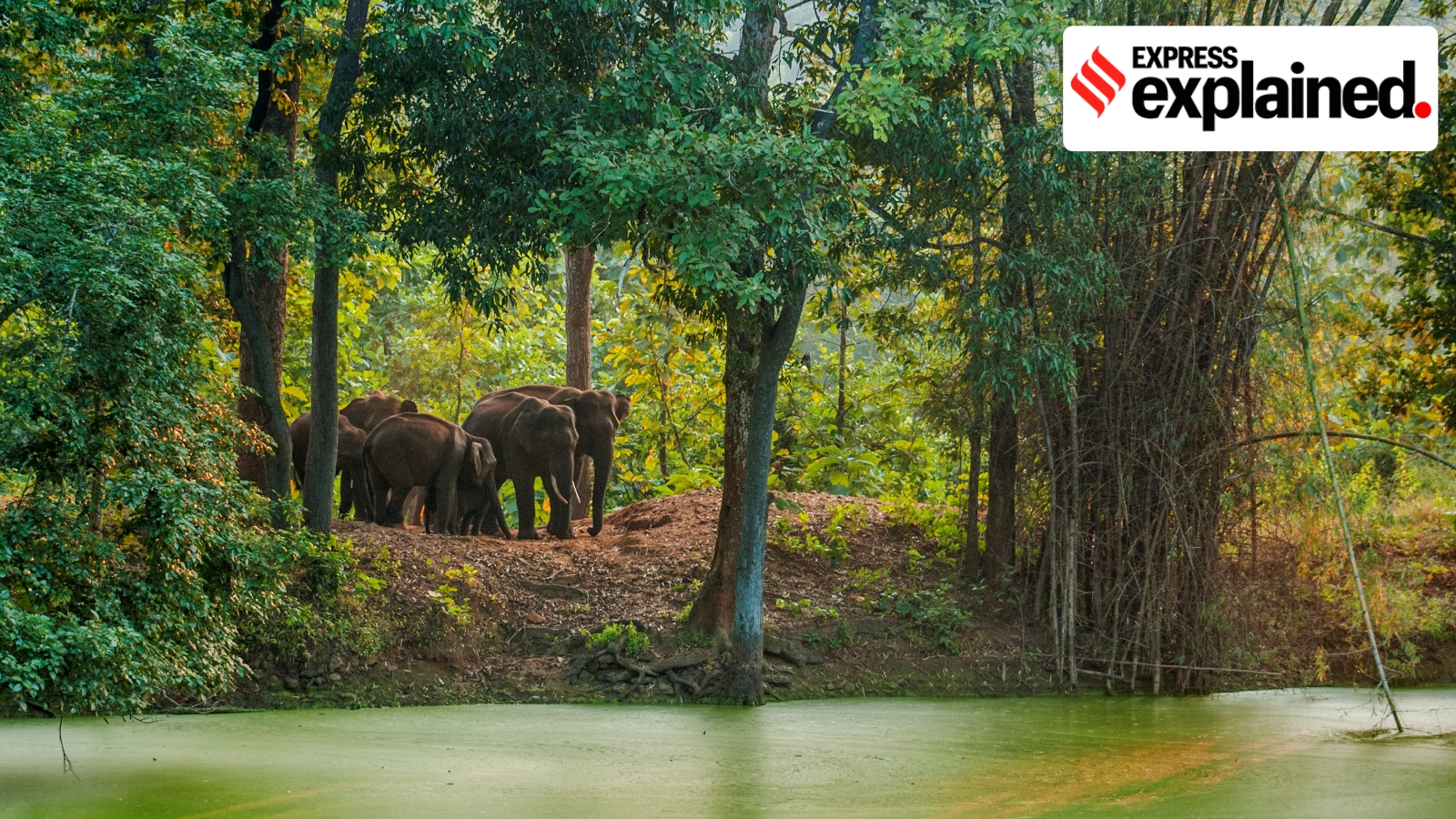
Why Elephant Corridors Matter as Disruptions Intensify Human Conflict

Andhra Pradesh Receives ₹170 Crore Plan To Reduce Elephant Conflicts

India Marks World Elephant Day 2026 with Conservation, Conflict Focus

Indigenous radio collar fitted to Bhuvaneshwari herd elephant in Hassan

Tiger Carcass Found in Chamarajanagar Farm as Probe Begins
World Elephant Day 2026: India's best parks to see elephants

Telangana Yet to Unlock Tiger Reserve Economy Despite Forest Wealth