0 months ago
Telangana Yet to Unlock Tiger Reserve Economy Despite Forest Wealth
Tigers live in special protected places in India called tiger reserves.
A study says 16 of these reserves together are worth about 5.96 lakh crore rupees.
That value comes from clean water, fresh air, and from people who visit to see tigers.
Some states, like Karnataka, have built safaris, hotels, and guide jobs around their reserves.
This creates money and jobs for local people.
Telangana has two very large tiger reserves, Amrabad and Kawal, but not many tourists visit them yet.
The state is now planning homestays and safari experiences to attract visitors.
Officials say when local people earn from tourism, they help protect the tigers.
Some experts warn that tigers also need strong protection and that tribal families should not lose their homes without new jobs.
So Telangana wants to build a wildlife economy that helps both tigers and people.

Telangana, home to Amrabad (about 2,611 sq km) and Kawal (about 2,015 sq km) tiger reserves, sees limited tourist footfall and safari infrastructure.
An NTCA-IIFM economic valuation estimates the combined value of 16 Indian tiger reserves at ₹5.96 lakh crore.
Tiger reserves generate ecosystem benefits worth ₹30,000 to ₹1 lakh per hectare annually, the study found.
Bandipur Tiger Reserve in Karnataka generates about ₹6,406 crore in annual ecosystem service benefits, with every ₹1 invested returning an estimated ₹716.
Telangana is partnering with Deccan Woods and Trails on homestays and safari facilities, while conservationist Mirza Kareem urges stronger monitoring and careful tribal relocation planning.
- Who
- Telangana's forest department, the National Tiger Conservation Authority (NTCA), the Indian Institute of Forest Management (IIFM), conservationists such as Mirza Kareem, and local communities.
- What
- Telangana has not yet harnessed the economic potential of its Amrabad and Kawal tiger reserves through eco-tourism, despite studies showing tiger reserves generate large ecosystem and tourism returns.
- Where
- Telangana, India, mainly at Amrabad Tiger Reserve and Kawal Tiger Reserve; comparisons drawn with reserves in Karnataka, Madhya Pradesh, Rajasthan, and Uttarakhand.
- When
- Not specified in the articles; reported as a current ongoing situation.
- Why
- Because studies show tiger reserves generate economic returns far beyond tourism revenues, through ecosystem services and rural livelihoods, which Telangana has yet to capture.
Conservation-first approach
Tourism-led development approach
How to develop Telangana's tiger reserves
Conservation-first approach
Conservationists like Mirza Kareem say tourism promotion alone is not enough; the state must strengthen monitoring and habitat management, coordinate with neighbouring Maharashtra, and plan tribal relocation and livelihood programmes so people are not displaced without sustainable employment.
Tourism-led development approach
Forest officials say building eco-tourism infrastructure and sustainable employment around reserves turns local communities into conservation stakeholders, reduces wildlife conflict, and is the path to protecting wildlife while generating high economic returns.
Key facts
- State
- Telangana, India
- Amrabad Tiger Reserve area
- ~2,611 sq km
- Kawal Tiger Reserve area
- ~2,015 sq km
- Economic value of 16 Indian tiger reserves
- ₹5.96 lakh crore
- Annual ecosystem benefit per hectare
- ₹30,000–₹1 lakh
- Bandipur annual ecosystem service benefits
- ~₹6,406 crore
- Bandipur ecosystem asset value
- ~₹14,966 crore
- Return on each ₹1 invested in Bandipur
- ~₹716
Quotes
Forest department official
Telangana forest official outlining infrastructure plans
“Tourist inflow has remained low, but the forest department is working to change that. NTCA has prioritised Kawal for strengthening tiger populations, and proposals including animal exchange have been submitted. The Telangana Forest Development Corporation has also partnered with Deccan Woods and Trails to develop innovative homestays, safari experiences and other eco‑tourism facilities. It will take years to turn profitable.”
 deccanchronicle.com
“The state needs to create sustainable employment around tiger reserves. When local communities benefit economically through tourism, guiding, hospitality or conservation work, they become active stakeholders in protecting wildlife. This reduces conflict and encourages people to conserve rather than retaliate when incidents involving wild animals occur.”
deccanchronicle.com
Sources
Related news
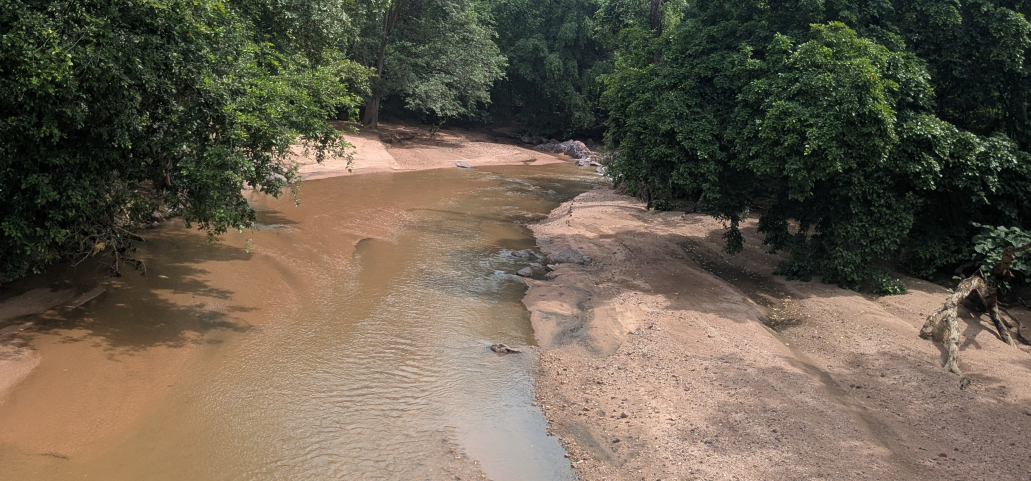
Illegal Sand Mining Drains Kawal Tiger Reserve Water, Threatens Wildlife

Nandur Madhameshwar Sanctuary Eco-Tourism Plan Aims at Conservation, Local Jobs
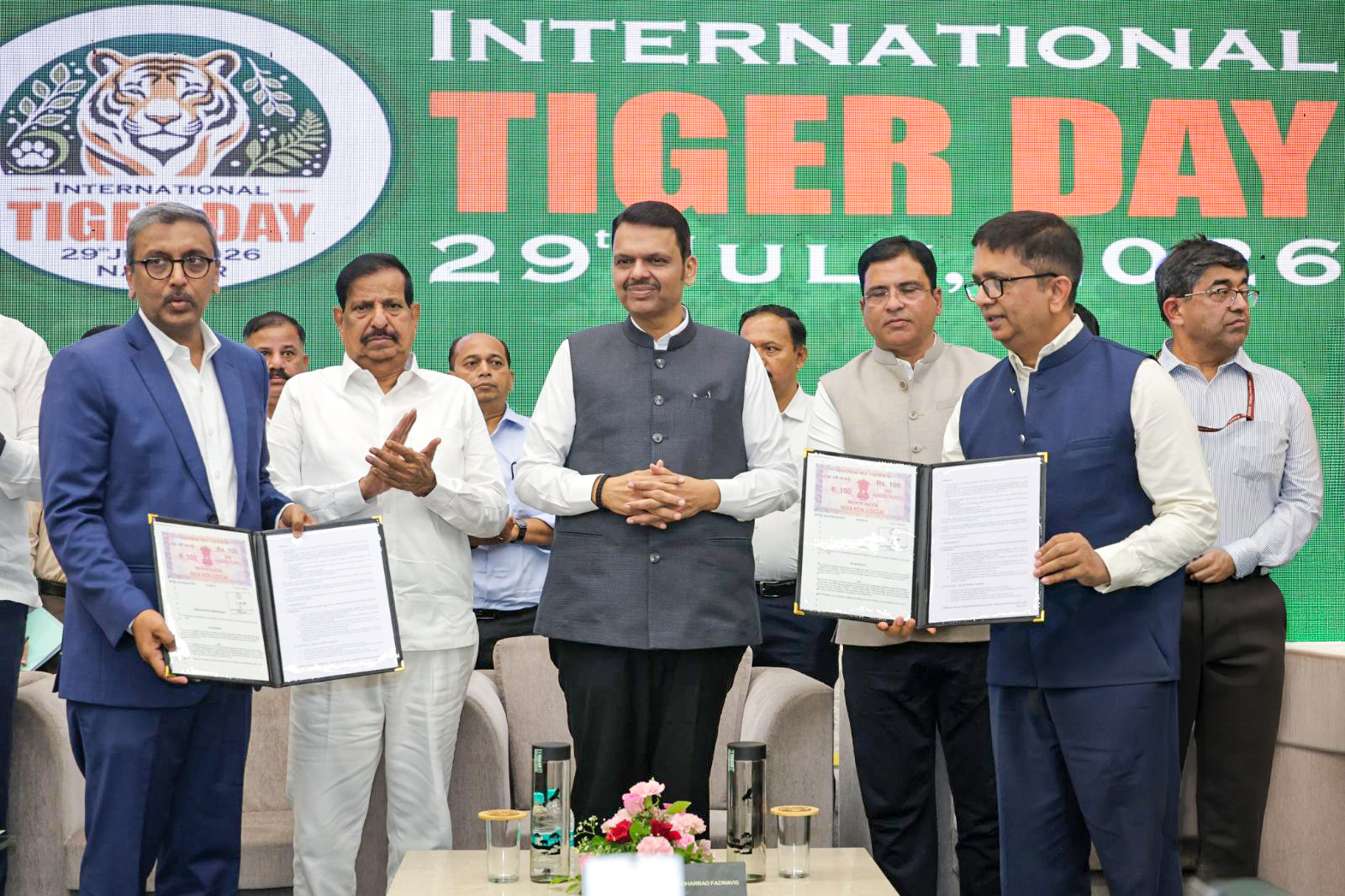
Tadoba-Andhari Tiger Reserve Signs MoU With Airbnb

Two male tigers vanish in North Telangana, protection questioned

Tiger Carcass Found in Chamarajanagar Farm as Probe Begins
Study Links India’s Elephant Conflict to Harvest Season
World Elephant Day 2026: India's best parks to see elephants

Indigenous radio collar fitted to Bhuvaneshwari herd elephant in Hassan