1 week ago
Why Elephant Corridors Matter as Disruptions Intensify Human Conflict
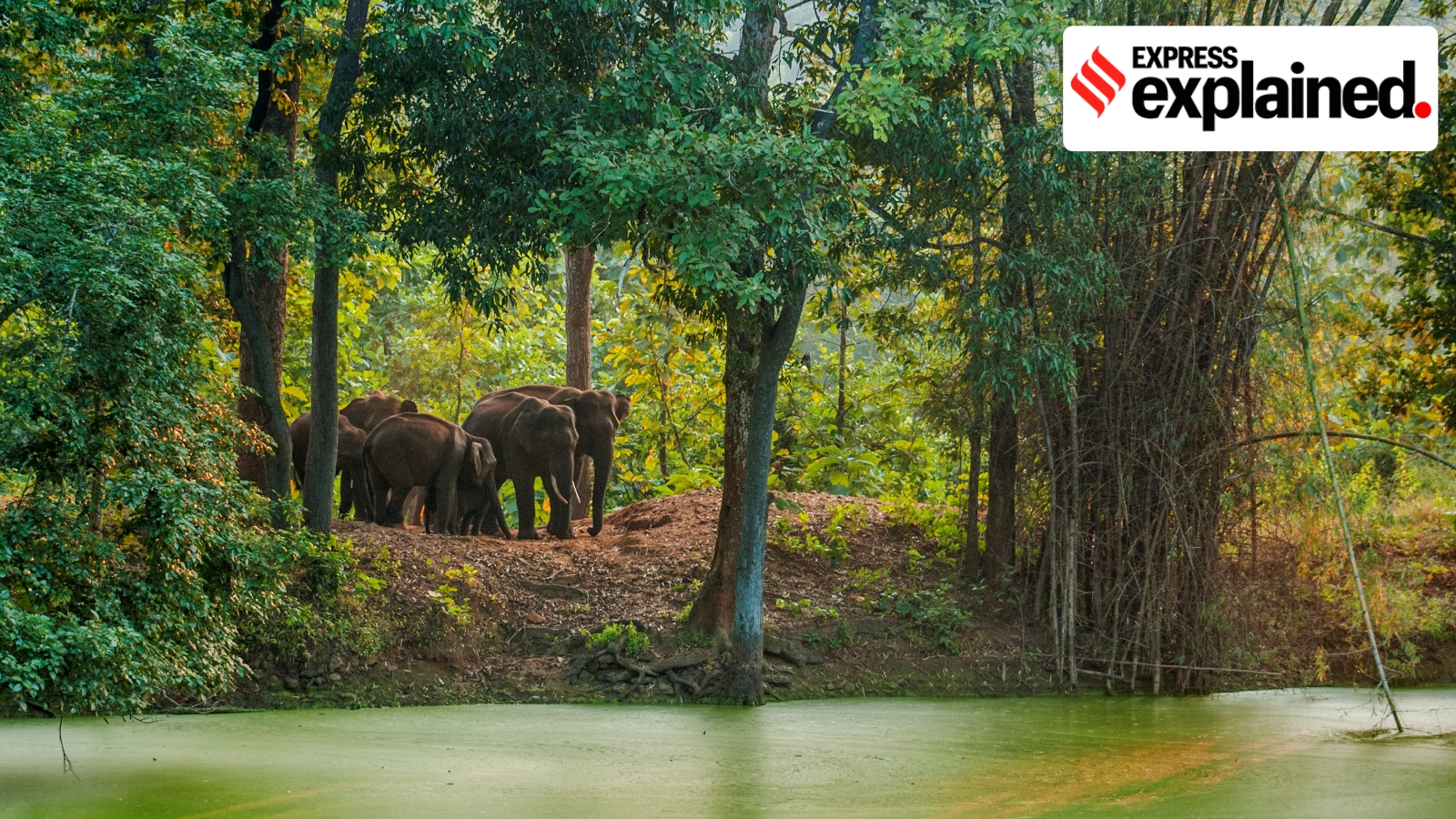
Elephants need to travel long distances to find food, water and shelter.
They use special paths called corridors to move between different forests.
These paths also help elephant groups spread out and keep their populations healthy.
Roads, railways, mines, farms, fences and buildings can block these routes.
When paths are blocked, elephants may enter farms or villages while looking for food and water.
This can lead to conflict between people and elephants.
It can also put the elephants in danger.
On August 17, India’s Supreme Court asked the government to survey the corridors again.
The court also asked what steps would stop people from using harsh methods to drive elephants away.

The Supreme Court directed the Union government to conduct a fresh survey of elephant corridors on August 17.
The court said corridors should not be blocked because elephant herds naturally travel long distances.
Infrastructure, mining, plantations, farms and fences are fragmenting elephant habitats and movement routes.
Disrupted corridors can push elephants toward farmland and settlements, increasing human-elephant conflict.
India’s 2023 mapping identified 150 elephant corridors across 15 states, including bottlenecks caused by roads, railways and power lines.
- Who
- The Supreme Court, led by Chief Justice of India Surya Kant, the Union government, and elephants and communities affected by human-elephant conflict.
- What
- The court directed the Union government to conduct a fresh survey of elephant corridors and address measures that obstruct or coercively divert elephant movement.
- Where
- India, across elephant landscapes including the Western Ghats, North-Eastern Hills and Brahmaputra floodplains, Shivalik Hills and Gangetic plains, and Central India and the Eastern Ghats.
- When
- August 17; the article does not specify the year of the court order. A major corridor-mapping exercise was conducted in 2023.
- Why
- Elephants travel long distances for food, water, shelter and dispersal, while blocked corridors can fragment habitats, threaten elephants and increase conflict with people.
Key facts
- 2023 corridor count
- The government documented 150 elephant corridors across 15 states.
- Elephant population cited
- India had 22,446 elephants, according to the article.
- Major population landscape
- More than 50% of India’s elephants are distributed in the Western Ghats.
- Western Ghats state totals
- Karnataka had 6,013 elephants, Tamil Nadu 3,136 and Kerala 2,785.
- Southern India corridors
- A recent report mapped bottlenecks across 32 southern corridors.
- West Bengal corridors
- West Bengal had the highest number, with 26 identified corridors.
- Charmar-Jingol corridor
- This corridor is about 20 kilometres long and 2.5 kilometres wide, facilitating movement by an estimated 80–100 elephants from Odisha into Chhattisgarh.
Sources
Related news

Supreme Court: States can't block elephant corridors over crop damage
Tamil Nadu Notifies Three Elephant Corridors Near Karnataka Border

Supreme Court Orders Elephant Corridor Survey as Ramesh Flags Destruction

Dia Mirza urges protection of elephant corridors, right of passage
World Elephant Day 2026: India's best parks to see elephants

India Builds Vulture Restaurants to Aid Vanishing Scavengers

Great Nicobar Lighthouse Study Accused Of Listing Fake Species
Barrukhar Village Challenges India’s Protected Vulture Conservation Model

Environmentalists Seek Fast Conservation Status for Navi Mumbai’s DPS Lake

Madhya Pradesh Maps Snake Diversity Amid Rising Bite Concerns