10 hrs ago
Mecca Pact Faces First Test as Allies Offer Words
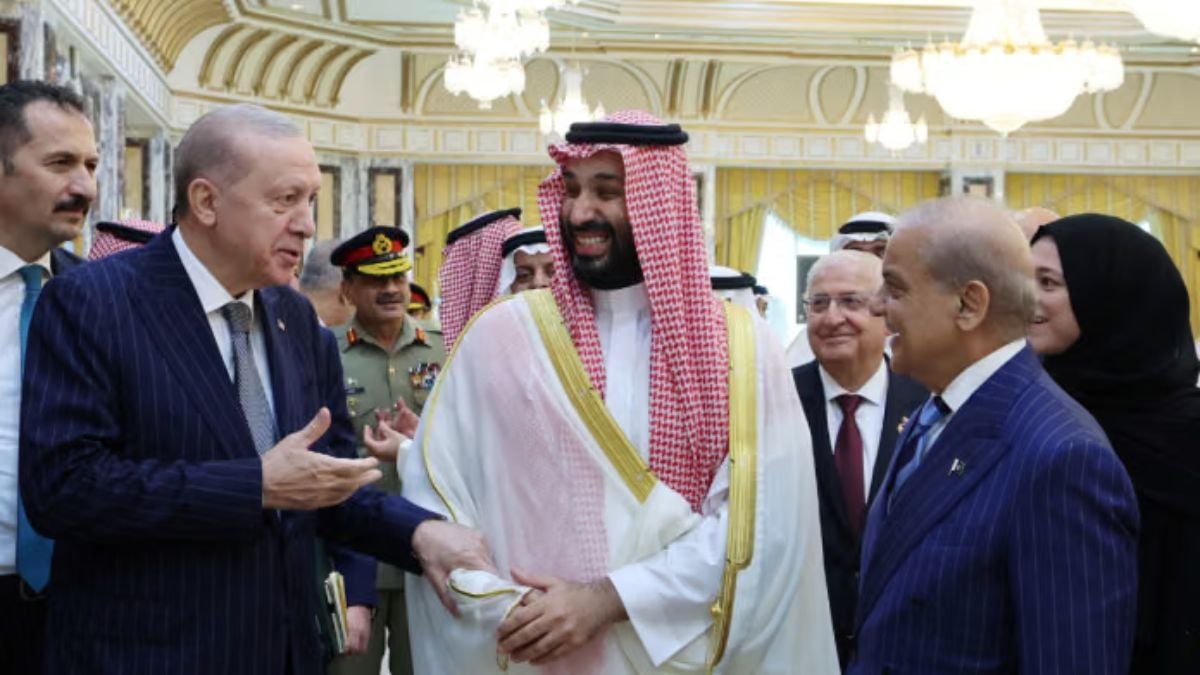
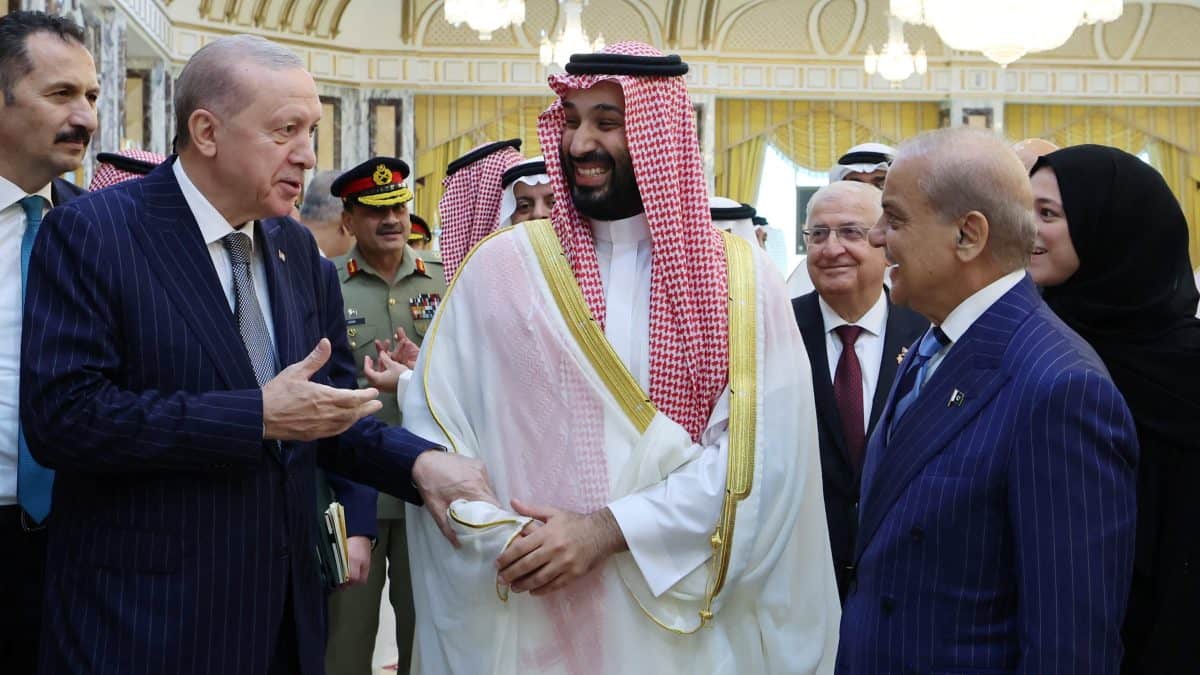
Saudi Arabia, Turkey and Pakistan signed a defence agreement called the Mecca Pact.
It says that an attack on one country should be treated as an attack on all three.
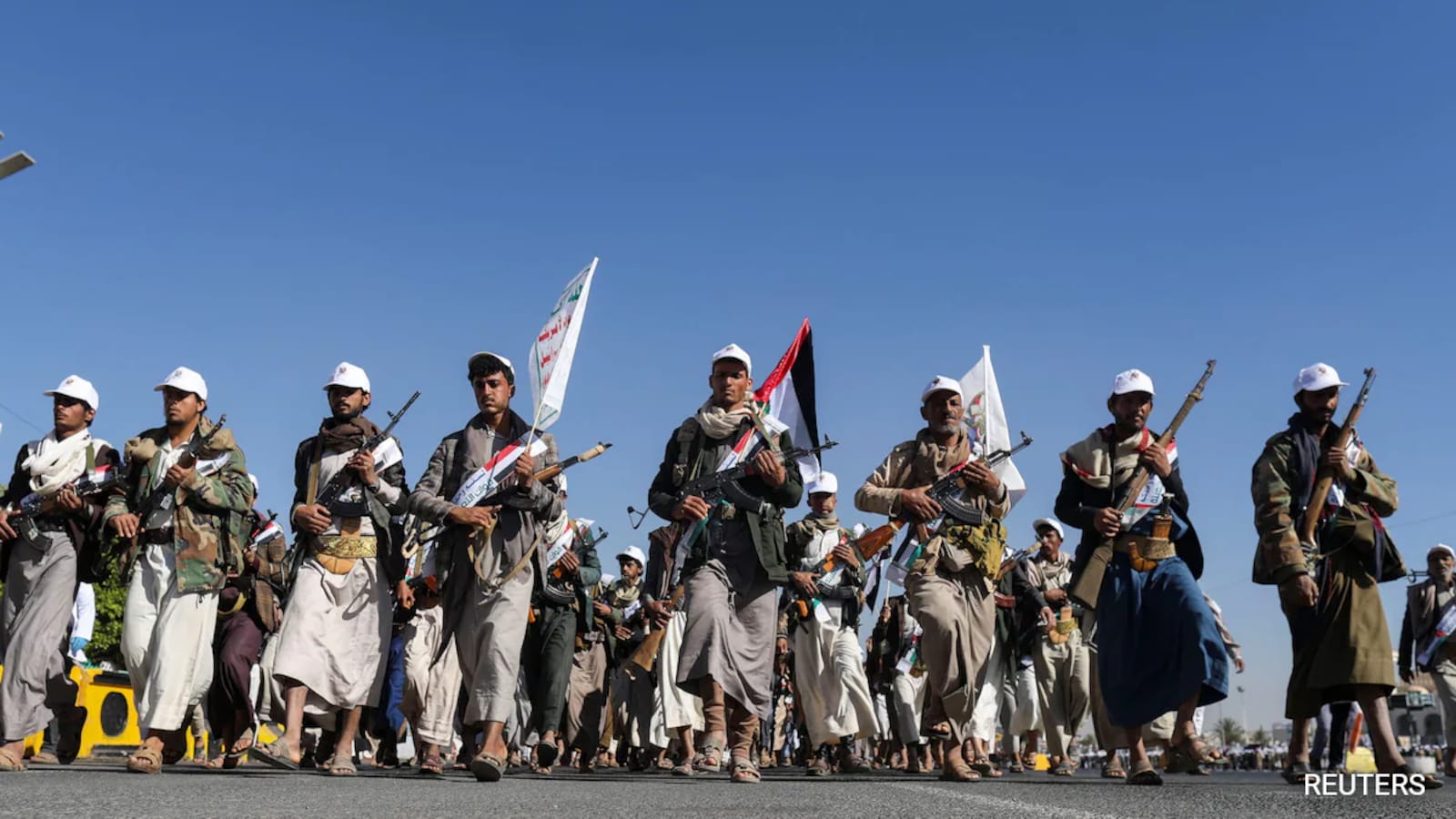
When Houthi forces attacked Saudi Arabia, the pact was not used.
Pakistan offered strong words but did not immediately send troops.
Later, Pakistan’s defence minister said military deployment could be considered.
Turkey sent a senior intelligence official to Pakistan to discuss cooperation.
The article says all three countries want to lead the alliance in different ways.
This disagreement has made the pact less effective during Saudi Arabia’s crisis.

The Mecca Pact was not activated after Houthi forces launched an offensive against Saudi Arabia.
The agreement, signed on 7 August, says an attack on one member should be treated as an attack on all three.
Pakistan initially said no military action had been formally discussed, but Defence Minister Khawaja Asif later said deployment was possible.
Turkey sent intelligence chief Ibrahim Kalin to Pakistan for talks with senior military and political officials.
Analyst Ahmed Saber Abbas says Saudi Arabia, Turkey and Pakistan all want influence, creating a patron-client dispute that has limited cooperation.
- Who
- Saudi Arabia, Pakistan and Turkey are the members of the Mecca Pact; Houthi forces launched the reported offensive.
- What
- The pact faced its first major test but was not activated after the Houthi attack on Saudi Arabia.
- Where
- The reported fighting involved Saudi Arabia and Yemen; Turkey’s intelligence chief held talks in Islamabad, Pakistan.
- When
- The agreement was signed on 7 August; the attack and subsequent discussions occurred recently, with some meetings reported on Thursday.
- Why
- The pact was intended to provide mutual defence, but disagreements over leadership, military commitments and national interests prevented a coordinated response.
Saudi Arabia’s Need for Action
Pakistan and Turkey’s Caution
Activating the pact
Saudi Arabia’s Need for Action
Saudi Arabia expected the mutual-defence agreement to provide practical support during the Houthi offensive.
Pakistan and Turkey’s Caution
Pakistan initially avoided a military commitment, while Turkey’s response was described as limited to condemnation and consultations.
Leadership of the alliance
Saudi Arabia’s Need for Action
Saudi Arabia can argue that its financial resources and security needs should give it a leading role.
Pakistan and Turkey’s Caution
Turkey points to its defence industry, while Pakistan points to its military manpower and nuclear capability; each country wants influence over the alliance.
Military involvement
Saudi Arabia’s Need for Action
The Saudi crisis created pressure for its partners to provide military assistance rather than statements of support.
Pakistan and Turkey’s Caution
Pakistan emphasized diplomacy and mediation, and its defence minister said nuclear weapons were not under consideration; Turkey pursued regional consultations instead.
Key facts
- Agreement
- Makkah Joint Defence Agreement, also called the Mecca Pact
- Members
- Saudi Arabia, Turkey and Pakistan
- Signing date
- 7 August
- Defence provision
- An armed attack against one member is to be regarded as an attack against all three
- Reported trigger
- A Houthi offensive against Saudi Arabia, including an intercepted purported missile near Mecca
- Pakistan’s position
- It initially said no military action had been formally discussed; Defence Minister Khawaja Asif later said military deployment was possible
- Alliance dilemma
- Saudi Arabia brings financial resources, Turkey defence production, and Pakistan manpower and nuclear capability
Quotes
Ahmed Saber Abbas
Security analyst and author cited in the article
“None of them, however, holds enough leverage to make that hierarchy stick.”
 theprint.in
Sources
Related news
Saudi Allies Face Questions Over Mecca Defence Pact

Pakistan Rules Out Immediate Military Action After Houthi Attacks
Mecca Pact Faces First Test After Houthi Strike
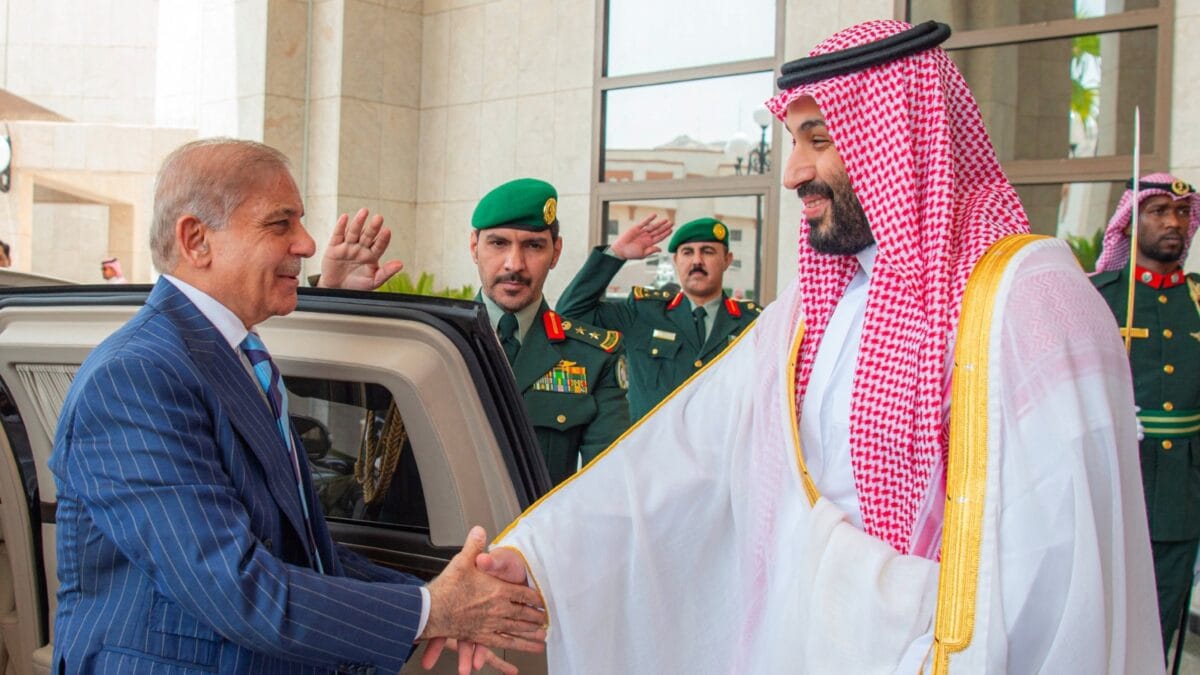
Pakistan Hesitates as Houthi Attack Tests Mecca Defence Pact
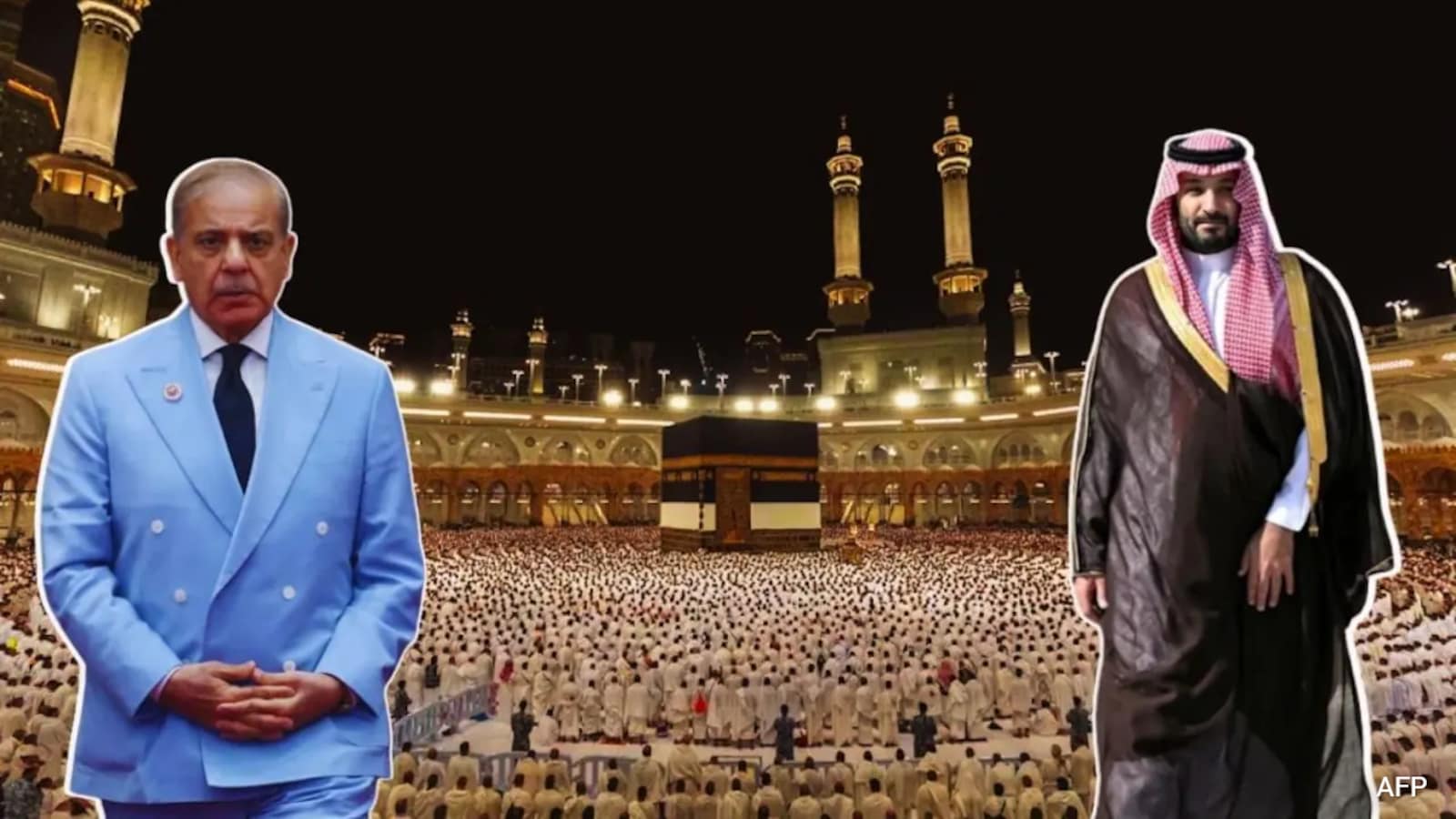
Pakistan Vows Extensive Defense of Saudi Arabia Amid Houthi Attacks

Pakistan Defers Military Action After Houthi Attacks on Saudi Arabia
Turkey Detains Dozens in Raids Amid LGBTQ+ Family Crackdown
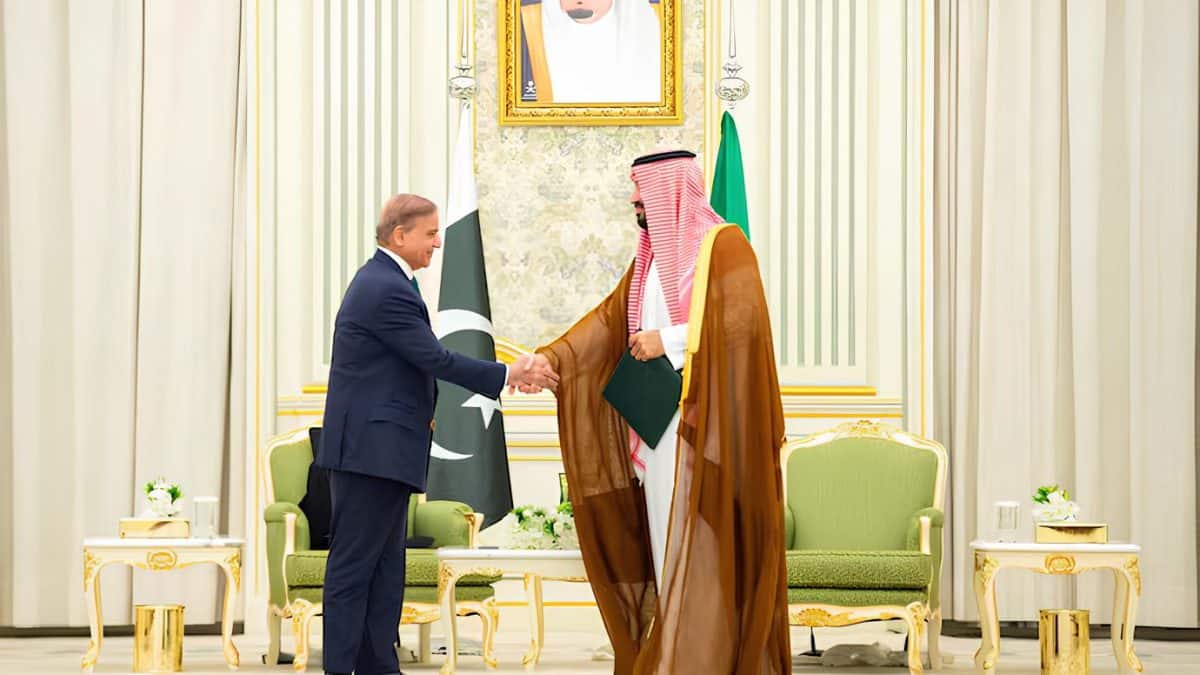
Pakistan-Saudi-Turkey Nuclear Ambiguity Raises Regional Security Fears
Ferry Sinks Off Northern Cyprus, Eight Dead, 22 Missing

At Least Seven Die as Ferry Capsizes Off Northern Cyprus