

5 hrs ago
Saudi Allies Face Questions Over Mecca Defence Pact
Saudi Arabia made a security agreement with Pakistan and Turkey.
The agreement was presented by some officials as a strong defence partnership.
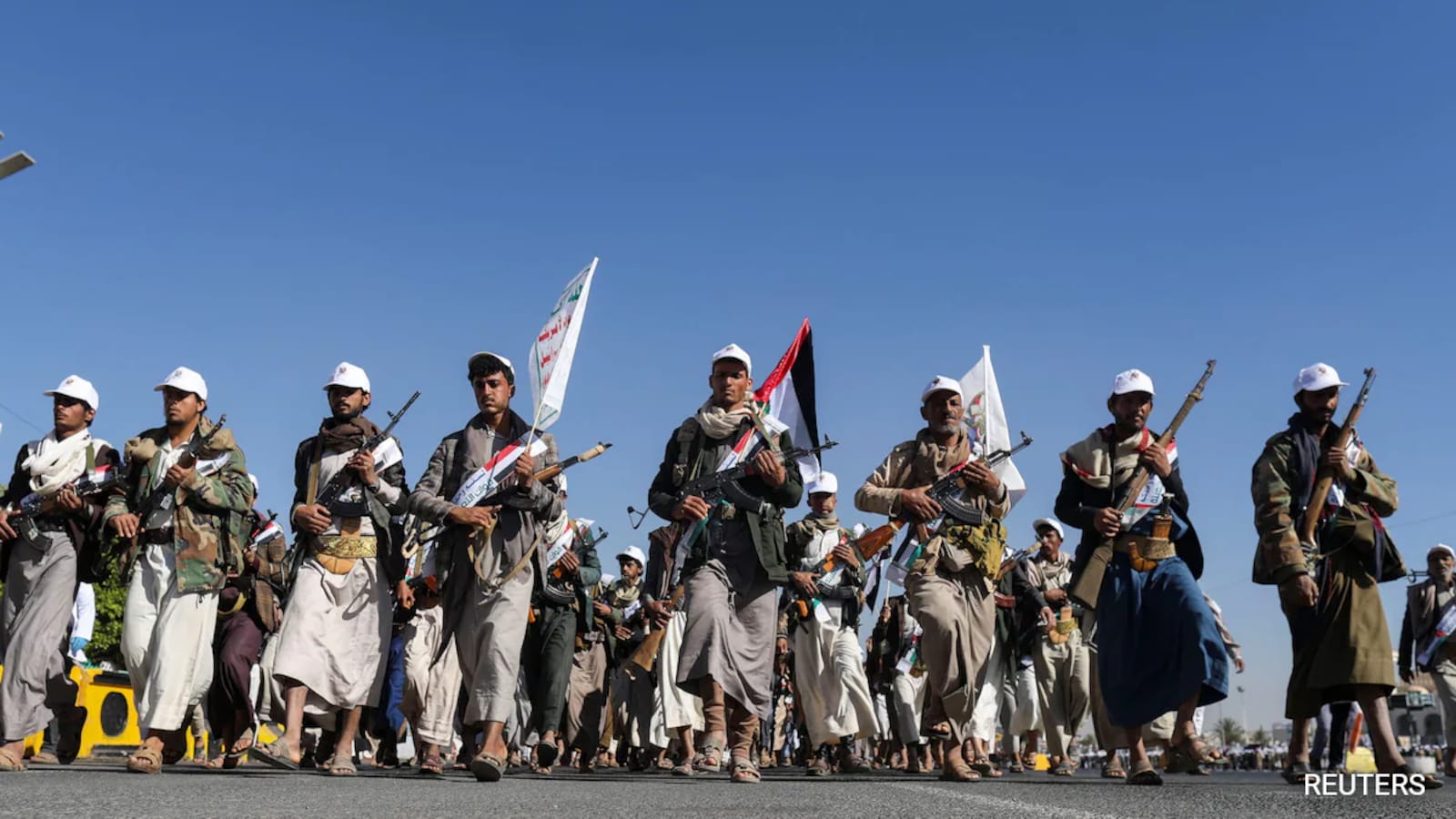
Houthi attacks then struck Saudi Arabia and important energy infrastructure.
The article says Pakistan and Turkey did not send forces to fight the attackers.
Pakistan instead spoke publicly in support of Saudi Arabia and called for diplomacy.
Pakistan may be worried about fighting Iran, which is nearby, while also facing problems at home and along other borders.
The article says Turkey may be more interested in selling defence equipment and building infrastructure.
The author therefore argues that the agreement has not worked like a NATO-style promise to fight for one another.

The article argues that the Mecca Defence Agreement is a security arrangement, not a NATO-style mutual-defence pact.
The agreement links Saudi Arabia, Pakistan, and Turkey and builds on a 2025 Saudi-Pakistan defence pact.
Houthi attacks reportedly damaged Saudi infrastructure, including the East-West Pipeline, and disrupted shipping routes.
Pakistan condemned the attacks and expressed solidarity with Saudi Arabia but did not enter combat against the Houthis.
The article says Pakistan’s security pressures and Turkey’s defence-industry interests help explain their reluctance to intervene militarily.
- Who
- Saudi Arabia, Pakistan, Turkey, and the Houthi movement are the principal parties discussed; Saudi Prime Minister Mohammed bin Salman and Pakistan Prime Minister Shehbaz Sharif also feature prominently.
- What
- The article examines the limited military response to Houthi attacks and argues that the Mecca Defence Agreement is not functioning as a NATO-style mutual-defence pact.
- Where
- The attacks targeted Saudi Arabia, including its East-West Pipeline; related activity affected the Bab al-Mandab and Yemen’s Mokha port.
- When
- The agreement was discussed in 2025, while the article describes Houthi attacks that began the previous week and refers to developments occurring after those attacks.
- Why
- The article attributes the lack of direct intervention to Pakistan’s regional and domestic security pressures and to Turkey’s focus on defence-industry and commercial opportunities.
Criticism of the Pact
Official Defence and Solidarity Claims
Nature of the agreement
Criticism of the Pact
The author argues that the arrangement is a failed deterrent and not a genuine NATO-style mutual-defence pact.
Official Defence and Solidarity Claims
Turkish and Pakistani officials describe the grouping as a sign of unity and solidarity against security threats affecting the Muslim world.
Response to Houthi attacks
Criticism of the Pact
The article criticizes Pakistan and Turkey for not directly defending Saudi territory after attacks on Saudi infrastructure.
Official Defence and Solidarity Claims
Pakistan says it stands with Saudi Arabia, condemns the attacks, and supports its sovereignty while calling for dialogue and restraint.
Reasons for non-intervention
Criticism of the Pact
The author portrays the allies’ military non-response as exposing the pact’s weakness.
Official Defence and Solidarity Claims
The article also acknowledges that Pakistan faces serious risks from Iran, India, Afghanistan, domestic insurgencies, and internal sectarian tensions, making direct intervention costly.
Key facts
- Agreement
- The Mecca Defence Agreement brings together Saudi Arabia, Pakistan, and Turkey.
- Earlier pact
- The arrangement builds on a 2025 mutual defence agreement between Saudi Arabia and Pakistan.
- Reported attacks
- Houthi attacks reportedly targeted Saudi territory and critical infrastructure.
- Energy infrastructure
- The East-West Pipeline, also called the Petroline, was described as damaged and shut down.
- Pakistan’s response
- Prime Minister Shehbaz Sharif condemned the attacks, expressed solidarity, and called for restraint and diplomacy.
- Pakistan’s constraints
- The article cites Pakistan’s border with Iran, tensions with India and Afghanistan, domestic insurgencies, and sectarian concerns.
- Turkey’s interests
- The article presents Turkey as seeking opportunities to expand its defence industry and supply military goods.
Quotes

Shehbaz Sharif
Prime Minister of Pakistan
“Our region has already suffered far too much from conflict. Dialogue and diplomacy remain the only sustainable path towards peace ... Pakistan stands unwaveringly, shoulder to shoulder with the brotherly Kingdom of Saudi Arabia, in defence of its sovereignty and territorial integrity, as well as for the security and sanctity of the Haramain Sharifain, a duty that every Pakistani carries close to their heart.”
 NDTV
NDTV
“While expressing complete solidarity with the Saudi leadership as well as the brotherly people of Saudi Arabia, the Prime Minister stated that the recent Houthi actions threatened regional peace and security and could further disrupt the global economy and energy supplies.”
NDTV
Sources
Related news
Pakistan Hesitates as Houthi Attack Tests Mecca Defence Pact

Pakistan Rules Out Immediate Military Action After Houthi Attacks

Pakistan Defers Military Action After Houthi Attacks on Saudi Arabia

Iran-Backed Attacks Test Turkey-Pakistan-Saudi Arabia Defence Pact
Mecca Alert Exposes Strains in Saudi-Pakistan Defence Pact
Mecca Defence Pact Raises Questions Over Its Intended Threat

Houthis Make New Red Sea Gains Near Bab el-Mandeb

Houthi Advance on Marib Raises Saudi Escalation Fears
Vessel Struck in Hormuz as Houthis Tighten Red Sea Control
Houthi Advance Threatens Red Sea Shipping, Driving Saudi Oil Diversions
