1 week ago
India Allows Duty-Free Sugar Imports as Prices Surge
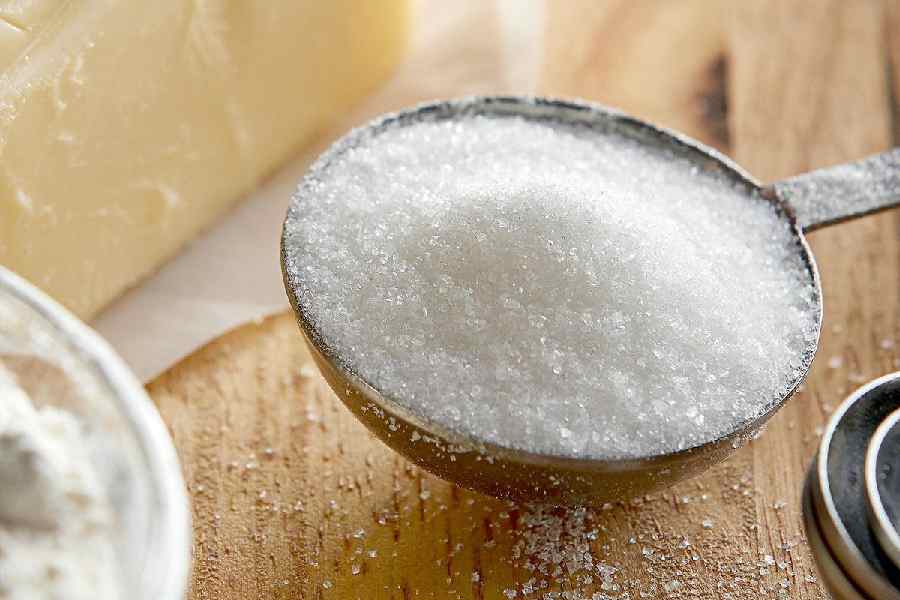
Sugar has become much more expensive in India.
Shop prices rose to about Rs 62-65 per kilogram from Rs 42-44 a month earlier.
To increase supply, the Centre will let mills and refiners import 10 lakh tonnes of raw sugar without the usual 100 per cent duty.
The permission lasts until October 31, 2026.
Some traders say the move could quickly add 300,000 tonnes to local supplies, while others say shipments may take nearly two months.
The government is also stopping large buyers from storing more than 15 days’ worth of sugar.
This rule applies to businesses such as confectioners, soft-drink makers, food processors, and sweet sellers.
Critics say ethanol blending has reduced sugar availability, while experts say festive-season demand is pushing prices higher.
Officials say prices could fall while mills remain profitable because their production costs are lower than current market prices.

The Centre approved duty-free imports of 10 lakh tonnes of raw sugar.
Retail sugar prices rose to Rs 62-65 per kg from Rs 42-44 a month earlier.
The import permission runs until October 31, 2026, while applications are due between August 21 and 28.
Bulk consumers using more than 10 tonnes monthly must limit stocks to 15 days’ consumption from September 1 to November 30, 2026.
Critics blame ethanol blending, while experts cite festive-season demand and lower production as causes of the price surge.
- Who
- The Centre, sugar mills, refiners, bulk sugar consumers, Food Minister Pralhad Joshi, critics, traders, and market experts are involved.
- What
- The Centre allowed duty-free imports of 10 lakh tonnes of raw sugar and imposed a 15-day stockholding limit on large consumers.
- Where
- The measures apply to India's domestic sugar market; imports will enter through eligible mills and port-based refineries.
- When
- Import applications are due from August 21 to 28; imports are permitted until October 31, 2026, and stock limits apply from September 1 to November 30, 2026.
- Why
- The measures aim to increase supply, reduce soaring prices, and curb hoarding and black marketing ahead of the festive season.
Ethanol Policy Explanation
Festive Demand Explanation
Cause of higher prices
Ethanol Policy Explanation
Critics argue that the Centre’s ethanol blending policy contributed to higher sugar prices by affecting available supplies.
Festive Demand Explanation
Experts attribute the increase mainly to stronger demand from August through November for festivals including Ganesh Chaturthi, Dussehra, and Diwali, alongside lower production.
Speed of supply improvement
Ethanol Policy Explanation
A Mumbai-based dealer said the measure could quickly add about 300,000 tonnes of refined sugar to the domestic market.
Festive Demand Explanation
Other market observers said imports, likely from Brazil, could take nearly two months and may not boost domestic supplies until October.
Effect on sugar mills
Ethanol Policy Explanation
The import decision is intended to ease the burden on consumers by bringing domestic prices down.
Festive Demand Explanation
Senior officials said mills would remain profitable even if prices fell by Rs 500 per quintal because production costs are estimated at Rs 4,200-4,300 per quintal.
Key facts
- Approved imports
- 10 lakh tonnes of raw sugar without import duty
- Retail prices
- Rs 62-65 per kg, compared with Rs 42-44 a month earlier
- Wholesale price
- Spot sugar prices reached Rs 5,530 per quintal, a 16-year high
- Previous import duty
- Raw sugar imports were subject to a 100 per cent customs duty
- Stockholding limit
- Bulk consumers using more than 10 tonnes per month may hold no more than 15 days’ consumption
- Production estimate
- Net sugar production for the 2025-26 season is around 27.9 million tonnes after accounting for 2.4 million tonnes used for ethanol
- Opening stock
- Opening sugar stock for the 2025-26 season was close to 4.7 million tonnes
Quotes
Food Minister Pralhad Joshi
Indian minister overseeing food policy
“The proactive step will immediately dispel speculation & ensure adequate supply to consumers at reasonable and stable prices over the coming year.”
 telegraphindia.com
Sources

Related news
India Approves Duty-Free Raw Sugar Imports as Prices Surge

India Allows Duty-Free Sugar Imports as Stocks Fall

India Allows Duty-Free Sugar Imports as Prices Surge
India weighs sugar duty cuts as festive prices rise

Indian Sugar Prices Drop After Imports, Hoarding Curbs
India Allows Duty-Free Sugar Imports as Prices Surge

Shivakumar Calls BJP Padayatra Cover-Up for Internal Crisis

NCERT Prepares Classes 10-12 Textbooks For Responsible AI Use

Karnataka BJP Set to Begin Ten-Day Protest March

Student’s Suicide After NEET Counselling Renews Tamil Nadu Scrapping Demand

India’s Manufacturing Push Hinges on Quality Testing, Joshi Says