3 weeks ago
UK Drought Threatens Food Security as Crop Yields Fall
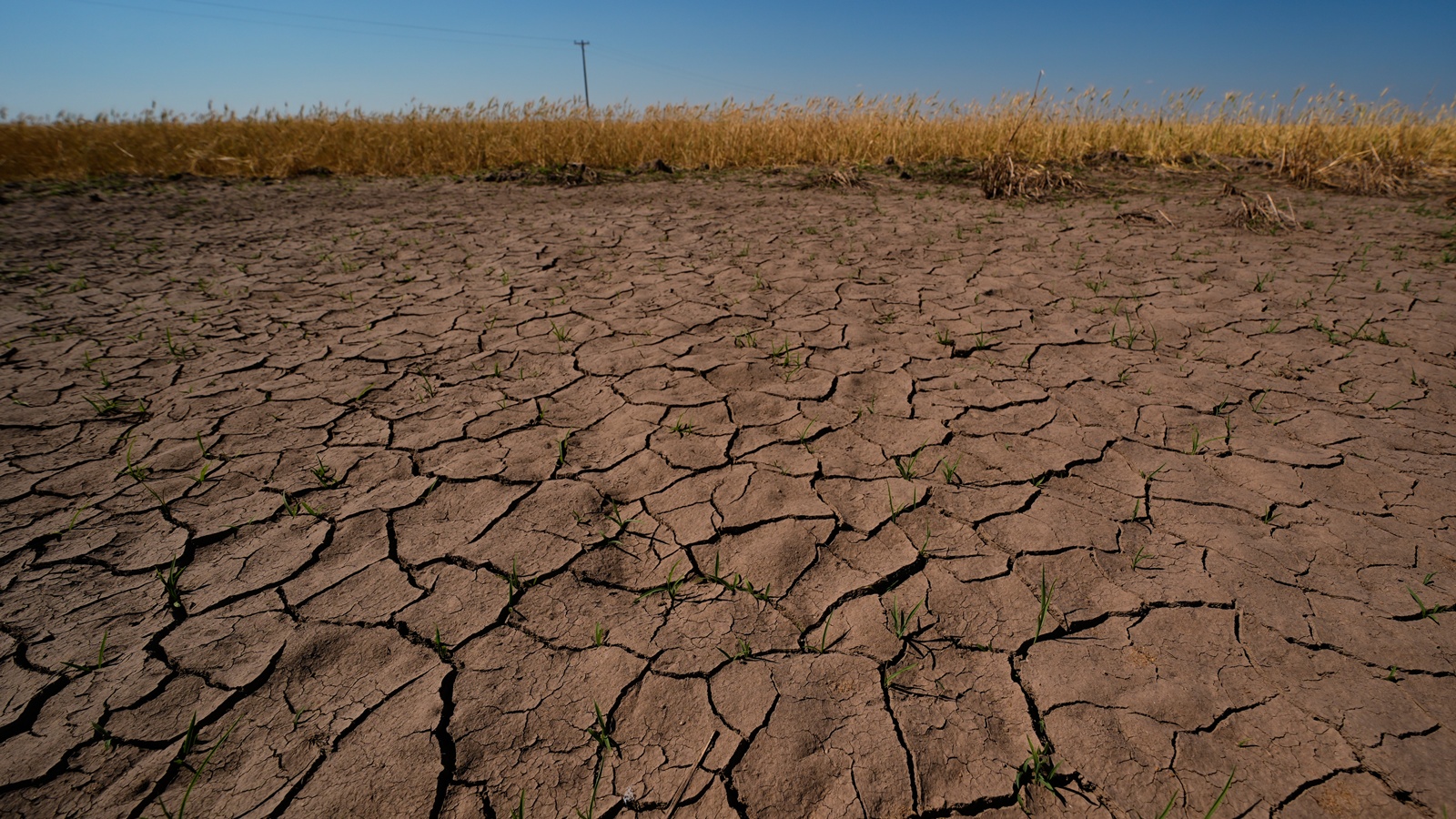
Plants need water to grow, and in England there has been very little rain for months.
July was the driest July England has ever recorded, according to the Met Office.
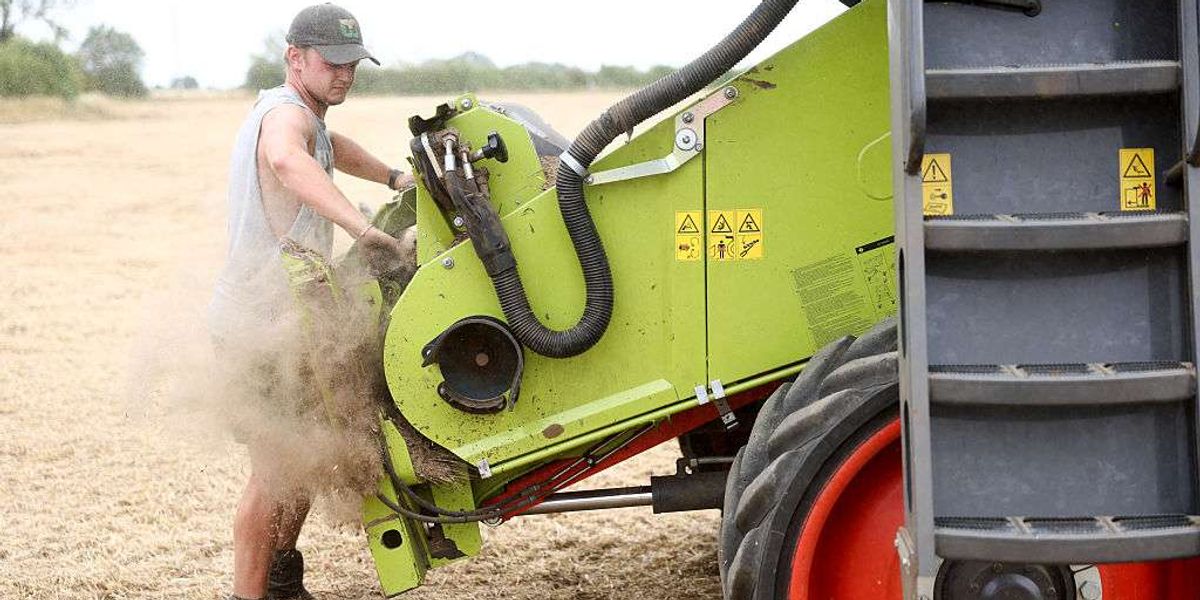
Because of the dry weather, many farmers are growing much less food than before.
A farmer in Suffolk named John Pawsey grew about a quarter to a third less oats, wheat and vetch than he expected.
He also lost his whole quinoa crop, and a professor says the pea crop was only half of what farmers wanted.
When farms make less food, food may cost more and some things could run out in shops.
The head of the National Farmers' Union said people have taken food for granted for too long.
Some farmers are trying new crops that need less water, like chickpeas, fava beans and soya.
Experts say farms need to change so they can handle hotter, drier weather.
The government says it will invest a record amount in water infrastructure, including nine new reservoirs.

England recorded its driest July on record, according to the Met Office, following months of very low rainfall.
Crop yields in parts of England fell by up to 30%, and Suffolk organic farmer John Pawsey reported oats, wheat and vetch down 25-30% plus the loss of his entire quinoa crop.
Professor Nicola Cannon of the Royal Agricultural College said the pea crop produced only 50% of what was wanted after very little moisture since March.
National Farmers' Union president Tom Bradshaw warned that food shortages could emerge if drought conditions continue.
Experts such as Timothy Benton called for more diverse, climate-resilient farming systems, while the government promised record investment in water infrastructure, including nine new reservoirs.
- Who
- Farmers across England, including Suffolk organic grower John Pawsey; experts Nicola Cannon and Timothy Benton; National Farmers' Union president Tom Bradshaw; and the Met Office.
- What
- A prolonged drought cut crop yields by up to 30 percent, threatening Britain's food security and prompting warnings of shortages.
- Where
- England, with affected farms including in Suffolk; concerns span the United Kingdom.
- When
- Over recent months of low rainfall, including England's driest July on record.
- Why
- Prolonged drought and very little rain, which experts say could become a growing risk to food supply as climate change advances.
Key facts
- Driest July on record
- England, per the Met Office
- Reported yield losses
- Up to 30% in parts of England
- John Pawsey's losses (Suffolk)
- Oats, wheat and vetch down 25-30%; entire quinoa crop lost
- Pea harvest shortfall
- Only 50% of target, per Professor Nicola Cannon
- Shortage warning
- Food shortages possible if drought continues (Tom Bradshaw, NFU)
- New crops being trialled
- Fava beans, chickpeas, soya
- Government response
- Record water infrastructure investment, including nine new reservoirs
Quotes
Timothy Benton
Food security expert
“"We've invested too much in worrying about wheat genetics and not enough about farming systems."”
 easterneye.biz
“"All of our fears were realised when we got our combines into the field."”
easterneye.biz
Tom Bradshaw
President of the National Farmers' Union
“"We have taken our food supply for granted for far too long."”
easterneye.biz
Sources
Related news
UK PM Burnham announces £65m support for drought-hit farmers
Drought Grips Nearly Three-Quarters of England as Heat Looms
UK drought exposes fragile food system, researcher warns

Europe’s Scorching Summer Damages Farms and Raises Food Prices

Punishing European Drought Shrivels Crops, Hits Farmers Across Continent
UK Records Hottest Summer for Second Consecutive Year
UK Records Hottest Summer Since 1884 Amid Heat and Drought
Why India Has Been Cooler as Global Heat Intensifies

Indian Monsoon Expected To Pause As El Niño Strengthens

Strong El Niño Threatens India’s Monsoon, Raises 2027 Heat Risk