30 mins ago
Pentagon Watchdog Finds US Weapons Gaps After Iran War
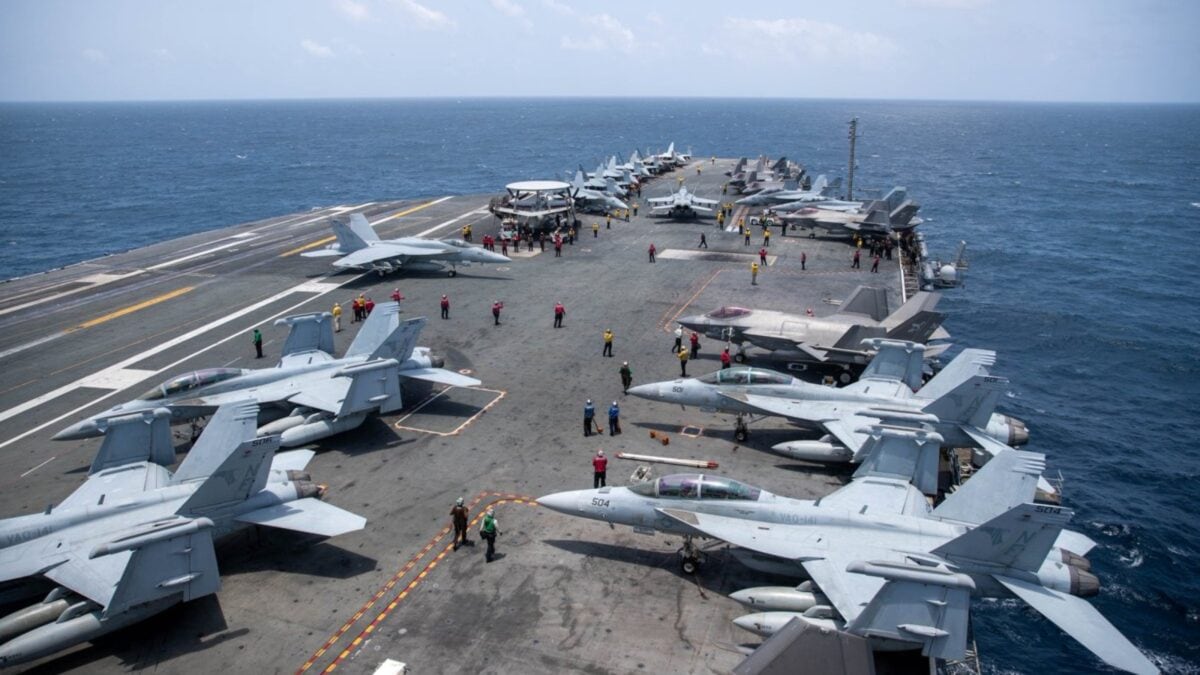
A US government watchdog studied what happened during the Iran war.
It found that the United States used many advanced weapons and now has fewer of them available.
Experts said rebuilding those supplies could take about three years.
Iranian attacks also damaged US buildings, aircraft and drones in several Middle Eastern countries.
Some American diplomatic buildings were damaged too.
The war cost the United States tens of billions of dollars.
The State Department spent more money on emergency actions and evacuating about 9,000 Americans.
At the same time, the United States approved more than $44 billion in military sales to countries in the region.
US and Iranian officials also gave different explanations for what happened to an oil tanker near the Strait of Hormuz.

A Pentagon inspector general report found strategic shortfalls in advanced munitions and bottlenecks slowing resupply.
Iranian strikes damaged or destroyed hundreds of structures and dozens of US aircraft and drones across bases in eight countries.
US diplomatic facilities in Iraq, Kuwait, Saudi Arabia and the UAE sustained an estimated $184 million in physical damage.
The war had cost the United States about $37.5 billion by late July, while State Department conflict-related costs reached $113 million by early June.
Around 9,000 Americans were evacuated for more than $11 million, while US military sales during the reporting period exceeded $44 billion.
- Who
- The US government, Pentagon inspector general, State Department, USAID, Iranian forces and US citizens were involved or affected.
- What
- A watchdog report assessed the Iran war’s effects on US weapons stocks, military bases, aircraft, diplomatic facilities, costs and evacuations.
- Where
- The damage occurred at US facilities and bases in Kuwait, Bahrain, Qatar, the UAE, Saudi Arabia, Iraq, Oman and Jordan, as well as diplomatic posts in four countries.
- When
- The report covered April 1 through June 30, 2026; the conflict began after US and Israeli strikes on February 28, and costs were reported through late July in some figures.
- Why
- The report was intended to provide an official assessment of the conflict’s military, financial and physical impact; the war also prompted evacuations and continued regional tensions.
US and CENTCOM account
Iranian account
Cause of the El Gaia tanker incident
US and CENTCOM account
US Central Command said the Panama-flagged tanker El Gaia was hit by an Iranian missile and later struck by a drone off Oman.
Iranian account
Iran’s Islamic Revolutionary Guard Corps said the tanker struck a naval mine in the Strait of Hormuz; Iranian state-linked reporting said it exploded and caught fire after colliding with mines.
Key facts
- Weapons impact
- The report identified strategic inventory shortfalls and industrial bottlenecks affecting advanced-munitions resupply.
- Estimated replenishment time
- Military experts estimated that restoring advanced missiles and defensive interceptors to pre-war levels could take about three years.
- Military war cost
- Defense Secretary Pete Hegseth told Congress in late July that the war had cost about $37.5 billion.
- Diplomatic damage
- US diplomatic facilities in Iraq, Kuwait, Saudi Arabia and the UAE sustained an estimated $184 million in physical damage.
- State Department costs
- The State Department reported $113 million in conflict-related costs by early June, including nearly $80 million for contingency measures.
- Evacuations
- About 9,000 US citizens were evacuated from the Middle East and Europe for more than $11 million.
- Regional military sales
- The United States recorded more than $44 billion in emergency and non-emergency military sales during the report period.
Sources
Related news
Iran Claims New Strikes Damaged U.S. Aircraft in Jordan
USS Abraham Lincoln Shows Iran War’s Enduring Costs

Six Months Into Iran War, No Winners and Global Costs
Pentagon reports 774 US casualties in Iran war amid backlash

Pentagon Weighs Gulf Troop Cuts After Iran War Damage

Vance Sought Private Iran War Assessments Amid Stockpile Concerns

Saudi East-West Pipeline Closure Threatens Global Oil Supplies and Prices

Houthi Attacks Injure 13 as Strait of Hormuz Talks Stall

Tanker Rates Surge, But Shipping Stocks Face Cyclical Risks
Trump Demands Reimbursement for Securing Strait of Hormuz