1 hr ago
Premium Grocery Brands Face a Tough Rs 100-Crore-to-Rs 500-Crore Leap
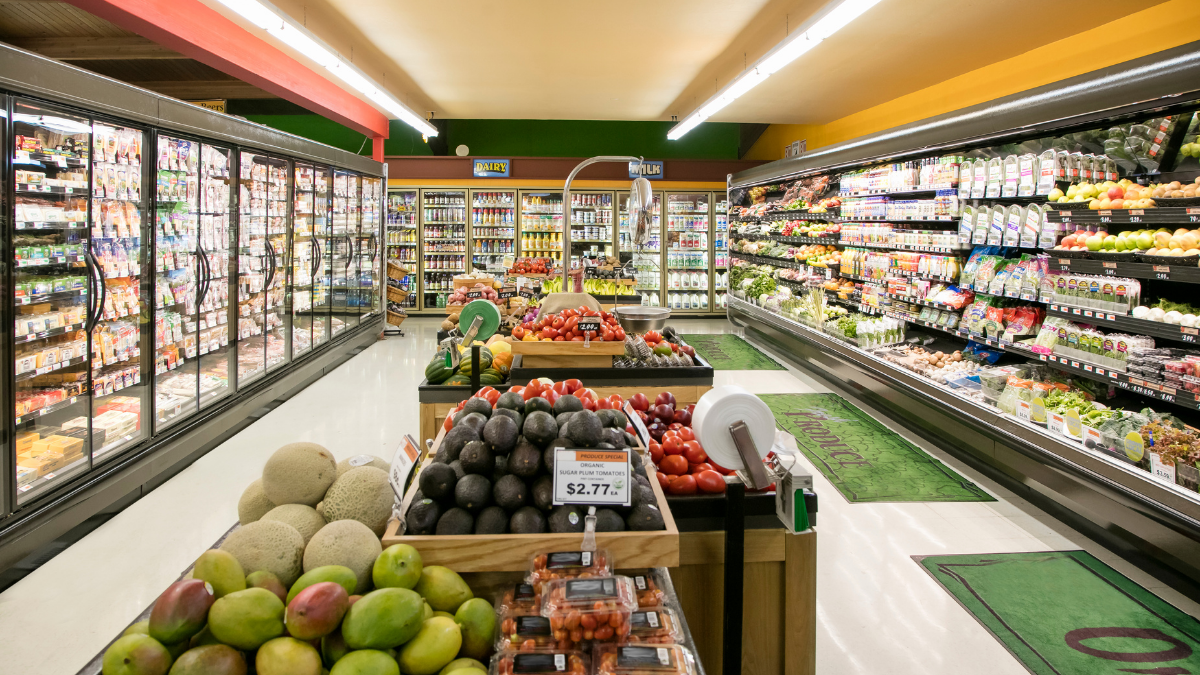
Premium grocery brands sell special foods such as high-quality oils, flour and ghee.
Online quick-commerce services help these brands reach shoppers in many cities quickly.
This makes it easier to grow a business to around Rs 100 crore in sales.
Growing much bigger, toward Rs 500 crore, is harder.
Brands then need to sell through more kinds of shops and manage a larger supply chain.
Making and delivering food can also cost a lot, even when products sell at high prices.
As production grows, brands must make sure their food stays good and trustworthy.
Their next challenge is turning quick online sales into repeat purchases and wider distribution.

Quick commerce is helping premium grocery brands reach consumers across cities without first building traditional distribution networks.
Fireside Ventures partner Adarsh Menon says growth from Rs 100 crore to Rs 500 crore is harder than reaching the first Rs 100 crore.
Gulab Group gets 76% of its revenue from quick commerce; Patang gets 61% and reported about Rs 40 lakh in its first eight months.
Affluent and younger consumers are showing willingness to pay premium prices for quality, provenance and ingredients.
Scaling brings challenges including distribution, supply-chain costs, profitability and maintaining product quality and trust.
- Who
- Premium grocery brands, including Gulab Group and Patang, and industry observers.
- What
- Brands are finding it harder to scale from Rs 100 crore to Rs 500 crore than to reach their first Rs 100 crore.
- Where
- India.
- When
- The article describes the current growth phase of premium grocery brands.
- Why
- Scaling requires broader distribution, stronger operations and supply chains, more capital, and control of costs and product quality.
Growth opportunity
Scaling constraints
Quick commerce and customer reach
Growth opportunity
Quick commerce and digital channels let young brands reach consumers across cities quickly and build initial scale without first creating traditional national distribution.
Scaling constraints
Digital traction alone may not support the next stage; brands need modern trade and general trade distribution, stronger sales execution and broader operating capabilities.
Premium demand and profitability
Growth opportunity
Affluent and younger consumers are increasingly conscious of quality, provenance and ingredients, creating demand for premium food products.
Scaling constraints
Manufacturing, spoilage, logistics, platform commissions and promotions can pressure operating margins, and many brands lack the scale to absorb these costs efficiently.
Scaling and product trust
Growth opportunity
Brands can grow by converting quick-commerce-led discovery into repeat consumption and wider distribution.
Scaling constraints
Increasing volumes can make it more difficult to preserve sourcing standards, freshness, authenticity and quality across the supply chain.
Key facts
- Key growth hurdle
- Scaling from Rs 100 crore to Rs 500 crore.
- Gulab Group quick-commerce revenue share
- 76%.
- Patang quick-commerce revenue share
- 61%.
- Patang early revenue
- Around Rs 40 lakh in its first eight months.
- Patang gross margin
- 70%.
- Premium oil prices cited
- Rs 800–1,500 per litre, compared with Rs 150–250 for regular variants.
- Premium wheat flour prices cited
- Rs 160–260 per kg, compared with Rs 55–75 for conventional products.
Quotes
Richa Khandelwal
Founder and managing director of Leads Brand Connect.
“HNIs (high net-worth individuals) and connoisseurs have always looked for exceptional products, but we are also seeing younger consumers becoming much more conscious about what they bring into their homes. That is where we saw an opportunity for our brand Coração Do Vale.”
 financialexpress.com
“Families are simply more conscious now. They read labels, they question ingredients, and they look well beyond price.”
financialexpress.com
Sources
Related news
Amazon Targets a Much Bigger Quick-Commerce Role Across India
India's Quick-Commerce Sector Hits Profit Wall During Market Recalibration
Flipkart Gains Early Quick-Commerce Edge Over Amazon as Networks Scale
Tier-2 and Tier-3 Consumers Propel New-Age Brand Premiumization

Unilever Names India Blueprint for Emerging Market Growth