

6 days ago
Nestle Seeks Industry Input in India’s Food Warning Debate
India is deciding whether packaged foods and drinks should carry health warnings on their fronts.
The warnings could identify products high in sugar, salt or fat.
Nestle says it supports these warnings.
However, Nestle also wants food companies to help discuss how the rules are written.
Health activists worry that companies could weaken the rules.
India’s Supreme Court has criticized delays and called for the warnings to be implemented.
Industry estimates say nearly 80% of products in India’s packaged-food and beverage market could be high in fat, sugar or salt.
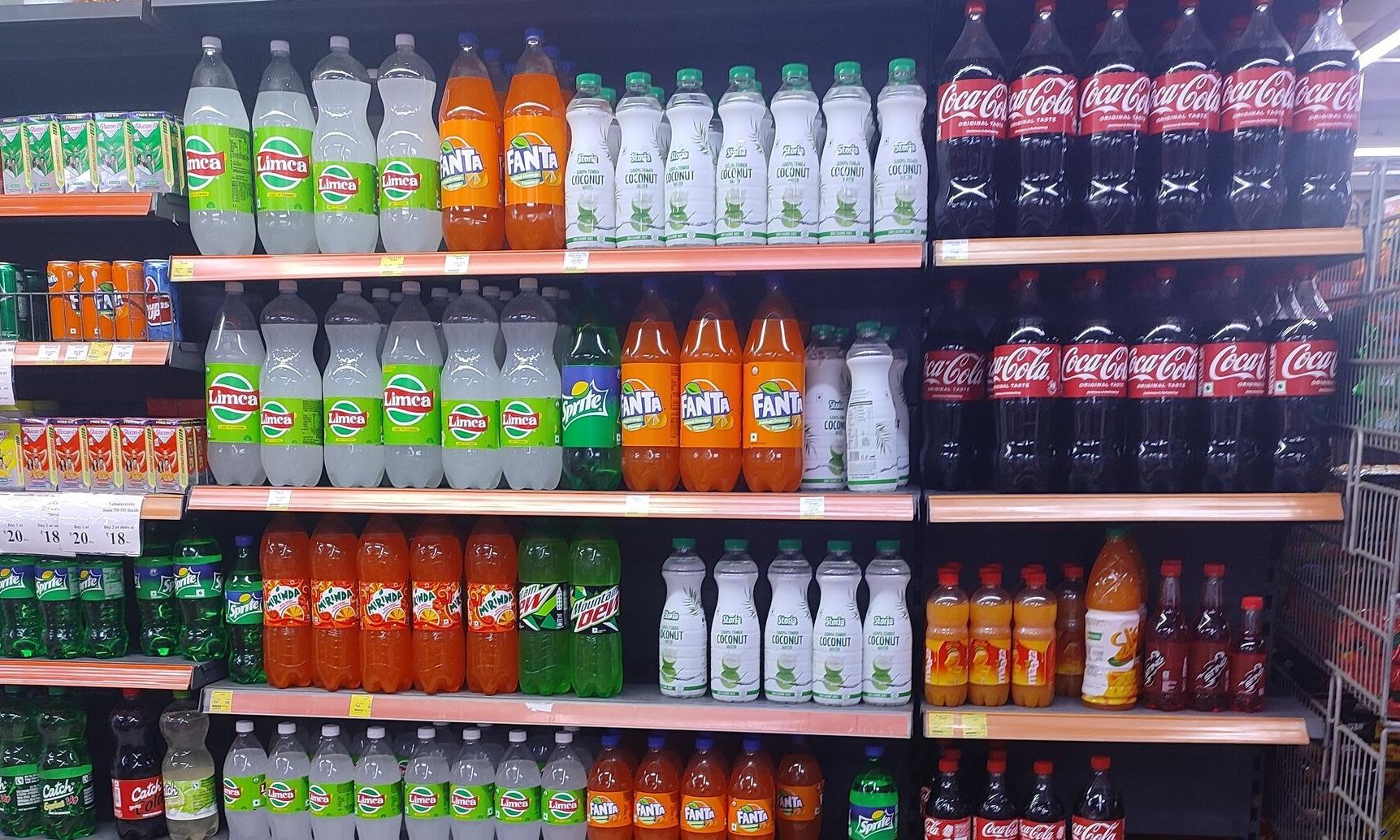
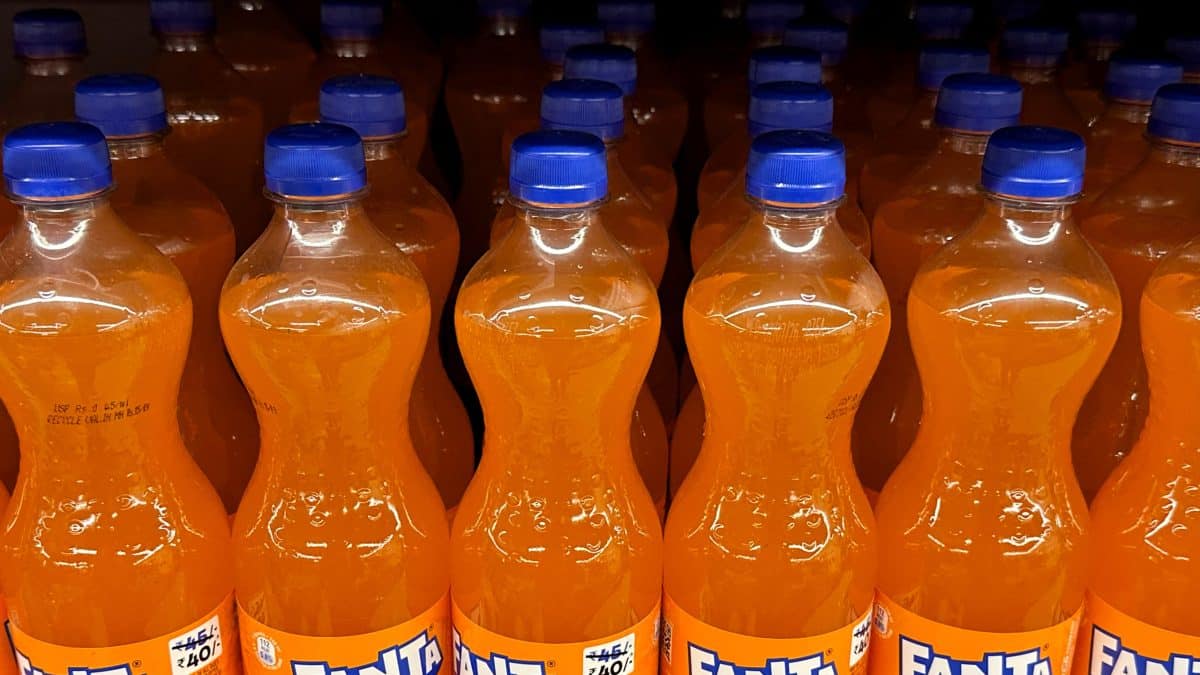
People also criticized differences between products sold in India and Europe, including Fanta’s reported calorie content.
The debate also includes whether healthier ingredients would make products more expensive.

Nestle CEO Philipp Navratil said companies should be consulted while India drafts front-of-pack health-labeling rules.
Nestle supports warnings for products high in sugar, salt and fat, but says the process should be scientific.
India’s government dropped an earlier proposal in March after opposition from Coca-Cola and industry groups.
India’s Supreme Court criticized delays and called for front-facing warning labels after hearing health activists’ pleas.
Activists and consumers objected to industry involvement and cited higher sugar and calorie levels in some Indian products.
- Who
- Nestle CEO Philipp Navratil, Indian health activists, food companies, consumers, the Indian government and the Supreme Court of India.
- What
- India is debating front-of-pack warning labels for foods and drinks high in sugar, salt and fat.
- Where
- India, with product comparisons involving London and other European markets.
- When
- Navratil’s comments were published on Thursday; the government dropped an earlier proposal in March.
- Why
- The debate concerns the absence of warning labels, industry participation in drafting rules and public-health concerns about sugar, salt and fat.
Public Health Advocates
Food Industry
Industry role in rulemaking
Public Health Advocates
Activists say companies should not help decide labeling rules because their participation could weaken public-health policy.
Food Industry
Nestle says companies should have a voice and help ensure the rules are scientifically designed.
Implementation of warnings
Public Health Advocates
Health activists and the Supreme Court support implementing front-facing warnings for high-sugar, high-salt and high-fat products.
Food Industry
Nestle supports warning labels in principle but emphasizes consultation and debate over how the system is designed.
Cost of healthier ingredients
Public Health Advocates
Vir Sanghvi argued that higher prices could be acceptable if healthier ingredients benefit the nation’s health.
Food Industry
Companies’ position, as described by Sanghvi, is that using healthier ingredients would increase product prices.
Key facts
- Proposed measure
- Front-of-pack health warnings for foods and drinks high in sugar, salt and fat.
- Nestle’s position
- Nestle supports front-of-pack labeling but says manufacturers should be consulted.
- Earlier proposal
- The Indian government dropped a labeling proposal in March after opposition from Coca-Cola and industry groups.
- Supreme Court action
- The Supreme Court criticized delays and called for front-facing warning labels.
- Potential market scope
- Industry estimates suggest nearly 80% of products in India’s more than $100 billion packaged food and beverage market could be high in fat, sugar and salt.
- Product comparison
- A same-sized can of Fanta was described as containing 63 calories in London and 185 calories in India.
- Regulator response
- The Food Safety and Standards Authority of India did not respond to Reuters’ questions.
Quotes
Dr. Arun Gupta
Convenor of Nutrition Advocacy in Public Interest
“Nestle's call for industry participation in India’s labelling rules is a clear attempt to weaken public health policy. They have used warning labels in Europe since 2013 while their trade bodies fought them in India.”
 CNBC TV 18
 NDTV
NDTV
 telegraphindia.com
“They are right when they say it would cost more to use healthier ingredients. The prices of their products would go up ... but is that such a bad thing?”
CNBC TV 18
NDTV
telegraphindia.com
Philipp Navratil
Nestle chief executive
“It's always good to have a voice from companies; there might be different views (on the subject). We can be part of the debate in terms of making sure it's scientifically done.”
CNBC TV 18
NDTV
telegraphindia.com
Sources
Related news
India Drops Food Warning Labels as Court Reviews Policy
India’s Front-of-Pack Food Warning Debate Faces Industry Pushback

India Proposes Red Front-Pack Warnings for High-Nutrient Foods
India’s Proposed Food Warning Labels Face Health, Industry Backlash

Supreme Court gives FSSAI last chance on warning labels

Maharashtra FDA Chief Challenges Differing Food Standards, Labels

Government Defends 7.8% GDP Growth as Congress Raises Doubts
BRICS Expansion Puts Membership and Reform at New Delhi Summit

Piyush Goyal Defends India’s 7.8% GDP Growth Amid Criticism
Mahua Moitra Questions India’s 7.8% GDP Growth Figures
Goyal Defends India’s 7.8% GDP Growth Amid Data Debate
