6 days ago
Gandak River Falls, Easing Flood Threat From Nepal
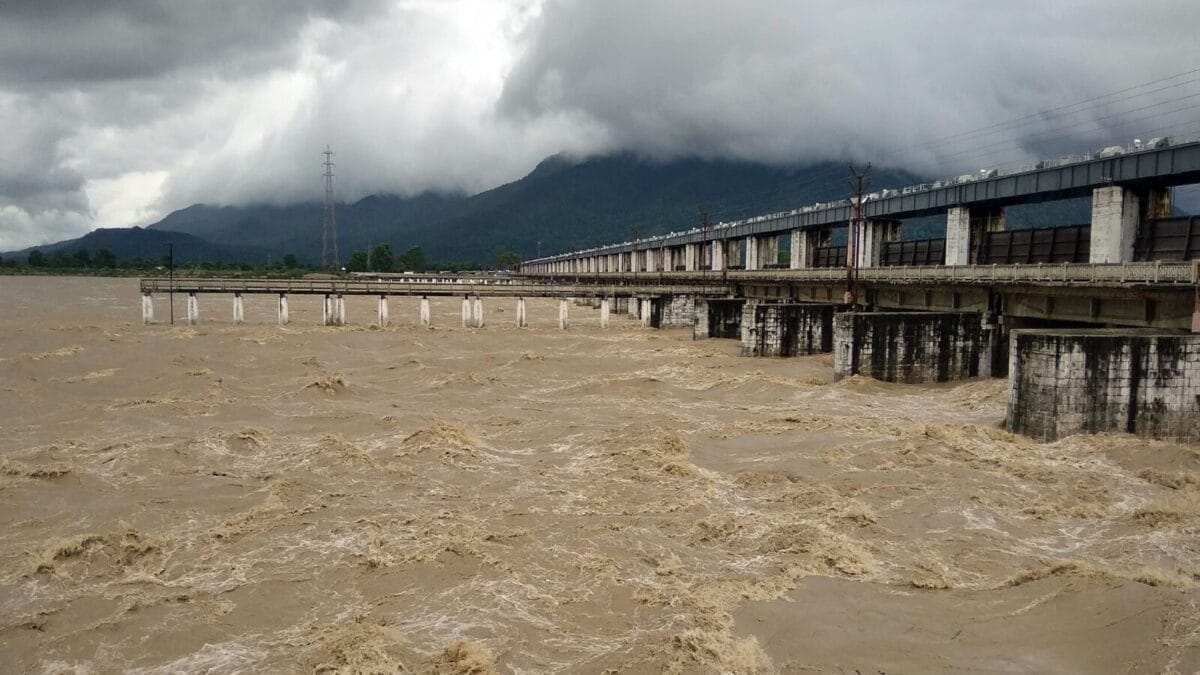
A very large flood hit parts of Nepal near the Tibet border.
The flood sent water and debris into rivers that eventually flow toward India.
Bihar and Uttar Pradesh were warned because the Narayani River becomes the Gandak River after entering India.
The Gandak’s water level later dropped quickly.
Its flow at the Valmikinagar barrage fell to about 81,000 cusecs.
This means the immediate danger of flooding across the border became smaller for now.
However, officials are still watching the rivers, bridges, embankments and low-lying areas.
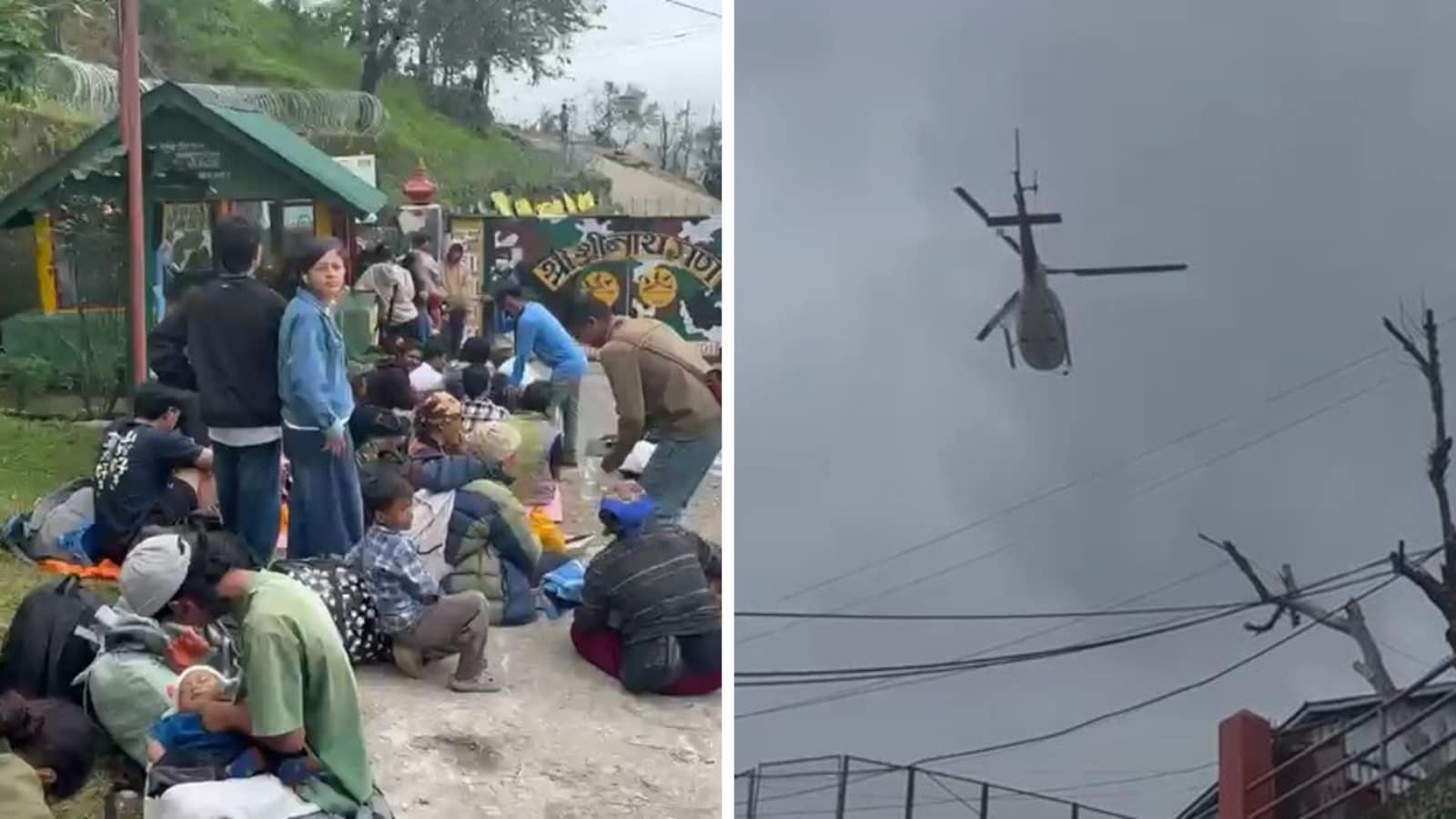
The Nepal disaster remains a serious emergency, with many people dead or missing.
Experts and authorities have suggested that an ice-and-rock avalanche, landslide, glacial lake outburst flood or permafrost collapse may have triggered the flooding.

Gandak River levels in Bihar fell rapidly, with barrage discharge dropping to about 81,000 cusecs.
The easing reduced the immediate flood threat to Bihar and eastern Uttar Pradesh communities.
Water from Nepal’s Trishuli River flowed through the Narayani, reducing pressure on the Gandak system.
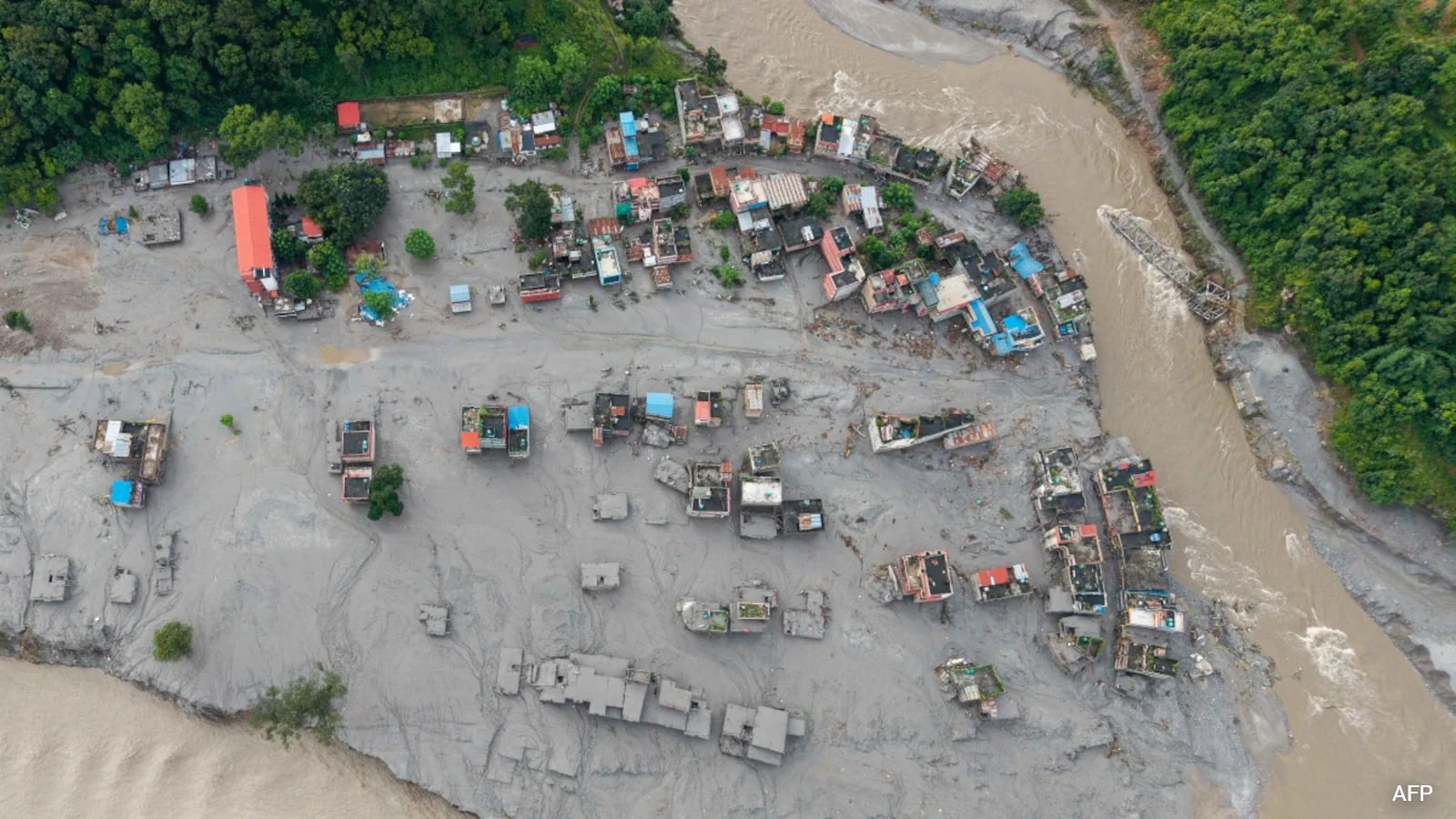
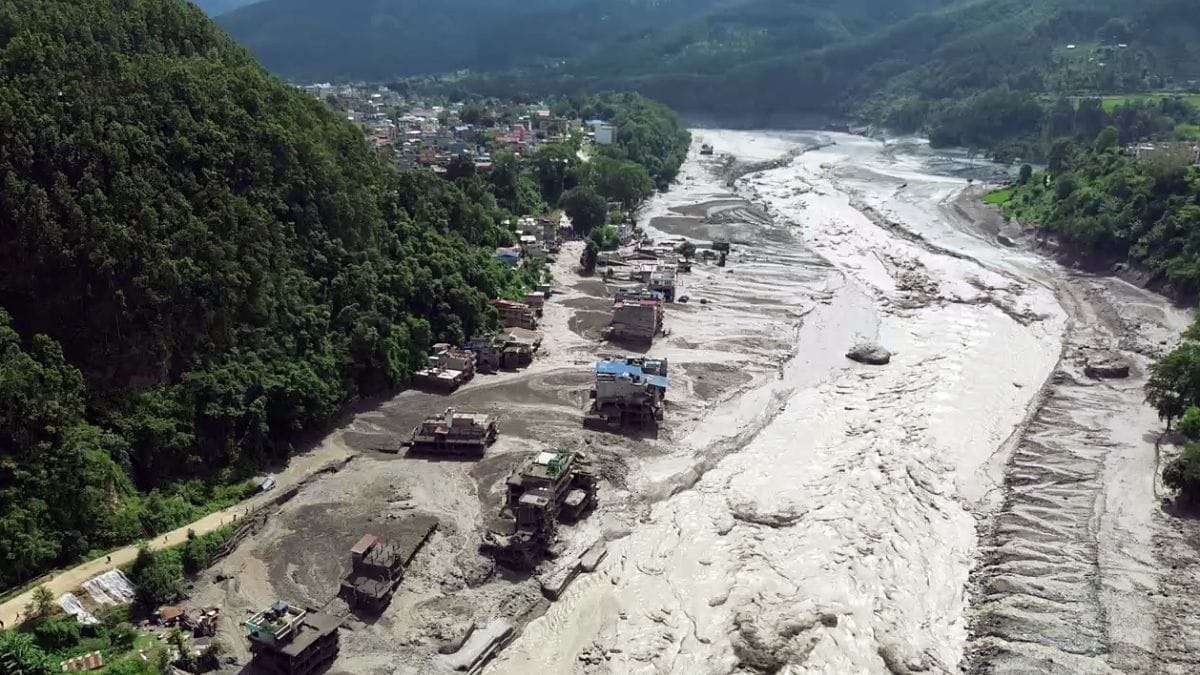
The alert followed a catastrophic flash flood near Nepal’s border with Tibet that destroyed homes, roads, bridges and hydropower infrastructure.
At least 157 people were confirmed dead in Nepal, while hundreds, including Indian nationals, remained missing.
- Who
- Communities and authorities in Nepal, Bihar and eastern Uttar Pradesh were affected; Indian nationals were among those reported missing.
- What
- Water levels in the Gandak River fell, easing the immediate flood threat from Nepal into Bihar and Uttar Pradesh.
- Where
- The disaster occurred in Nepal near the border with Tibet; downstream concerns centered on the Gandak Barrage at Valmikinagar in West Champaran, Bihar.
- When
- The easing was reported on August 27, 2026, after a catastrophic flash flood struck Nepal on Wednesday.
- Why
- The threat eased after water from Nepal’s Trishuli River moved downstream through the Narayani River, reducing pressure on the Gandak system.
Key facts
- Gandak discharge
- About 81,000 cusecs at the Valmikinagar Gandak Barrage.
- Affected Indian areas
- Bihar and eastern Uttar Pradesh were placed on high alert.
- Nepal death toll
- At least 157 people were confirmed dead.
- Missing people
- Hundreds remained missing, including several Indian nationals, pilgrims and tourists.
- Key river route
- The Bhote Koshi feeds the Trishuli; the Trishuli meets the Kali Gandaki to form the Narayani, which becomes the Gandak in India.
- Potential causes
- The flood was believed to involve an ice-and-rock avalanche or landslide; other assessments cited a glacial lake outburst flood or permafrost collapse.
- Monitoring
- Authorities were expected to continue watching river levels, embankments, low-lying areas, bridges and other vulnerable locations.
Sources
Related news

Nepal Flash Flood Prompts High Alerts Across Bihar, Uttar Pradesh
Nepal Floods Raise Gandak River Risk Across India

Nepal Flash Flood Raises Concern as Bihar Monitors Gandak River
Nepal Deluge Raises Flood Risk Across Bihar and Uttar Pradesh
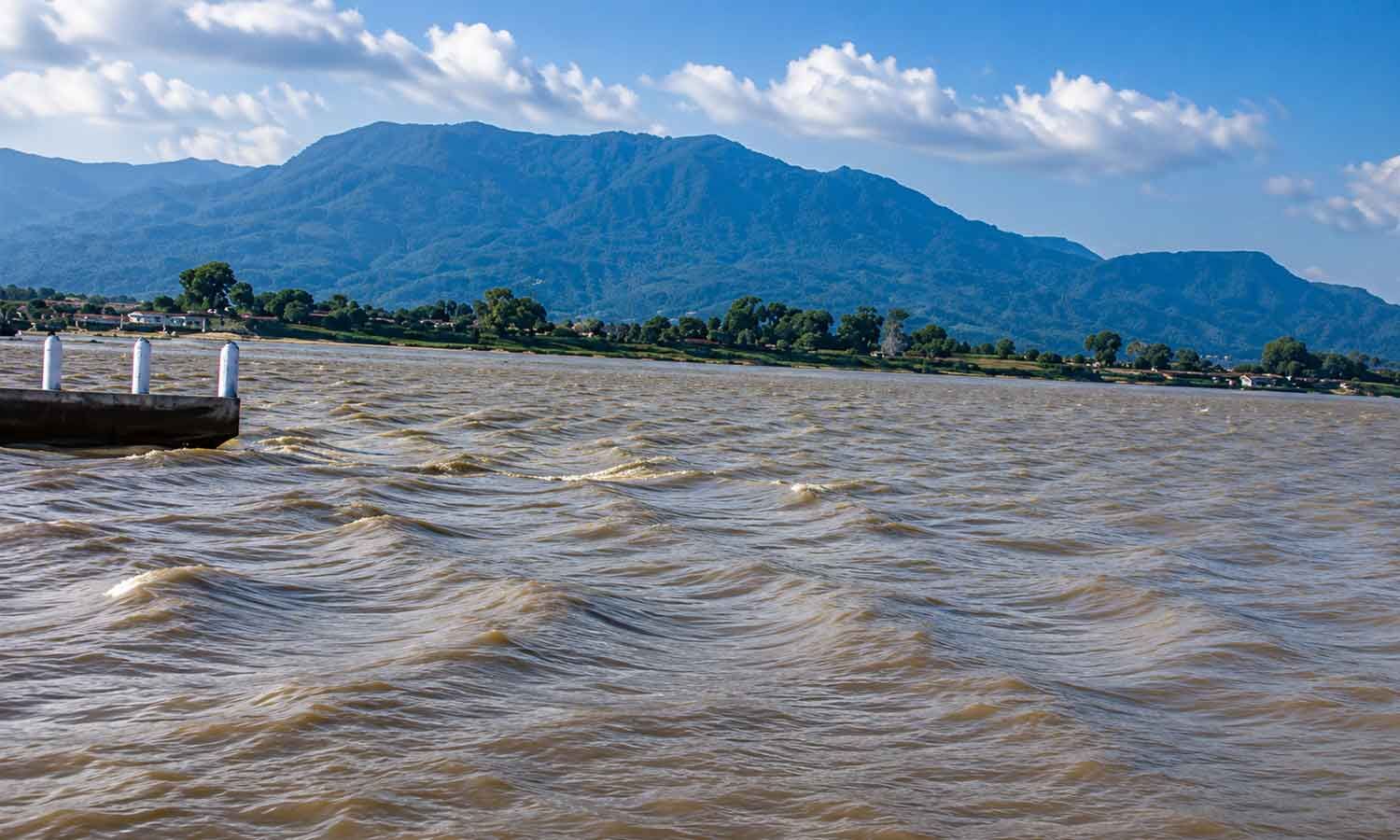
Bihar Flood Threat Grows as Rivers Swell After Nepal Floods
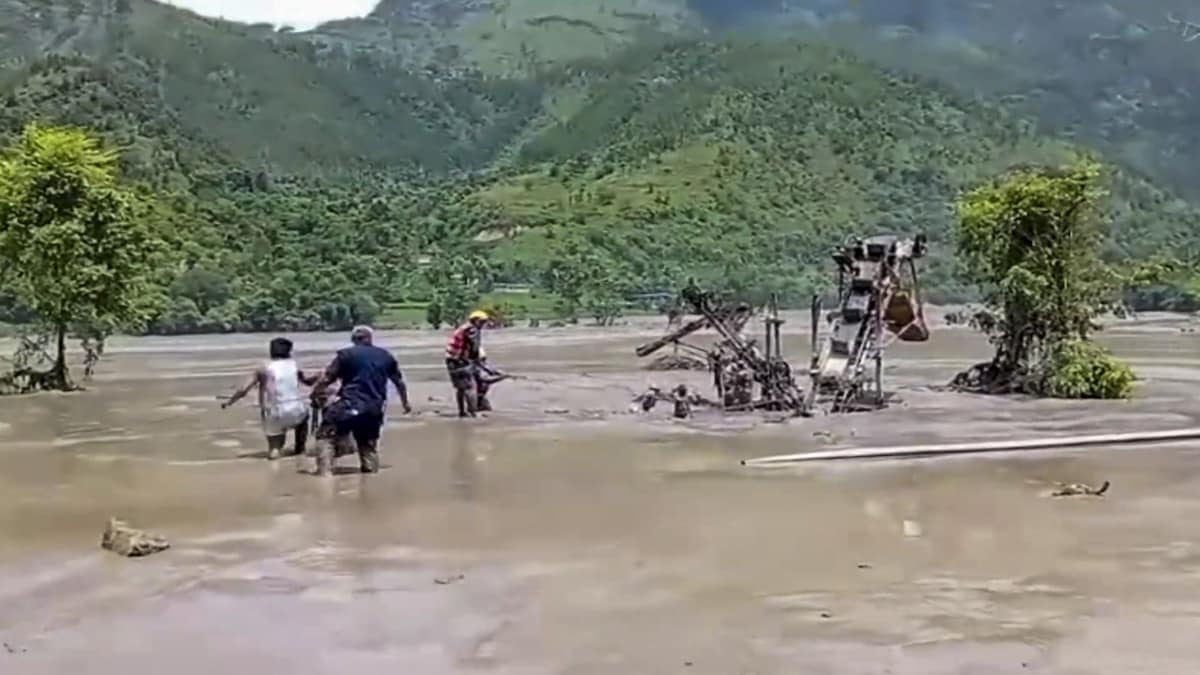
UP Villages Face Flood Alert as Nepal Rains Swell Gandak

Nepal Thanks India as Glacial Disaster Rescue Efforts Continue
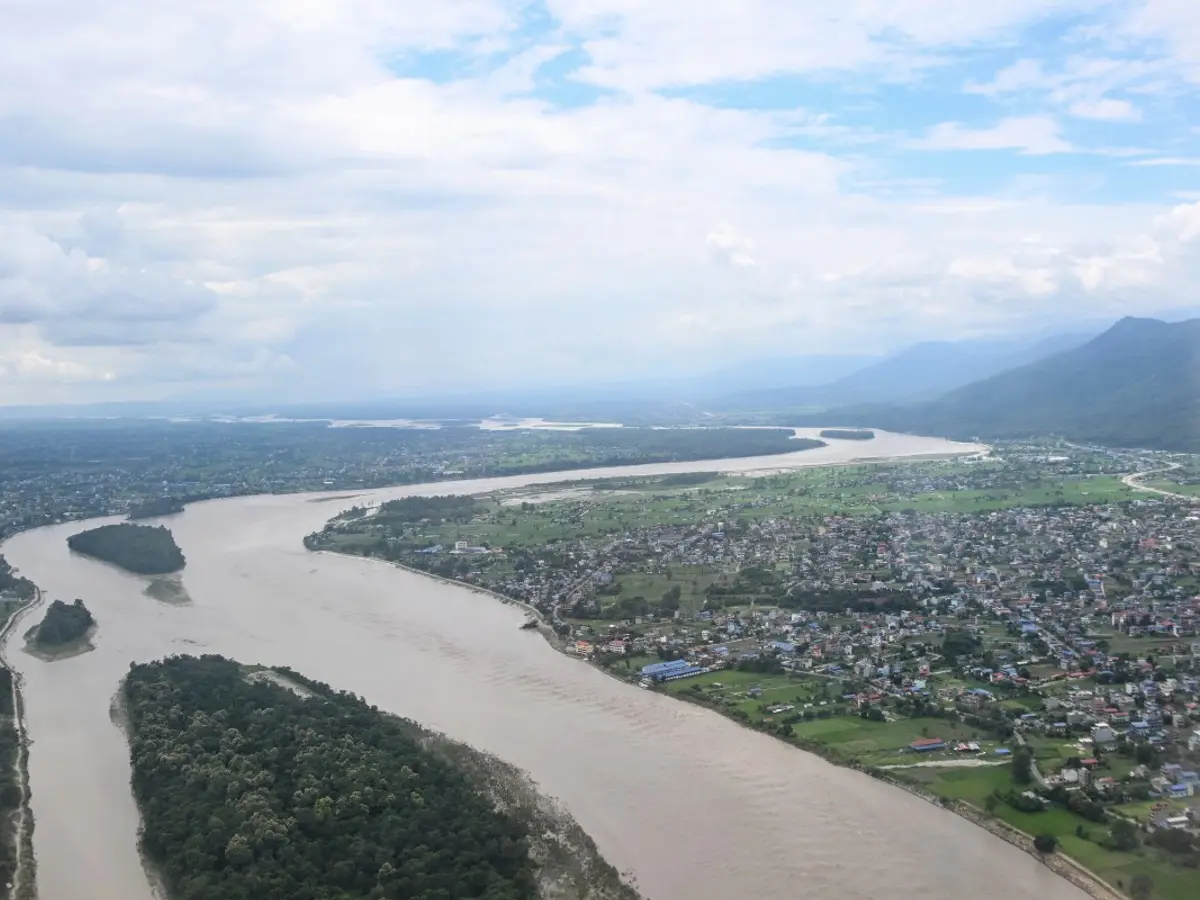
Nepal Warns of Heavy Rain After Deadly Floods
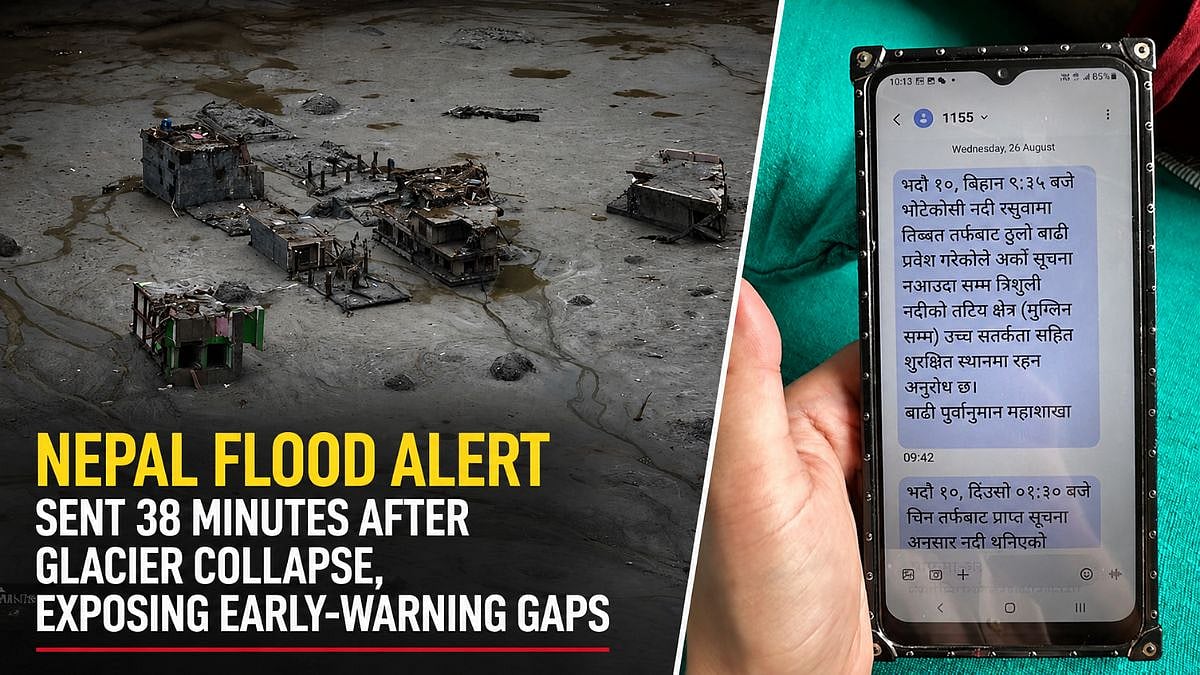
Nepal Flood Exposes Delayed Alerts and Cross-Border Warning Gaps

Bhotekoshi Flood Crisis: Nepal PM Shah Calls for Courage

Nepal PM Thanks India, China Amid Climate Compensation Demand