3 weeks ago
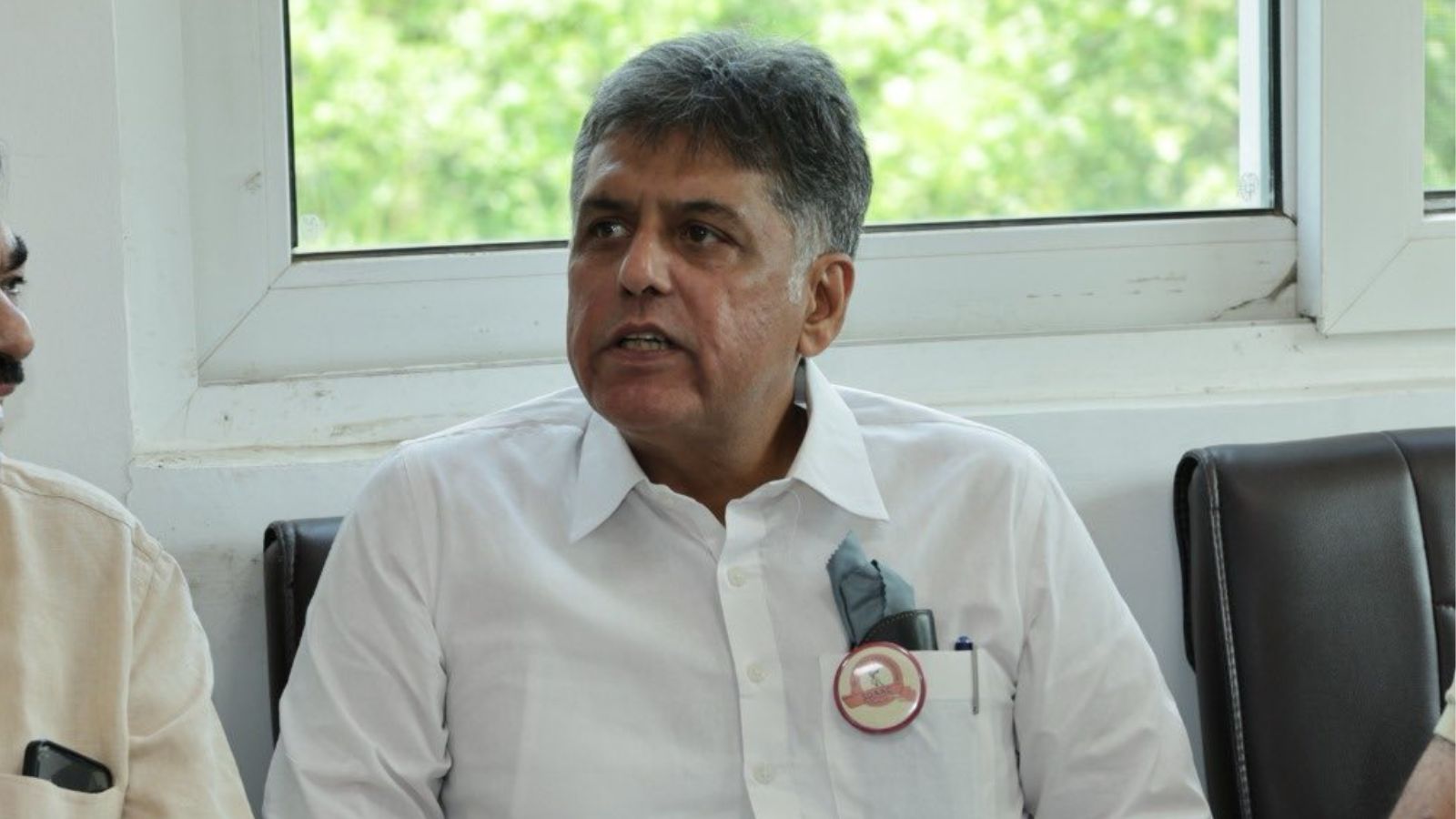
Punjab debt servicing over 23% of revenues, says Manish Tewari

Punjab is a state in India that borrows money, a bit like using a credit card.
Paying back borrowed money costs a lot of the state's earnings.
Manish Tewari, a leader in the Congress party, says that for every one rupee Punjab earns, 23 paise must go just to pay off its loans.
That leaves very little money for important things like new roads, schools and hospitals.
He says only about 5.6 percent of the money is left for such projects.
He also explains that the debt grew bigger partly because of COVID-19, a sick time when the government had to spend a lot.
Another leader, Kewal Singh Dhillon, says the state government promised its workers things it did not deliver.
Because of that, many government workers went on strike.
Their strikes made it hard for hospitals, schools and other public services to work properly.

Congress MP Manish Tewari said Punjab's debt servicing — interest plus principal repayment — is about Rs 42,481 crore, or more than 23% of the state's revenues.
Tewari said revenue expenditure minus debt servicing stands at 71.4%, leaving only about 5.6% for capital expenditure, and questioned whether the model is sustainable.
He noted the Union government's fiscal deficit as a share of GDP rose from 4.6% to 9.2% between FY 2019-20 and 2022-23, partly due to COVID-19.
Punjab's debt-to-GSDP rose from 36.2% in 2019-20 to 41.3%, later moderating to 39.9% in 2024-25, according to Tewari.
BJP state president Kewal Singh Dhillon alleged an 'administrative emergency', accusing the AAP government of failing to honour financial commitments to employees, whose strikes have disrupted healthcare, education and power services.
- Who
- Congress MP Manish Tewari, BJP state president Kewal Singh Dhillon, and the AAP-led Punjab government
- What
- Tewari flagged that over 23% of Punjab's revenues go to debt servicing with only 5.6% left for capital expenditure; Dhillon alleged an 'administrative emergency' over unfulfilled commitments to government employees.
- Where
- Chandigarh, Punjab, India
- When
- Thursday (specific date not provided in the article)
- Why
- Concerns over the sustainability of Punjab's fiscal model and disruptions caused by strikes over unpaid financial commitments to employees.
Congress criticism (Manish Tewari)
BJP criticism (Kewal Singh Dhillon)
Root cause of Punjab's financial stress
Congress criticism (Manish Tewari)
Tewari notes COVID-19 played a role, with Punjab's debt-to-GSDP rising from 36.2% in 2019-20 to 41.3% during the pandemic and the Union fiscal deficit climbing from 4.6% to 9.2% of GDP.
BJP criticism (Kewal Singh Dhillon)
Dhillon blames the AAP government's failure to fulfil financial commitments to government employees, alleging the state faces an 'administrative emergency' with essential services disrupted.
Fiscal sustainability of the state
Congress criticism (Manish Tewari)
Tewari calls the model unsustainable, with over 23% of revenues consumed by debt servicing and only 5.6% left for capital expenditure.
BJP criticism (Kewal Singh Dhillon)
Dhillon focuses on the human impact of broken promises, saying employees' strikes have pushed the administrative machinery toward paralysis and disrupted routine government work.
Key facts
- Debt servicing cost
- About Rs 42,481 crore (interest plus principal repayment)
- Share of revenues to debt servicing
- More than 23%
- Revenue expenditure (excl. debt servicing)
- 71.4% of revenues
- Share left for capital expenditure
- 5.6%
- Punjab debt-to-GSDP (2019-20)
- 36.2%
- Punjab debt-to-GSDP (2024-25)
- 39.9%
- Union fiscal deficit as % of GDP (FY2019-20 to FY2022-23)
- Rose from 4.6% to 9.2%
- Speaker
- Manish Tewari, three-time MP from Chandigarh and former Union Minister for Information and Broadcasting
Quotes

Manish Tewari
Congress MP and former Union Minister of Information and Broadcasting
“"It means for every one rupee of revenue generation by Punjab 23 paisa go towards only debt servicing -- the revenue expenditure minus debt servicing is at 71.4 per cent"”
 thehansindia.com
Sources
Related news
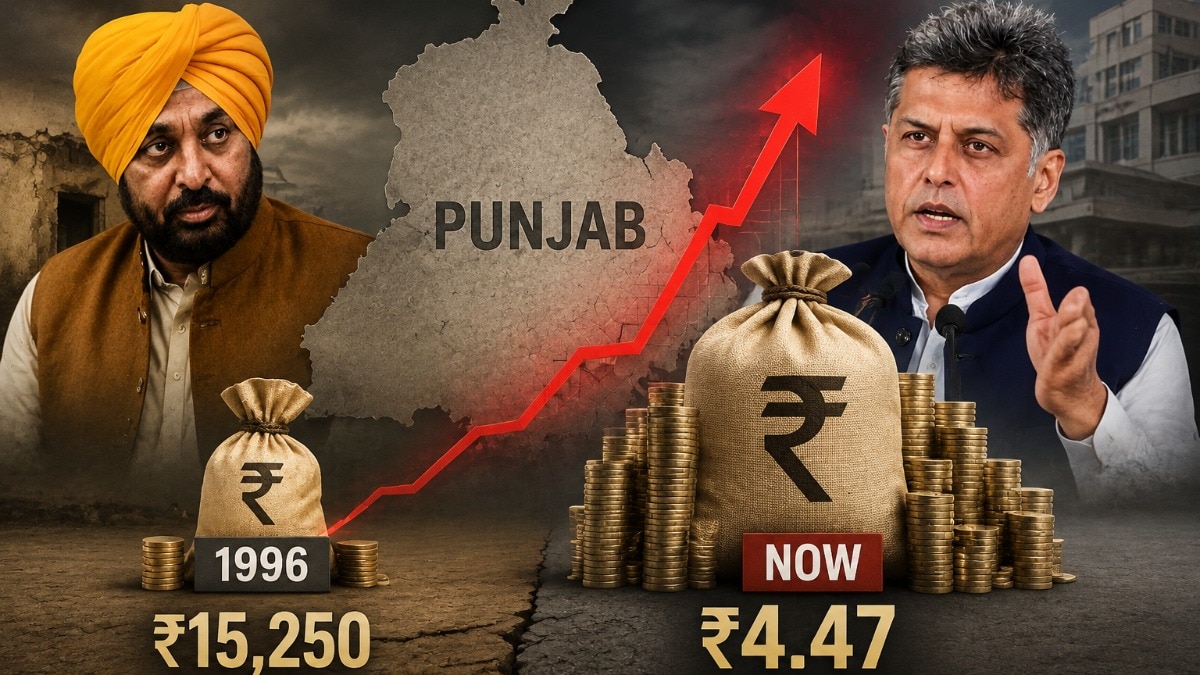
Punjab's Debt Balloons From ₹15,250 Crore to ₹4.47 Lakh Crore

Punjab BJP attacks AAP over rising debt and mismanagement
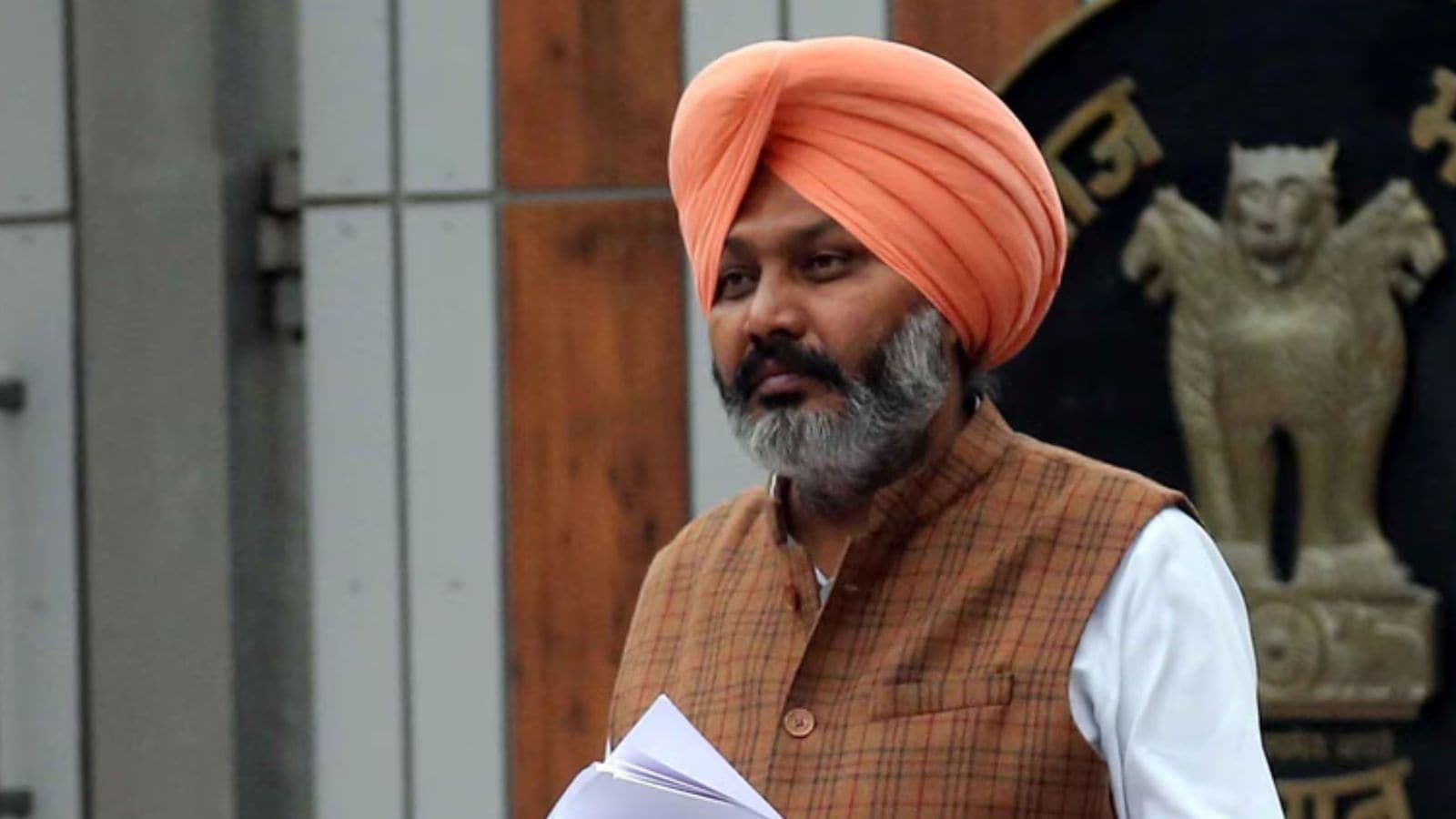
Why Punjab Finance Minister Harpal Singh Cheema Faces Employee Protests

Punjab inherited Rs 14,191 crore pay arrears; ₹6,000 crore paid
Madhya Pradesh Uses 30% of Fresh Borrowing on Old Debt

Congress MP Warns of Robot PLA as BJP Responds

Sugar Prices Rise Amid Production Concerns and Political Clash

Pakistan’s New Gulf Alliance Revives Questions About Old Alignments
Derek O'Brien alleges censorship as 200-plus Parliament questions disallowed
Centre Bars States From Levying Taxes on Mineral Rights