3 weeks ago
Marine fossils on Everest reignite Biblical flood, Noah's Ark debate
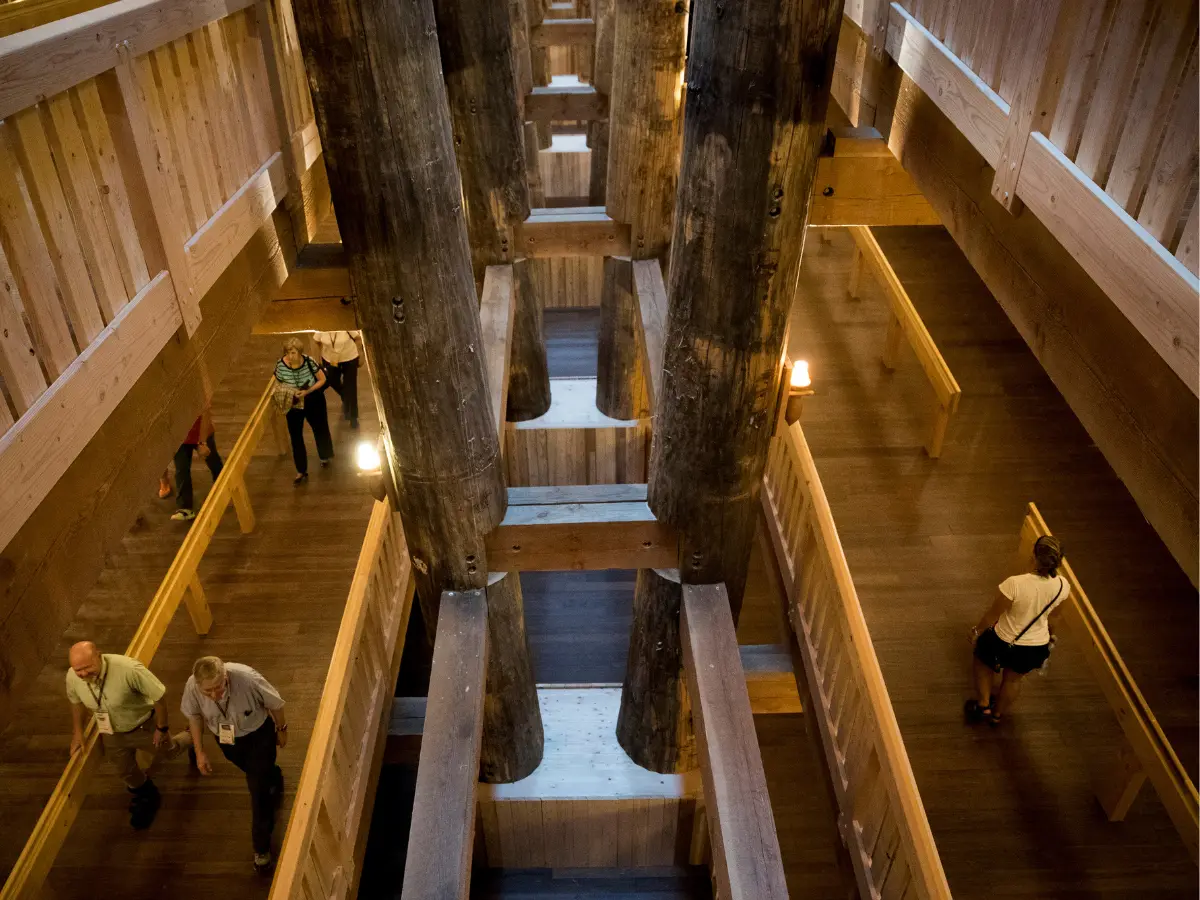
Long, long ago, the highest mountain on Earth was at the bottom of an ocean.
Scientists found the remains of sea creatures, like mussels, in rocks on Mount Everest.
These remains are called fossils, and they show the mountain was once underwater.
The Himalayas used to be part of a warm, flat tropical seabed.
Huge moving pieces of the Earth, called tectonic plates, smashed into each other.
That slowly pushed the seabed upward, and mountains formed about 55 million years ago.
Some people on the internet say the fossils prove a giant flood from the Bible really happened.
The Bible says Noah's flood covered the highest mountains about 4,374 years ago.
Scientists explain the fossils with oceans and moving plates, not a flood.
The same rocks tell two very different stories to different people.

A 2005 study by the International Union of Geological Sciences found fossilised remains of ancient marine creatures in rocks atop Mount Everest.
The Himalayas were part of an ancient tropical seabed 450 million years ago, and colliding tectonic plates pushed the land upward nearly 55 million years ago.
Viral social media posts, including one by right-wing Newsmax host David J. Harris on X, link the fossils to the Biblical Great Flood and Noah's Ark.
The Book of Genesis says Noah built an ark to save two of every species and that waters covered 'all the high mountains under the whole heaven.'
The Bible dates Noah's flood to 2348 BCE, about 4,374 years ago, while the Himalayas are estimated to be 40 to 50 million years old.
- Who
- David J. Harris, right-wing Newsmax host, and social media users, alongside scientists and the International Union of Geological Sciences, which published the 2005 study.
- What
- A viral post linking the discovery of marine fossils on the Himalayas to the Biblical Great Flood and Noah's Ark.
- Where
- Mount Everest and the Himalayas.
- When
- A 2005 finding recently revived in viral social media posts; the Bible dates Noah's flood to 2348 BCE.
- Why
- Social media users claim the marine fossils prove the Biblical flood covered the world's highest mountains, while experts say the fossils come from an ancient seabed pushed up by colliding tectonic plates.
Scientific explanation
Biblical flood interpretation
Origin of the marine fossils
Scientific explanation
The fossils are remains of creatures from an ancient tropical seabed; the Himalayas were pushed upward when tectonic plates collided nearly 55 million years ago.
Biblical flood interpretation
The fossils prove the Great Flood covered the highest mountains on Earth, as described in the Book of Genesis.
Timeline of the flood
Scientific explanation
The Himalayas are 40 to 50 million years old, so the seabed and its creatures existed long before the biblical flood date of 2348 BCE.
Biblical flood interpretation
The flood occurred in 2348 BCE, about 4,374 years ago, and 'the waters prevailed so mightily on the earth that all the high mountains under the whole heaven were covered.'
Key facts
- Study year
- 2005
- Study body
- International Union of Geological Sciences
- Fossils found
- Fossilised remains of ancient marine creatures, including mussels
- Ancient seabed
- Himalayas were under a tropical seabed 450 million years ago
- Mountain formation
- Tectonic plates collided and pushed land upward nearly 55 million years ago
- Himalayan age estimate
- 40 to 50 million years old
- Biblical flood date
- 2348 BCE (about 4,374 years ago)
- High water mark claim
- Mussels found at about 13,000 feet in the Himalayas
Quotes
David J. Harris
Right‑wing news host for Newsmax
“Mount Everest contains marine rocks, proving that the highest point on Earth was once at the bottom of the ocean — doesn’t the Bible mention something about that?”
 wionews.com
Social media user
Anonymous user commenting on the post
“In the Himalayas at about 13,000 feet they found mussels, which only grow in shallow seas near shores, meaning that was the high water mark.”
wionews.com
Sources
Related news
Fact-Check: Viral 22-Foot Shaligram Was Not Recently Discovered
Nepal Flash Floods Spur Comparisons With Hollywood’s 2012
Images Reveal Glacier Collapse Behind Nepal’s Deadly Flood
Nepal Flash Floods Evoke Hollywood’s 2012 Disaster Scene

Nepal Floods Spark Debate Over Movie 2012 Prediction

Nepal Deluge Traced to Glacier Collapse Near Tibet
Nepal Seeks Climate Reparations While Facing Its Own Responsibility

Nepal Calls Climate Justice A Top National Priority

Everest Mountaineer Dhakpa Tenzin Dies on China Border Duty

Indian Mother Shivani Mehrotra Scales Mount Elbrus, Eyes Everest

Lahu Ugade Wins India’s Naked and Afraid Survival Challenge