

6 days ago
El Niño Expected to Peak in November or December
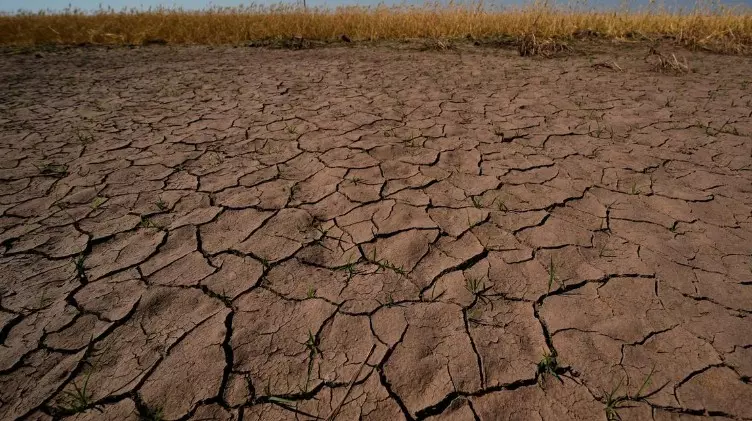
El Niño is a change in ocean temperatures in the Pacific Ocean.
This year, the water is much warmer than usual in several Pacific regions.
The change began developing in the middle of May.
Scientists expect it to reach its strongest point near the end of November or in December.
They do not yet know how long it will continue.
El Niño is already affecting rainfall.
If it lasts into the first half of next year, India’s southwest monsoon could be affected.
After El Niño fades, a La Niña phase may begin and could be more favorable for the monsoon.

The central Pacific El Niño began forming in mid-May and is expected to peak in late November or December.
It could become the strongest El Niño in recorded history, although its eventual strength and duration remain uncertain.
The phenomenon is already severely affecting rainfall, with concerns about next year’s southwest monsoon.
Meteorologists said El Niño could take several months to dissipate after its peak before La Niña begins forming.
NOAA data shows temperatures of +2.9°C in Niño 1+2, +1.7°C in Niño 3, and +1.4°C in Niño 3-4.
- Who
- Meteorologists and the US National Oceanic and Atmospheric Administration are monitoring the El Niño.
- What
- A central Pacific El Niño is strengthening, affecting rainfall and potentially threatening next year’s southwest monsoon.
- Where
- The phenomenon is occurring across the central Pacific Ocean, including the Niño 1+2, Niño 3, and Niño 3-4 regions.
- When
- It began forming in mid-May and is expected to peak toward the end of November or in December.
- Why
- Unusually high Pacific Ocean temperatures are driving the El Niño, which is already severely affecting rainfall.
Key facts
- Formation
- El Niño began forming in the middle of May.
- Expected peak
- Late November or December.
- Duration
- Scientists are uncertain how long it will last and said it could take months to dissipate after December.
- Niño 1+2 temperature
- +2.9°C, according to NOAA data.
- Niño 3 temperature
- +1.7°C, according to NOAA data.
- Niño 3-4 temperature
- +1.4°C, according to NOAA data.
- Monsoon concern
- If El Niño continues into the first half of next year, India’s southwest monsoon could be affected.
Quotes
Senior meteorologist
An unnamed meteorologist commenting on El Nino’s development and expected duration
“It is taking around six months to reach the peak, and it could take months from December onwards to dissipate.”
 deccanchronicle.com
Sources
Related news
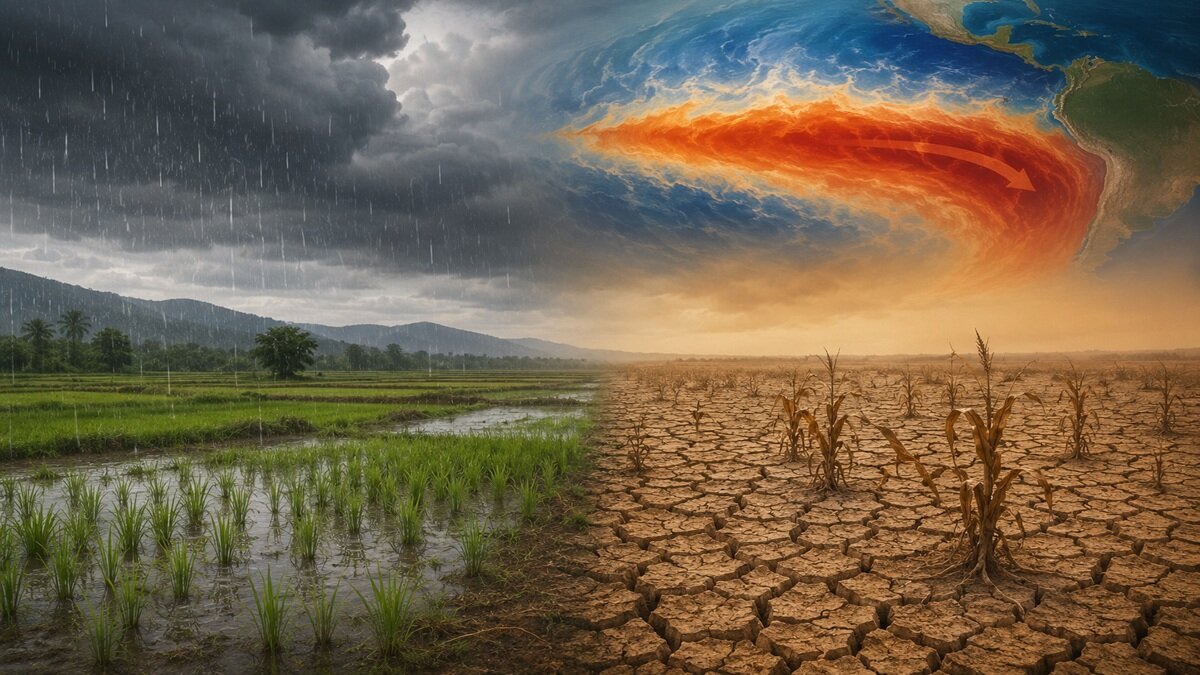
Historic El Niño to develop by year-end, US agency says

Strong El Niño Threatens India’s Monsoon, Raises 2027 Heat Risk
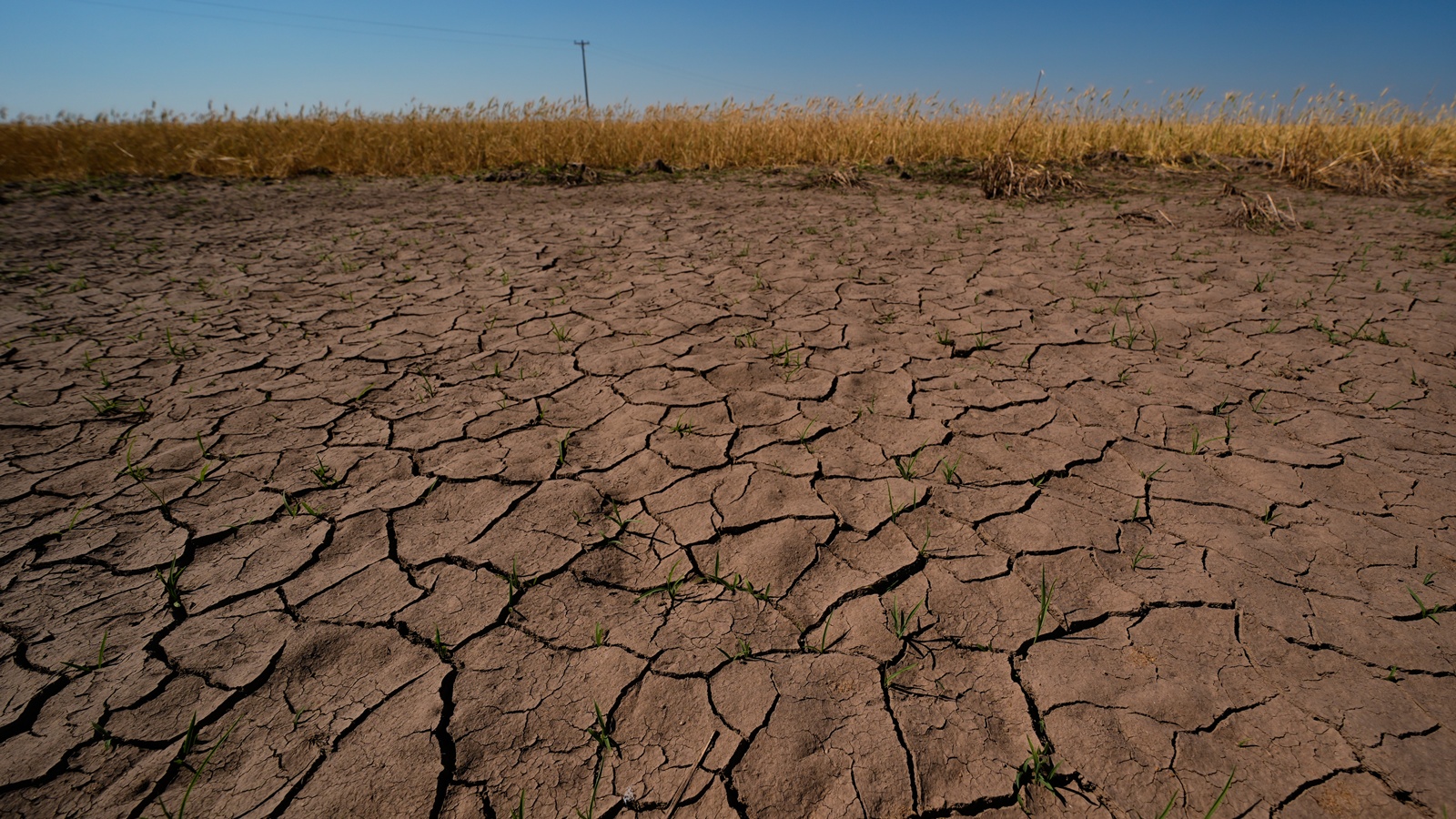
Powerful El Niño Could Make 2027 Hottest Year
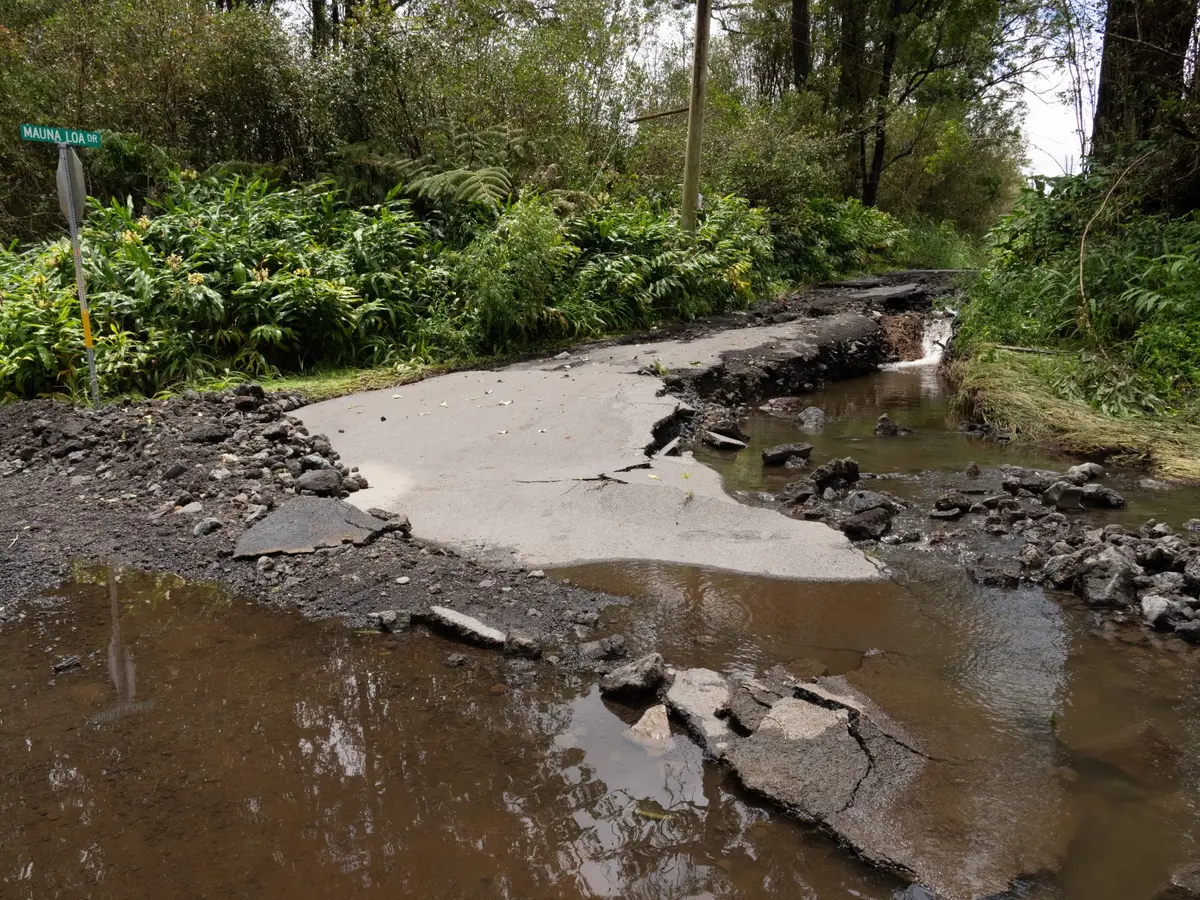
Powerful El Niño Could Make 2027 Hottest Year

Record-Strength El Niño Could Bring Extreme Global Weather
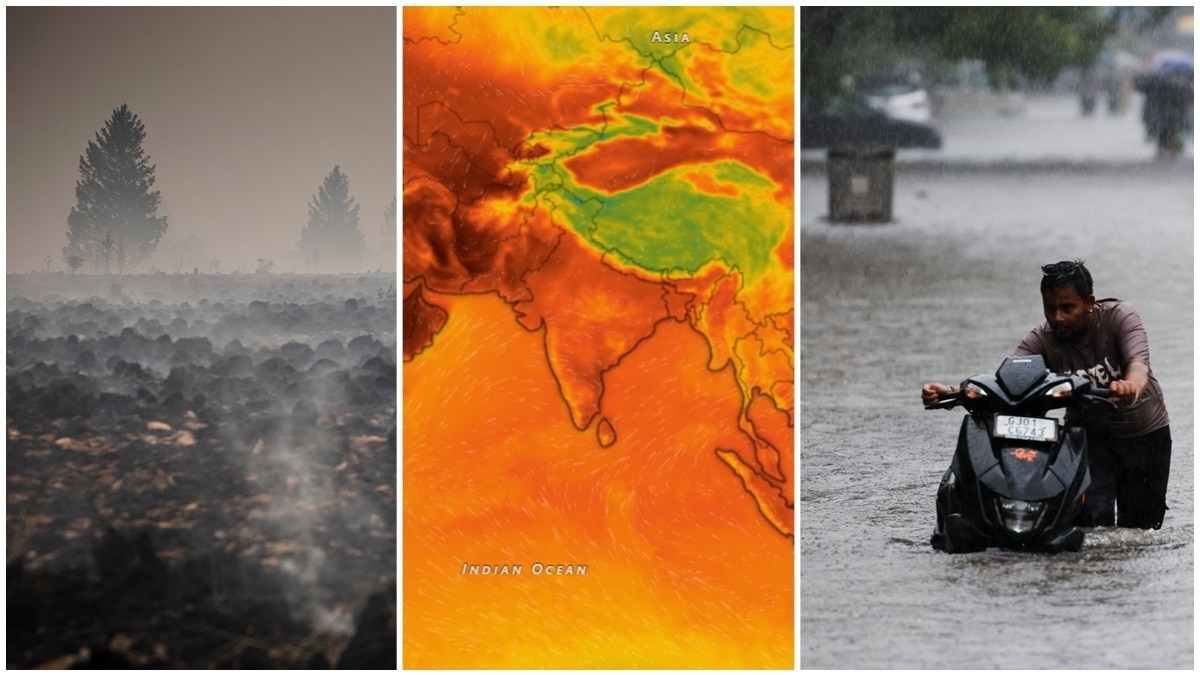
Potential 2026 Super El Niño Could Rewrite Global Weather Records

Selva Brings Contemporary Mexican Dining And Nikkei Flavours To Delhi

Iran Strikes U.S. Bases as Trump Claims Hormuz Control

Goyal Proposes Easier FDI Rules and Higher Approval Thresholds

Aura Battles Turn Confidence and Charisma Into Viral Competition
