3 weeks ago
Four Indian spacetech startups drive transformation of private spaceflight
Rockets are giant machines that carry satellites into space, and for many years only governments could build them.
Now, some companies in India are building their own rockets and space technologies.
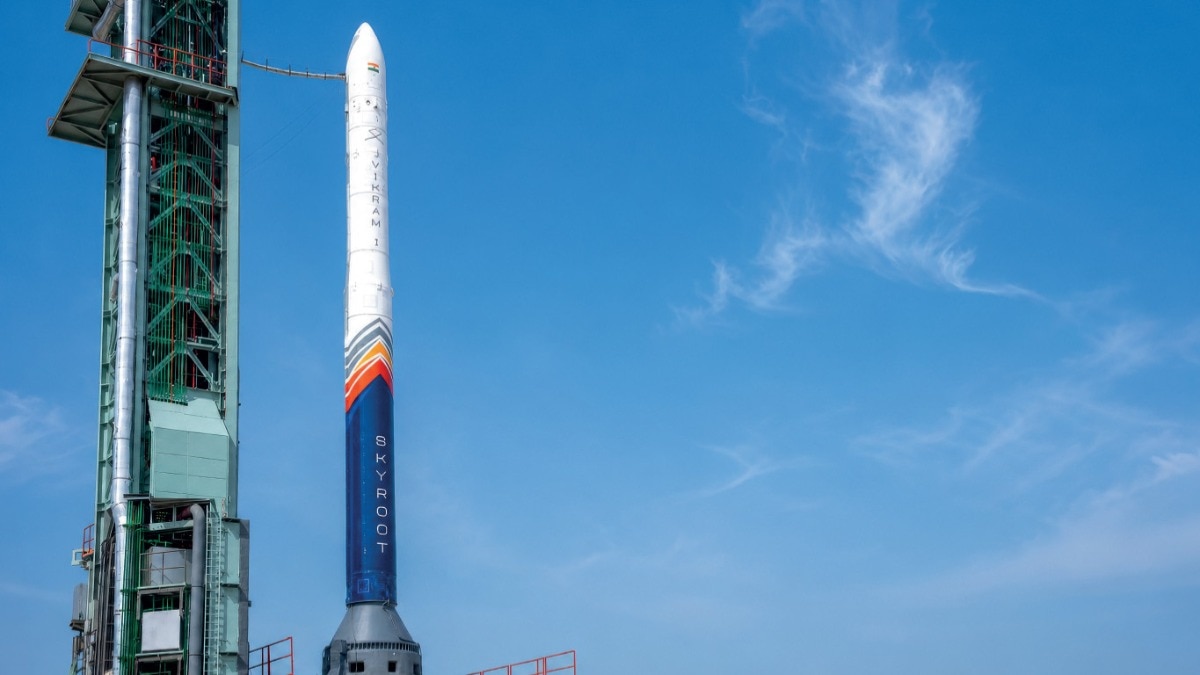
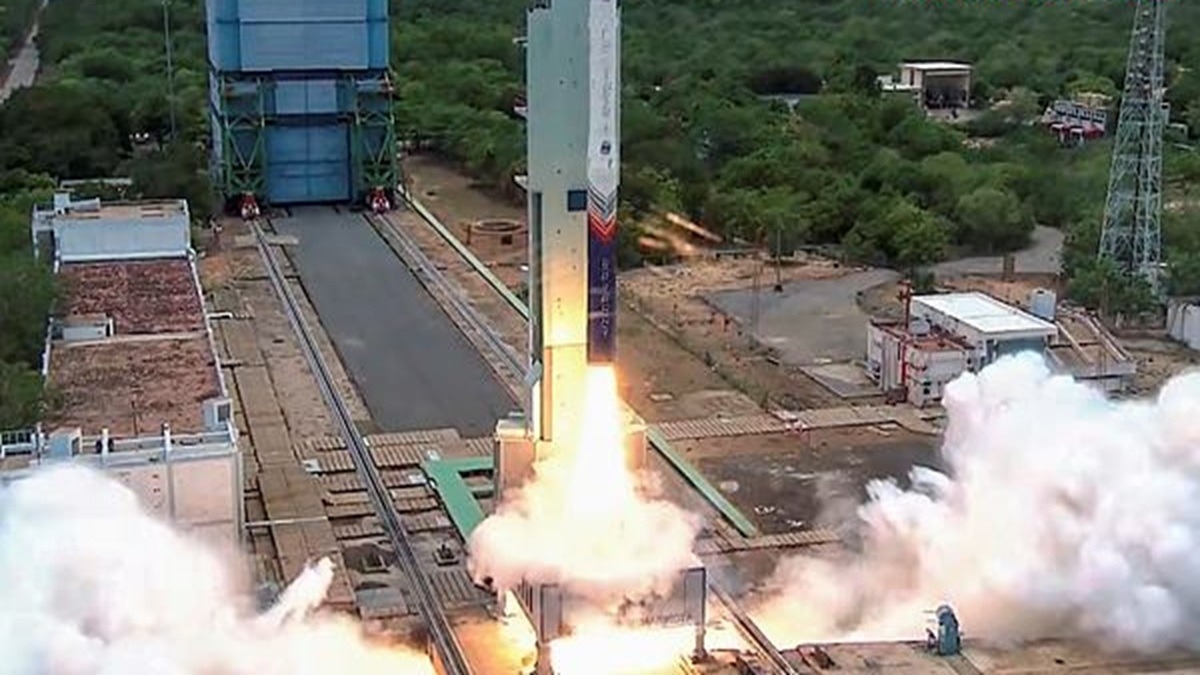
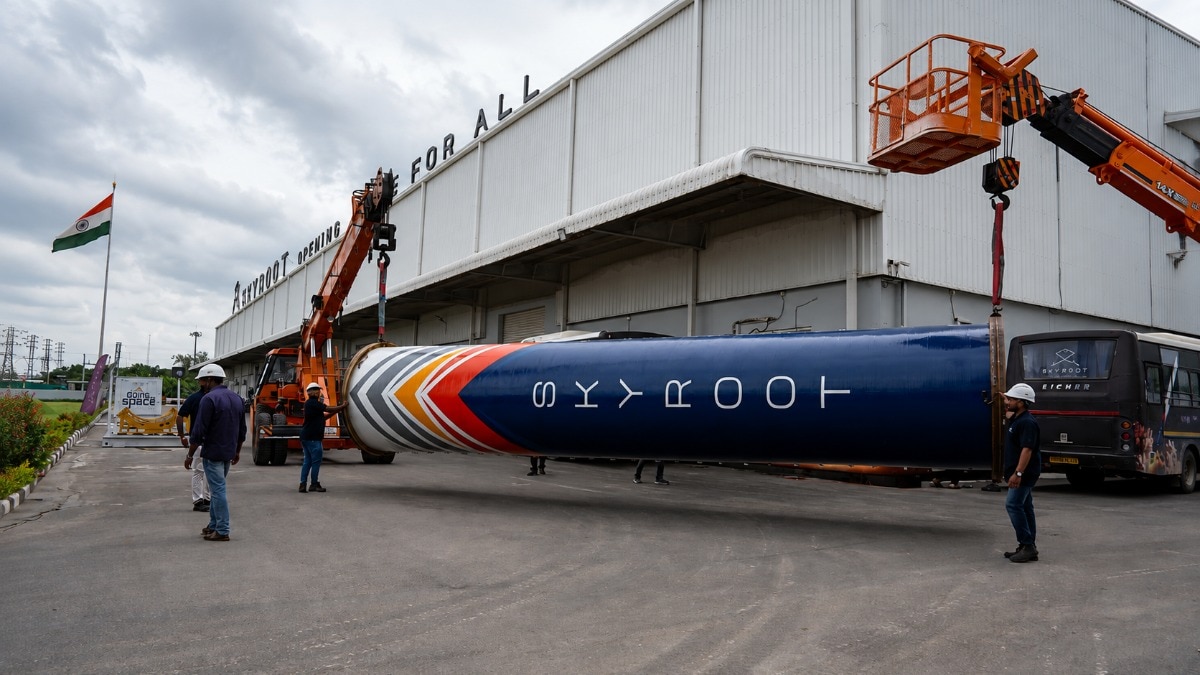
One company, Skyroot, recently launched its new rocket called Vikram-1 from India for the first time.
That launch was a test to collect information from every part of the rocket.
Another company, Agnikul, wants to launch satellites for customers and one day reuse its rockets to save money.
EtherealX is building an even bigger rocket that can carry many satellites at once, like the rockets of a famous company called SpaceX.
Bellatrix makes small engines that help satellites move in space, and its engines use safer, greener fuel.
These companies raised hundreds of millions of dollars to grow their businesses.
They hope space travel will become cheaper and available to more people and countries.
This is a big step for India, because private teams are now helping build the future of space.

Skyroot Aerospace's Vikram-1 on July 18, 2026 became the first orbital-class rocket fully designed and developed by a private Indian player to launch from Indian soil.
Skyroot raised nearly $60 million in a May funding round, becoming India's first spacetech unicorn with a pre-money valuation of $1.1 billion.
Agnikul Cosmos plans its first commercial orbital mission as early as next year, attempting first-stage recovery as a first step toward reusable launch vehicles.
EtherealX is building a fully reusable medium-lift rocket with 20-tonne capacity in the Falcon 9 class, targeting a first launch by February 2028.
Bellatrix supplies compact, green propulsion systems for small satellites and earns most of its revenue from exports.
- Who
- Pawan Kumar Chandana (Skyroot), Srinath Ravichandran (Agnikul Cosmos), Manu J. Nair (EtherealX), and Rohan M. Ganapathy with Yashas Karanam (Bellatrix), founders and CEOs of four Indian private space startups.
- What
- A wave of Indian private startups building orbital-class rockets, reusable launch vehicles, and satellite propulsion systems for commercial space services.
- Where
- India, with operations in Hyderabad, Bengaluru and Chennai, and launches from Sriharikota.
- When
- Skyroot's Vikram-1 test flight occurred on July 18, 2026; the startups have been developing technology since 2011-2018, with commercial missions expected in 2027-2028.
- Why
- To make commercial access to orbit affordable and reliable for small satellites and to build a private launch industry that complements ISRO.
Key facts
- Skyroot launch
- Vikram-1 maiden test flight on July 18, 2026
- Skyroot funding
- Nearly $60 million raised in May; $1.1 billion pre-money valuation (India's first spacetech unicorn)
- Skyroot manufacturing
- Capacity for one Vikram-1 rocket per month across two Hyderabad campuses
- Agnikul funding
- $60 million raised so far
- Agnikul commercial mission
- First commercial orbital mission expected as early as next year
- EtherealX funding
- $20.5 million Series A announced in January 2026
- EtherealX target launch
- First rocket launch by February 2028
- Bellatrix funding
- Approximately $31 million raised; Bengaluru-based
Quotes
Pawan Kumar Chandana
Co-founder and CEO of Skyroot Aerospace
“"It is the biggest step we have taken. In just over four years we have gone from Vikram-S, India’s first private rocket, on a suborbital demonstration, to attempting orbital launch. That is a large leap."”
 businesstoday.in
“"We realized that the single advantage of a small rocket was that it could be launched on demand or frequently. But that advantage was only relevant until reusability was not there in the picture."”
businesstoday.in
Sources
Related news
Amitabh Bachchan Asks Skyroot CEOs Rocket Questions on KBC 18
Skyroot's Vikram-1 Orbital Success Secures Fresh Multi-Launch Deal with HEX20
Strategic funding may propel India's space economy to $100 billion
Skyroot Moves Second Vikram-1 Stage Toward Sriharikota Launch
India registers 440 space startups as private investment surges

DNEG's Global VFX Reach Expands to Indian Epic Ramayana

Trump Celebrates Space Exploration Day, Pledges Moon and Mars Missions
Apollo 11 Moon Landing Anniversary

Apollo Astronauts as Lunar Photographers