

1 week ago
Madhya Pradesh High Court Upholds Partial Mosque Demolition in Ujjain
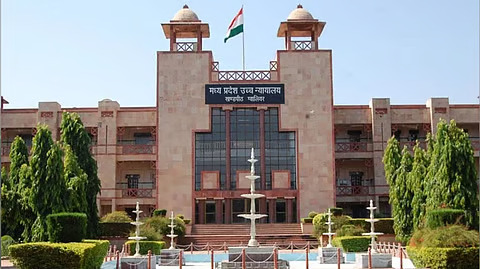
A court in Madhya Pradesh allowed officials to remove parts of a mosque in Ujjain.
The work is connected to a plan to make an important road wider.
Officials said the wider road will help manage very large crowds during Simhastha Kumbh 2028.
They also said it would improve traffic and safety.
The mosque’s petitioners said the building was old and protected by religious and constitutional rights.
The court said the government followed the required legal process.
It also noted that parts of other religious structures had been removed along the same road.
The court therefore found no reason to stop the project.

The Madhya Pradesh High Court dismissed two petitions challenging partial demolition of a mosque in Ujjain.
The demolition was carried out to facilitate widening a road to 15 metres under the Ujjain Development Plan, 2035.
The court said authorities followed statutory procedures, considered objections and acted in the larger public interest.
Officials cited traffic management and public safety needs ahead of Simhastha Kumbh 2028, which is expected to attract crores of devotees.
The petitioners said the mosque was an ancient Waqf property and that its partial demolition violated constitutional and religious rights.
- Who
- The Madhya Pradesh High Court, Ujjain Municipal Corporation, the State government and two groups of mosque petitioners.
- What
- The court upheld action to demolish portions of a mosque for a 15-metre road-widening project.
- Where
- Ujjain, Madhya Pradesh, on the approximately 1.5-kilometre road from Kanthal Chouraha to Gopal Mandir.
- When
- The ruling was issued on Wednesday; the project is being undertaken ahead of Simhastha Kumbh 2028.
- Why
- Authorities cited traffic management, public safety and the expected arrival of crores of devotees.
Mosque Petitioners
Municipal Corporation and State
Constitutional and religious rights
Mosque Petitioners
The petitioners argued that the mosque was an ancient religious site that had existed for generations and that its partial demolition violated rights under Articles 14, 25 and 26 of the Constitution.
Municipal Corporation and State
The authorities and court said the action was lawful, non-arbitrary and not discriminatory merely because the structure was religious.
Need for demolition
Mosque Petitioners
The petitioners challenged notices proposing removal of portions of the mosque, including part of its prayer hall, minaret and Mazhar Chouk Shahi.
Municipal Corporation and State
The Corporation said widening the road was necessary under the Ujjain Development Plan, 2035, to improve traffic movement and prevent congestion during major religious events.
Equal treatment of religious structures
Mosque Petitioners
The petitioners contended that the mosque was being treated differently because it was a religious place.
Municipal Corporation and State
The court noted that portions of other temples and a mosque had also been removed and found no evidence of arbitrary or differential treatment.
Key facts
- Court ruling
- Two petitions challenging the mosque demolition were dismissed.
- Road project
- A road is to be widened to 15 metres under the Ujjain Development Plan, 2035.
- Affected structures
- The petitioners said the action affected part of the prayer hall, a 120-foot-high minaret and the Mazhar Chouk Shahi.
- Property status
- The mosque is registered as Waqf property.
- Upcoming event
- Simhastha Kumbh 2028.
- Road stretch
- Approximately 1.5 kilometres from Kanthal Chouraha to Gopal Mandir.
- Other religious structures
- The court cited portions of 10 temples and one mosque removed along the same road, and said action had been taken against constructions involving about 80 religious places.
- Judge attribution
- The articles differ on the judge’s first name, identifying him as either Sandeep N. Bhatt or Sanjeev N. Bhatt.
Quotes
Madhya Pradesh High Court
The court issuing the ruling on the mosque demolition challenge
“Therefore, it cannot be said that the respondent Corporation is acting in an arbitrary manner or in violation of the Article 14 of the Constitution of India.”
 indianexpress.com
 deccanchronicle.com
“Consequently, no case is made out for interference under Article 226 of the Constitution of India”
deccanchronicle.com
Sources
Related news
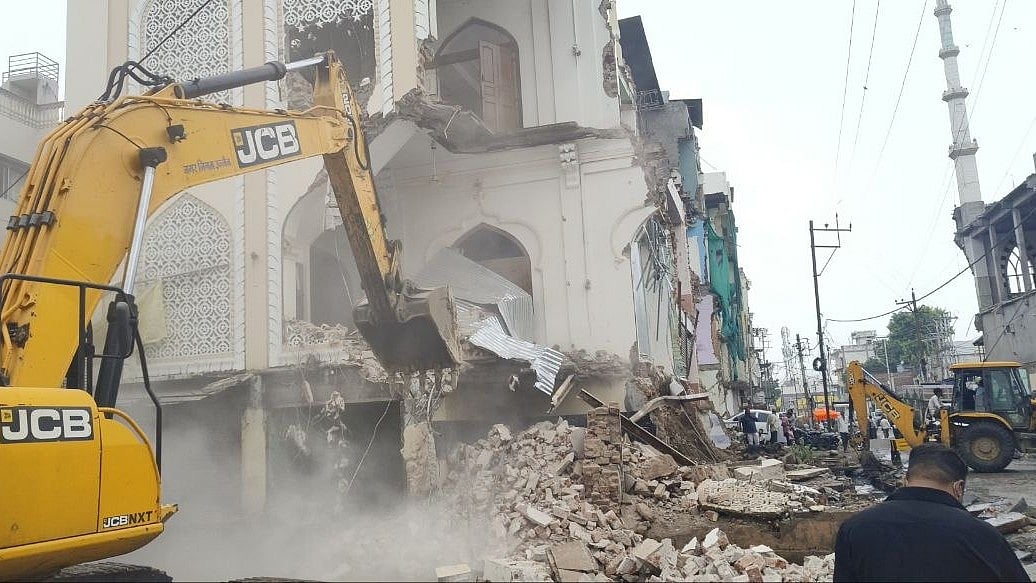
Ujjain Road Widening Halts After Mosque Demolition Protest

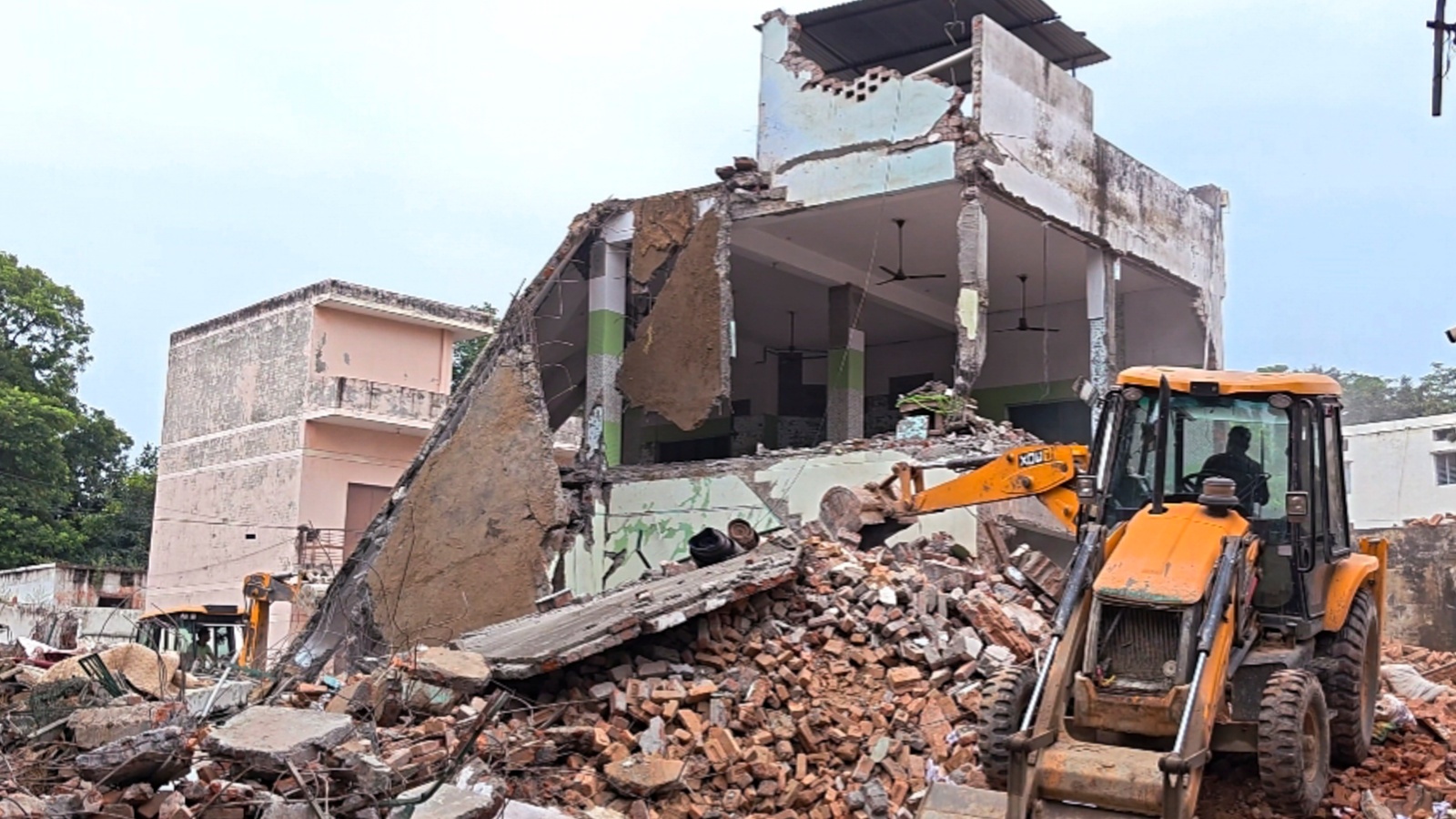
Saharanpur Mosque Demolition Sparks Political Row Over Court Action

Owaisi Condemns Saharanpur Mosque Demolition After Court Orders

Jamiat Ulama-i-Hind to Approach Courts Over Saharanpur Mosque Demolition
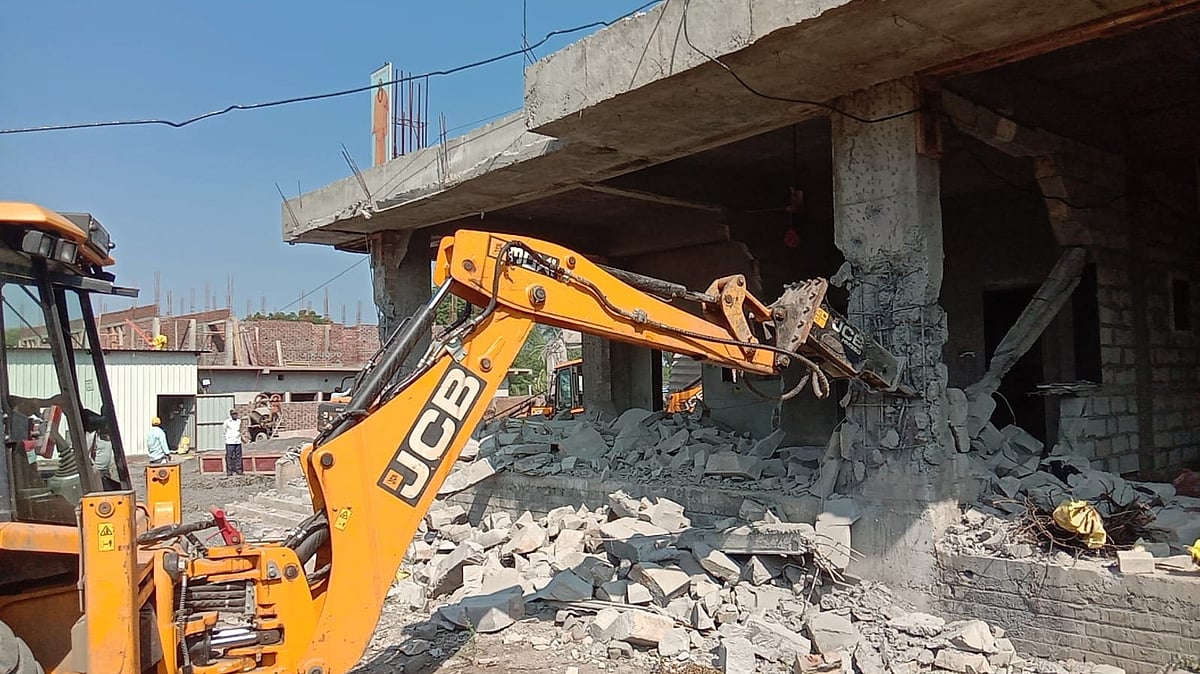
Ujjain Corporation Demolishes Illegal Construction, Plans Road Widening
Saharanpur Mosque Demolished After Court Ruling, Triggering Political Clash
Ujjain Khade Hanuman Idol Relocation Faces Protests, Delay

Bhopal Municipal Corporation Drops to 11th in CM Helpline Rankings

NGT Orders Kshipra Rejuvenation, Stops Untreated Sewage Discharge
