2 hrs ago
Owaisi Condemns Saharanpur Mosque Demolition After Court Ruling

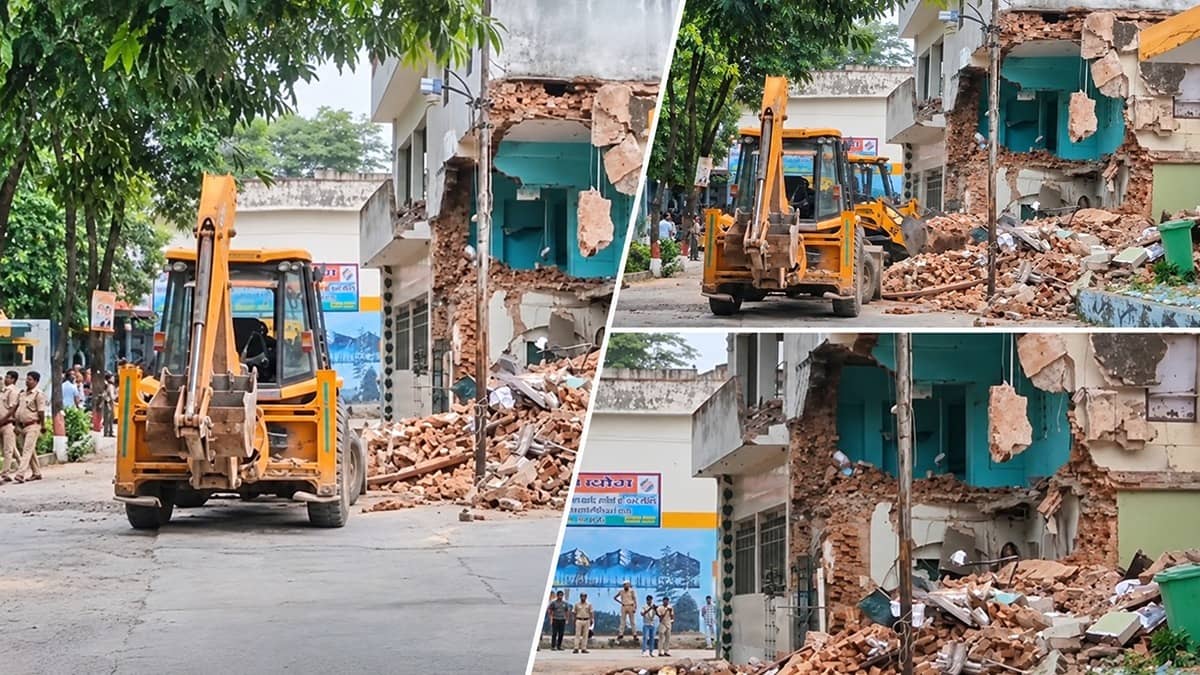
A mosque at a government office complex in Saharanpur was demolished early in the morning.
The demolition followed orders from a magistrate and a later court decision.
Officials said the mosque had been built illegally on government land.
The mosque committee said old records showed it had existed since 1911.
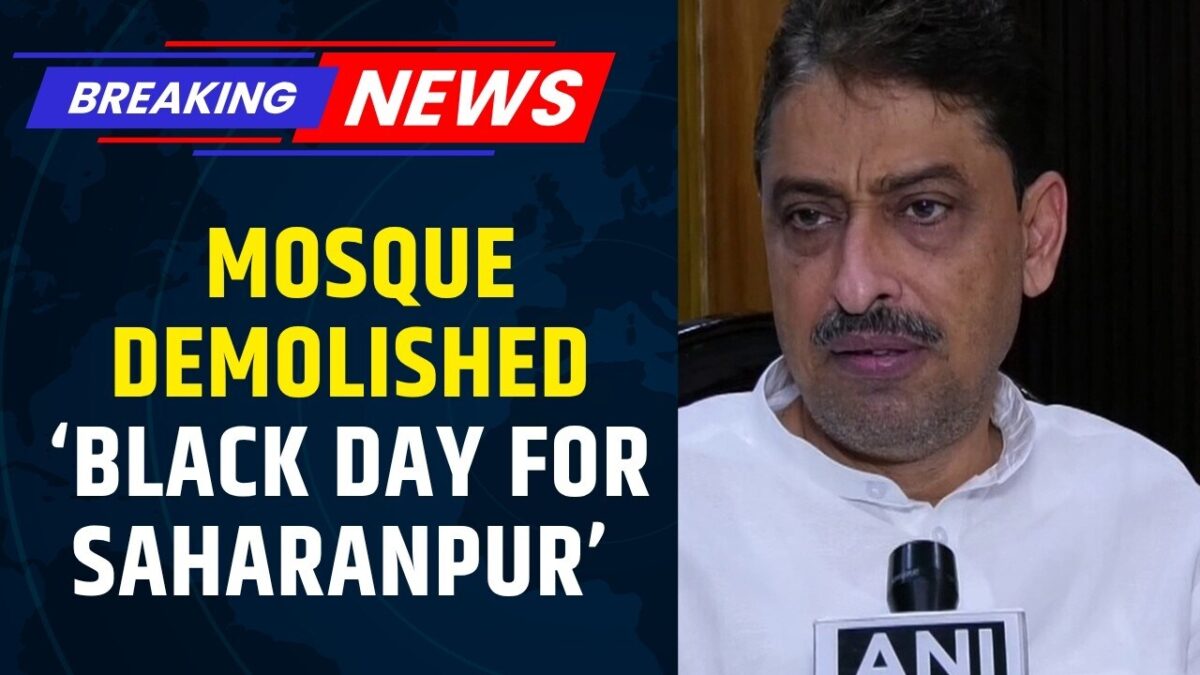
Asaduddin Owaisi criticized the demolition and questioned protections for Muslims’ religious freedom.
He also argued that people had prayed there for more than 100 years.
Other opposition politicians criticized the action and raised legal concerns.
Authorities said the demolition followed the court’s order and that extra security was deployed.

A mosque at the Saharanpur Collectorate was demolished around 5 AM following a court order.
Asaduddin Owaisi said records dating to 1911 showed the mosque’s existence and continuous use for prayers.
Officials said the City Magistrate’s court found the structure illegally built on government land.
The mosque committee’s appeal was dismissed by the District Judge’s court on September 4.
Opposition leaders criticized the demolition, while authorities said it followed legal procedures and increased security.
- Who
- The mosque committee, government authorities, Asaduddin Owaisi, and opposition politicians including Iqra Hasan and Imran Masood.
- What
- A mosque at the Saharanpur Collectorate was demolished after courts upheld its removal.
- Where
- At the Saharanpur Collectorate in Saharanpur.
- When
- The demolition took place around 5 AM; the District Judge’s court dismissed the committee’s appeal on September 4, following a July 17 City Magistrate order.
- Why
- Authorities said the mosque was illegally constructed on government land and that its removal followed court orders; critics disputed the action and cited historical records.
Critics and Mosque Committee
Administration
Historical status of the mosque
Critics and Mosque Committee
Owaisi and opposition leaders said records dating to 1911, or earlier according to Imran Masood, showed the mosque’s long-standing existence and use for prayers.
Administration
Authorities maintained that the structure was illegally constructed on government land.
Legality of the demolition
Critics and Mosque Committee
Owaisi argued that continuous possession and long-standing religious use raised protections under waqf and property law. Imran Masood alleged that the Waqf Board was not included in the proceedings.
Administration
The administration said the demolition was carried out under a City Magistrate’s order that was upheld on appeal by the District Judge’s court.
Political and constitutional concerns
Critics and Mosque Committee
Owaisi questioned whether constitutional religious-freedom protections applied to Muslims, while Iqra Hasan and other opposition leaders criticized the demolition.
Administration
Officials emphasized compliance with the court’s order and said security measures were taken to maintain law and order.
Key facts
- Location
- Saharanpur Collectorate, Saharanpur
- Demolition time
- Around 5 AM
- Historical record cited
- The mosque committee cited records dating to 1911.
- City Magistrate ruling
- On July 17, the court ordered demolition and compensation of approximately Rs 6.41 crore over alleged encroachment and misuse of government land.
- Appeal outcome
- The District Judge’s court dismissed the mosque committee’s appeal on September 4.
- Official justification
- Authorities said the mosque was illegally constructed on government land and that demolition followed legal procedures.
- Security response
- Additional Provincial Armed Constabulary and Rapid Action Force personnel were deployed, and social media was monitored for rumors.
Quotes

Asaduddin Owaisi
AIMIM chief and Hyderabad Member of Parliament
“The mosque in the Saharanpur Collectorate was demolished at 5 AM this morning. Does the constitutional guarantee of freedom of religion no longer apply to Muslims? Why is it that our places of worship are constantly bulldozed on flimsy grounds?”
 deccanchronicle.com
“The mosque committee produced records going back to 1911 to establish its existence. Prayers have been offered there continuously for more than a century. This is the very definition of waqf by user, which is still protected as waqf under law”
deccanchronicle.com
Sources
Related news
Saharanpur Mosque Demolished After Appeal Dismissed, MPs Protest

Saharanpur Mosque Demolished After Court Upholds Government Land Claim
Saharanpur Mosque Demolition Begins After Court Upholds Order

Pakistan Temple Demolition Sparks Investigation and Restoration Demands

BJP Says Saharanpur Mosque Demolition Should Not Be Politicized

Supreme Court adjourns hearing on Sambhal mosque survey pleas

UP School Merger Dispute Sparks SP-BJP Political Battle

Former MLA Guddu Pandit Accused of Assaulting Wife in Video
High Court Quashes Aakriti Chaudhary Detention, Sparks Political Questions

Mayawati Sets BSP’s Solo 2027 Strategy, Limits Anand’s Role