

1 week ago
Costa Rican Mother Gets Recycled-Plastic Home After Nine-Year Savings
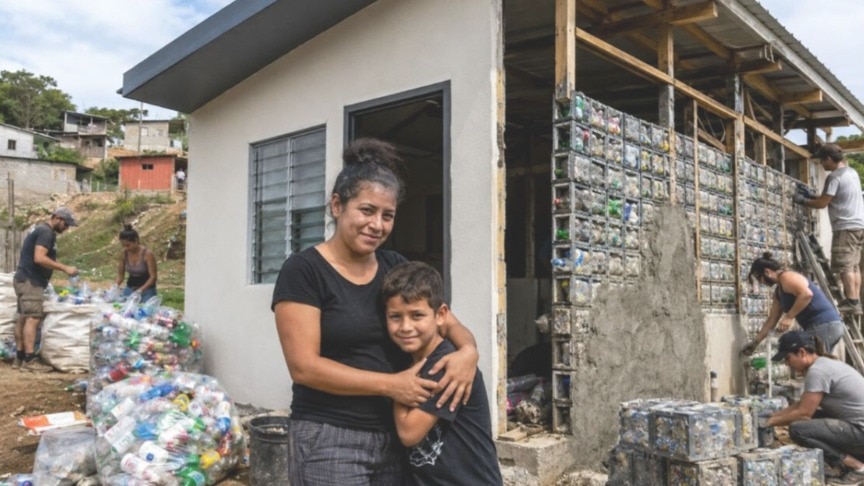
A mother in Costa Rica wanted a permanent home for her son.
She saved money for nine years to buy land.
Building a normal house was still too expensive.
Several organizations joined together to help her build one.
They turned about seven tonnes of old plastic into special blocks.
About 850 of these blocks were used for the walls.
Other regular materials were used for parts such as the roof, foundation and windows.
The house was started in April 2018 and given to the family on May 26.
The project also showed one way to reuse plastic while helping a family find affordable housing.
Reports clarified that volunteers contributed more than 800 hours, rather than 800 people building the house.

The mother, identified as Abarca in one report and Mora in another, saved for nine years to buy land for her son.
Habitat for Humanity Costa Rica partnered with Procter & Gamble, Urbarium and Ekojunto to build the home.
About seven tonnes of recycled plastic were made into approximately 850 interlocking Bioqueplas blocks.
The blocks formed the walls, while conventional materials were used for the foundation, roof, utilities, doors and windows.
Construction began in April 2018, and the home was handed over on May 26 after more than 800 volunteer hours—not 800 volunteers.
- Who
- A mother identified as Abarca in one article and Mora in another, her son, Habitat for Humanity Costa Rica, Procter & Gamble, Urbarium and Ekojunto.
- What
- A home was built with interlocking blocks made primarily from recycled plastic.
- Where
- Lámparas, in Alajuelita, Costa Rica.
- When
- The mother saved for nine years; construction began in April 2018, and the house was handed over on May 26, 2018.
- Why
- The family needed an affordable permanent home, while the project aimed to reuse plastic waste and demonstrate an alternative housing approach.
Project Claims
Reported Caveats
Volunteer count
Project Claims
Some online accounts described the house as having been built by 800 volunteers.
Reported Caveats
Later reporting clarified that the original figure referred to more than 800 combined volunteer hours, not 800 individual people.
Block performance
Project Claims
Urbarium attributed seismic resistance, thermal and acoustic insulation, weather protection and compliance with Costa Rica’s 2010 seismic construction code to the blocks.
Reported Caveats
The article notes that these are claims by an organization involved in the project and that no independent testing specific to the house was identified.
Key facts
- Recycled plastic used
- Approximately seven tonnes
- Plastic blocks
- About 850 interlocking Bioqueplas blocks
- Construction timeline
- Started in April 2018; handed over on May 26, 2018
- Construction materials
- Recycled plastic blocks formed the walls; conventional materials were used for the foundation, roof, plumbing, electrical wiring, doors and windows
- Mother’s saving period
- Nine years
- Volunteer contribution
- More than 800 combined hours of volunteer labor, primarily from Procter & Gamble employees
- Family
- The mother and her son, identified as Fabrizio in one report
Sources
Related news
Alabama Students Build Affordable Home From Recycled Carpet Tiles

Omar Abdullah Opens Srinagar’s First Waste-to-Wonder Flower Garden
Srinagar Opens First Wonder Garden Built From Recycled Materials

Kerala Sisters Build Climate-Responsive Home on Ancestral Land
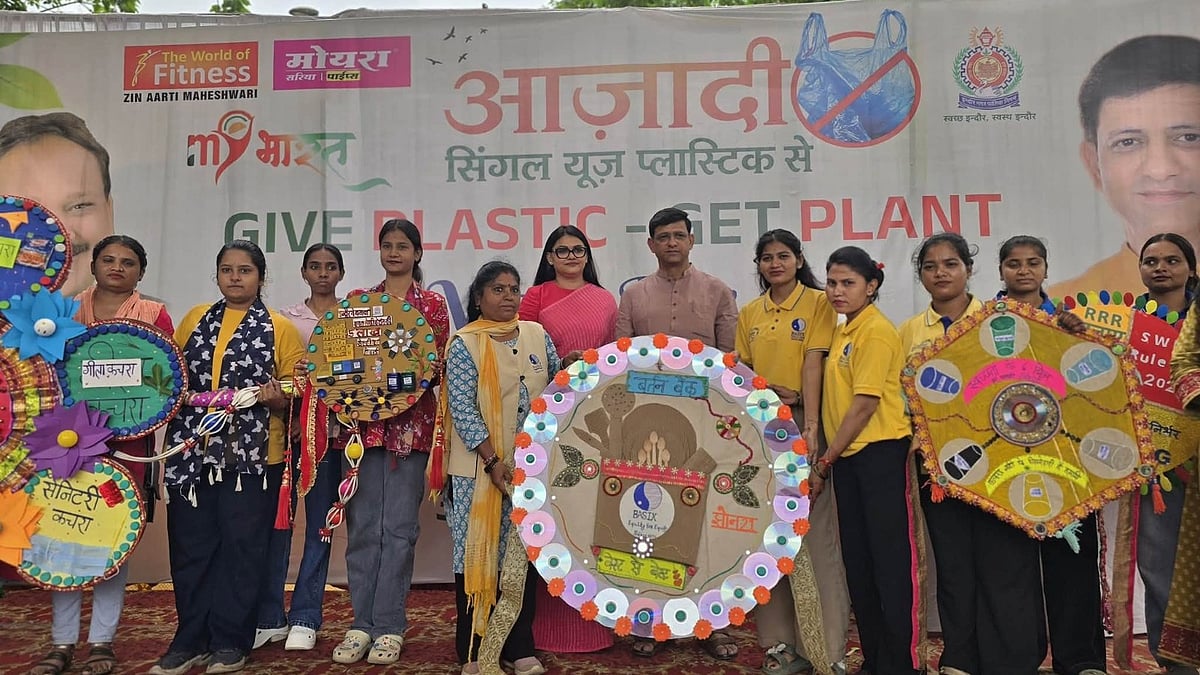
Indore Plastic Drive Collects Waste, Distributes 4,041 Saplings
How two engineers took on Bengaluru's textile waste problem

Over 50 Stocks Set for Dividend Record Dates This Week
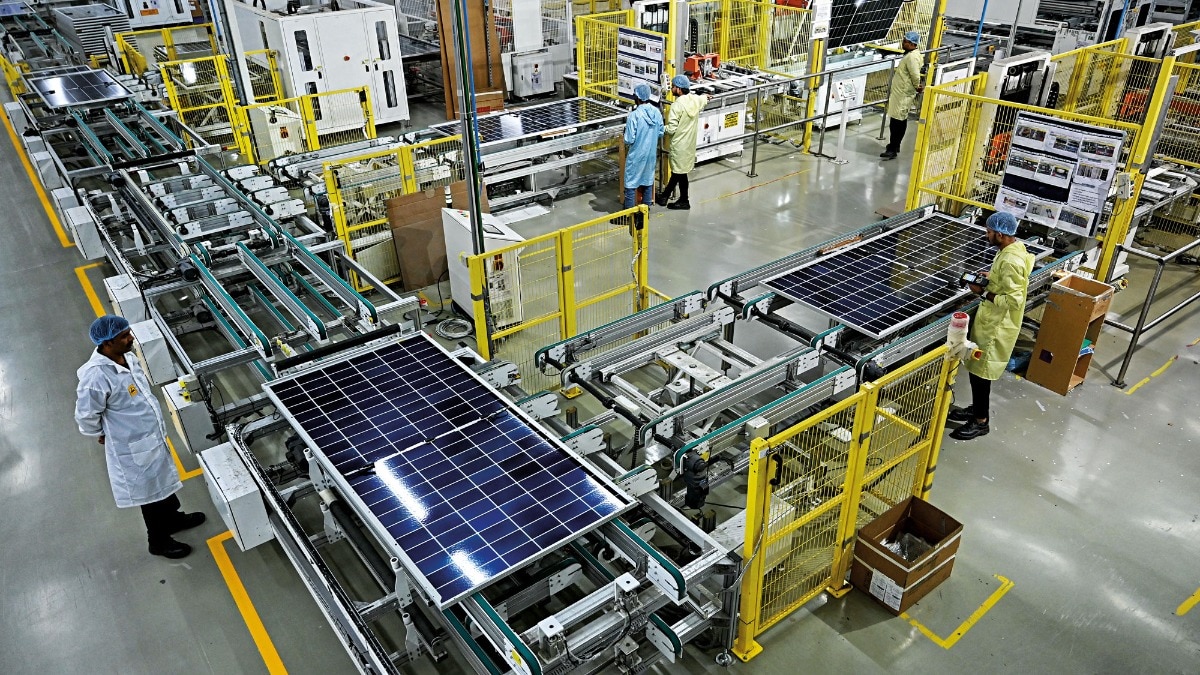
Gujarat Attracts Massive Manufacturing Investment Through Infrastructure and Policy

Gillette India: August 24 record date for Rs 60 dividend

P&G Health Q1 Net Profit Rises 45% to ₹96.15 Crore
