3 weeks ago
How two engineers took on Bengaluru's textile waste problem
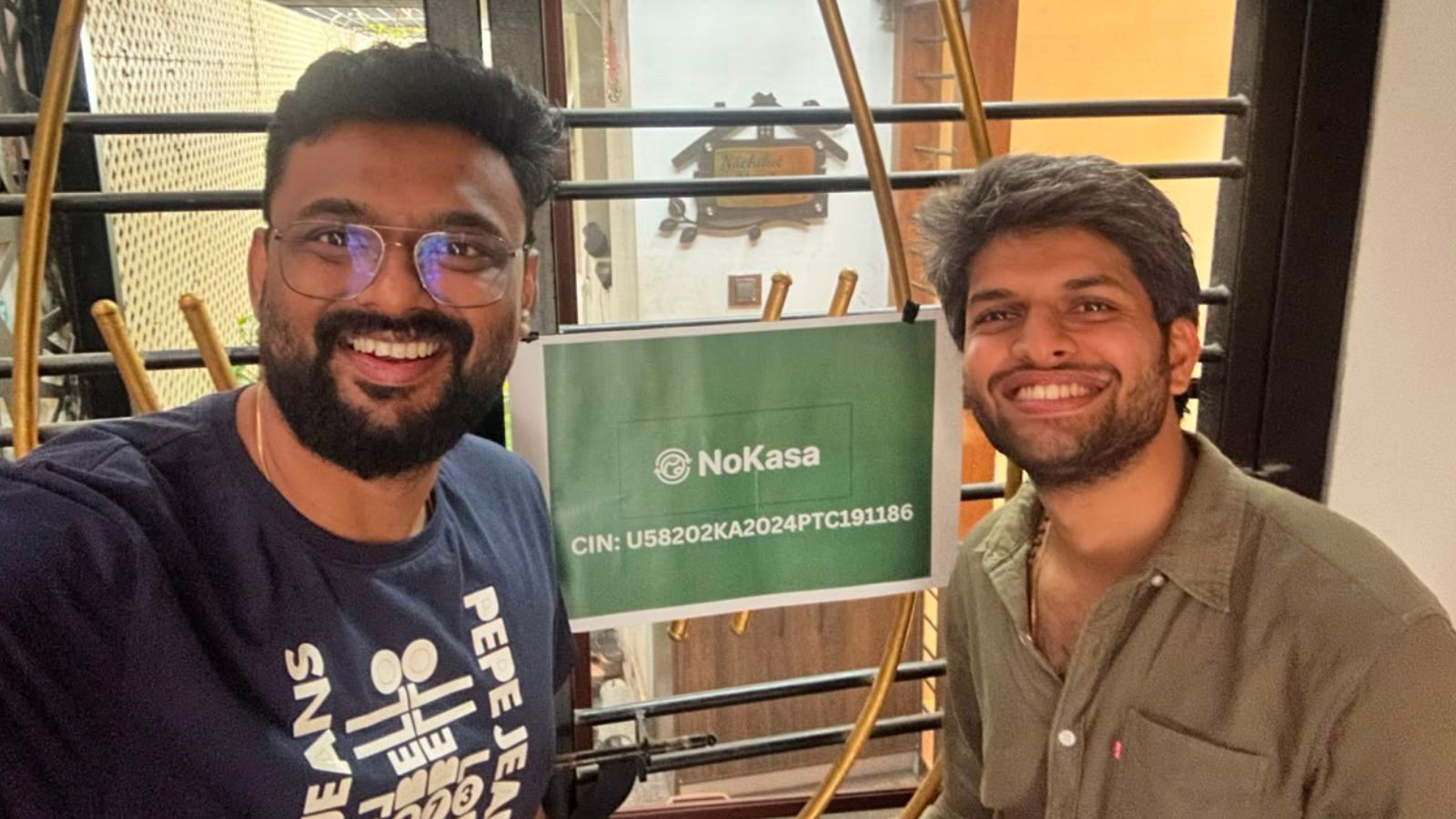
Two friends in Bengaluru, India, noticed a big problem: lots of old clothes were being thrown away and piling up in the streets and trash dumps.
They decided to start a company called NoKasa, which means "garbage" in a local language called Kannada.
People can book a pickup, and workers come to their homes to take the old clothes.
Families get 10 rupees for every kilogram of wearable clothes they donate.
The clothes are sorted into three piles: some are still good to wear, some can be fixed up, and some are too damaged to use.
The wearable ones are sold at KR Market, the fixable ones are given to people who need them, and the damaged ones are turned into things like bags, cushions, or mattress fillings.
So far, NoKasa has kept more than 60,000 kilograms of clothes out of landfills.
The founders say Bengaluru makes at least 300 tonnes of clothing waste every month.
They hope to help more people in Bengaluru and then expand to other cities like Hyderabad and Chennai.

Bengaluru startup NoKasa, founded by Prasad Lingawar and Nachiketa Acharya, offers doorstep pickup of unwanted textiles.
NoKasa has diverted more than 60,000 kg (60 tonnes) of textile waste from landfills since it began operations in 2025.
Collected clothes are sorted into three categories: wearable garments sold at KR Market, refurbishable clothes donated, and damaged clothes recycled into products like bags and mattress fillings.
Residents receive Rs 10 per kg for wearable clothes, and NoKasa partnered with NGO Hasiru Dala to install smart collection bins in residential societies.
The founders estimate Bengaluru generates at least 300 tonnes of cloth waste monthly and plan to expand beyond Bengaluru to Hyderabad and Chennai.
- Who
- Prasad Lingawar and Nachiketa Acharya, co-founders of the textile recycling startup NoKasa
- What
- Launched NoKasa, a platform for doorstep collection, sorting, and recycling of textile waste in Bengaluru
- Where
- Bengaluru, India
- When
- NoKasa began operations in 2025, and the article was written after the first weekend of August
- Why
- To prevent discarded clothes from contaminating land and groundwater and to keep textile waste out of landfills
Key facts
- Venture
- NoKasa
- Founders
- Prasad Lingawar and Nachiketa Acharya
- Location
- Bengaluru, India
- Waste diverted since 2025
- More than 60,000 kg (60 tonnes) of textile waste
- Payment to residents
- Rs 10 per kg of wearable clothes
- Team size
- 8-10 employees; collection crew of seven with two vehicles
- Estimated monthly textile waste in Bengaluru
- At least 300 tonnes
- Expansion targets
- Hyderabad and Chennai
Quotes
Prasad Lingawar
Founder and CEO of NoKasa, former recruiter software company founder
““Both my parents are doctors, and they tried to convince me not to take this up. Most parents would say the same to a child who already has a steady job. But they saw how passionate I was and were eventually convinced due to my experience of starting a company.””
 indianexpress.com
““Recycling includes upcycling, where clothes are turned into something directly usable like bags, and downcycling, where they are trashed and sent to manufacture things like mattress fillings, noise cancellation in headphones, and cushions.””
indianexpress.com
Sources
Related news

India Urges Stronger Textile Recovery Frameworks for Climate Commitments
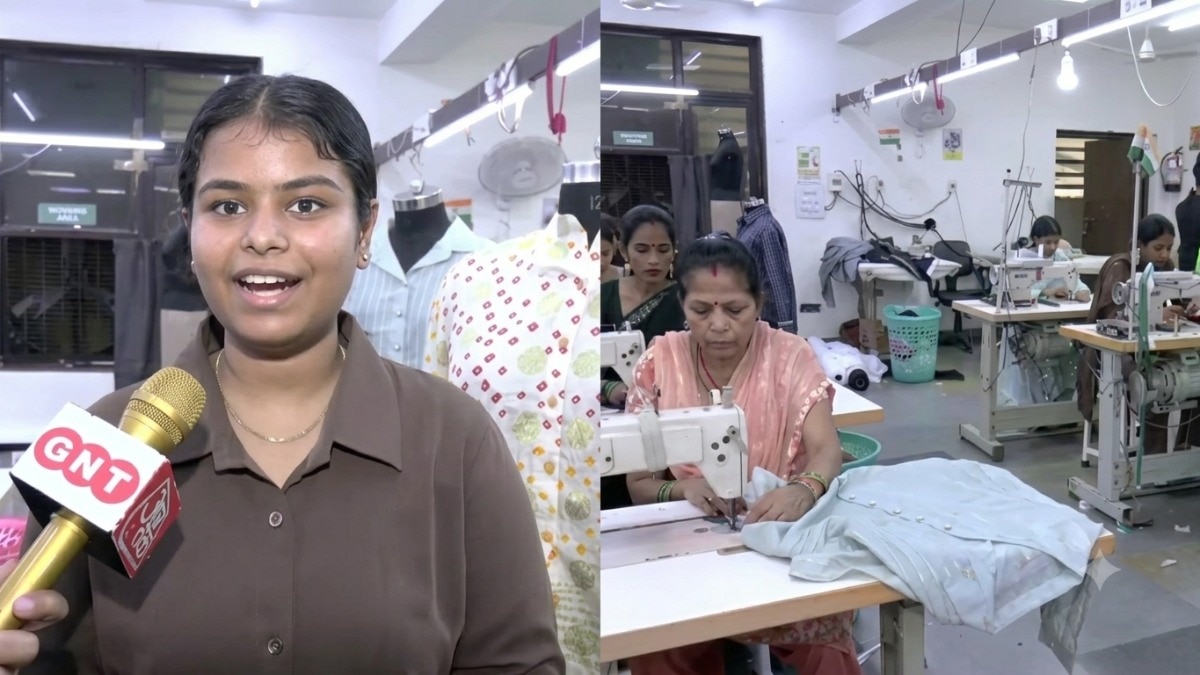
Noida Student’s Sutradhar Turns Textile Waste Into Women’s Wages
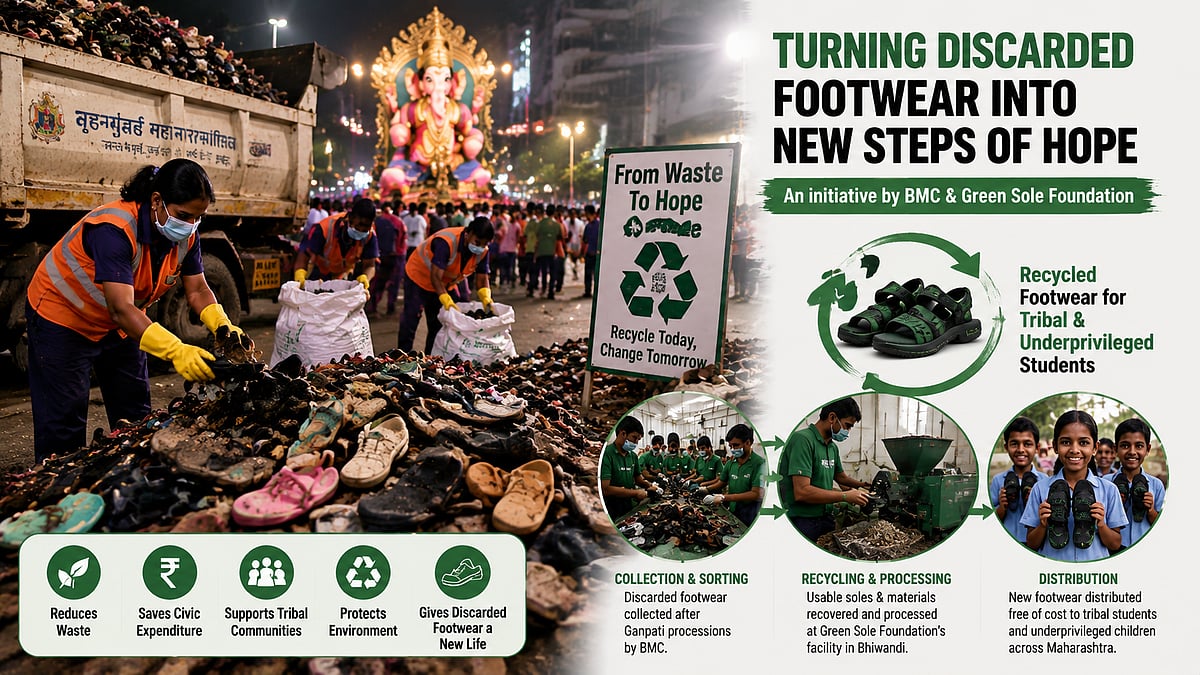
Mumbai Festival Footwear Waste Recycled for Tribal Children
Nellore Flags Off Garbage Collection Vehicles for Waste Pickers

Khowai’s Women-Led Cooperative Transforms Waste Work Into Dignity

Court defers approver Pradosh’s statement in Renukaswamy murder case
Shivakumar Seeks NITI Aayog Funds, Backs Second Bengaluru Plan
Viswanathan Anand Says AI Has Transformed Modern Chess

Science Quiz Covers Vehicle Communication, Space, Medicine, Missiles and Time

Syrma SGS, Elemaster Launch High-Reliability Electronics Facility in Bengaluru