3 weeks ago
Oil Prices Slip as Iran-Oman Talks Raise US-Iran Peace Hopes

Oil is a special liquid that powers cars, planes, and many machines, and countries buy and sell it around the world.
When people worry that oil might become hard to get, its price usually goes up.
This week, oil became a little cheaper on Thursday.
That is because Iran and Oman have been talking, and their talks made people hope that Iran and the United States might stop fighting.
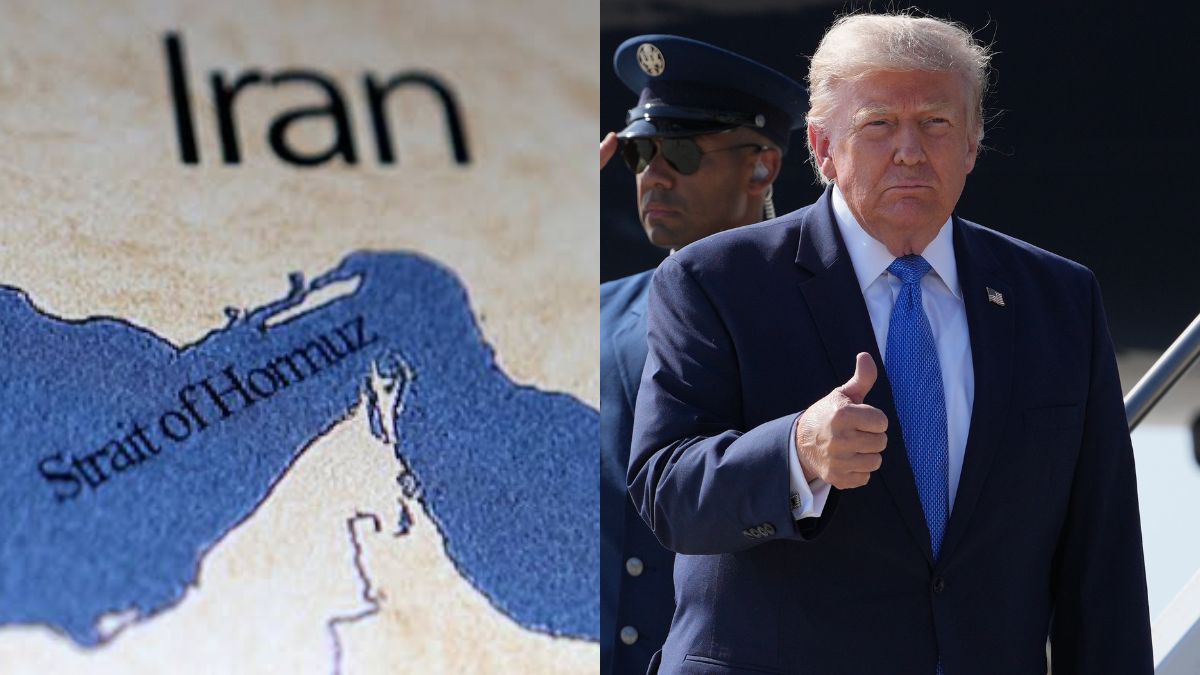
The two countries have been in a conflict for five months, and a peace deal could let ships safely use an important water path called the Strait of Hormuz, where a lot of the world's oil travels.
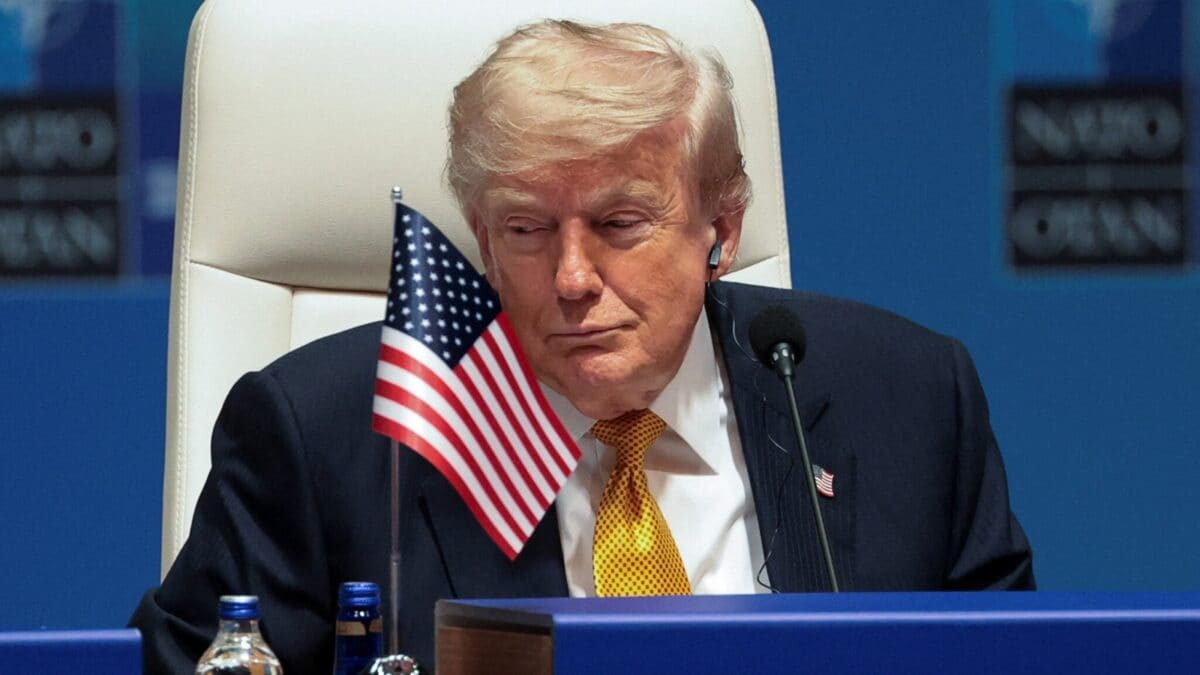
A proposed agreement could let Iran watch over ships going through that waterway, and President Donald Trump said a deal to reopen it was close.
But some US officials said America would not agree to let Iran control that important route.
There are still worries, because Iran warned that fresh US attacks could lead to retaliation against oil facilities, and rebels in Yemen said they fired missiles at Saudi oil tankers.
So the price of oil went down a little, but people are still watching to see what happens next.

Oil prices slipped on Thursday, with Brent crude falling 0.5% to $79.08 a barrel and WTI crude falling 0.7% to $74.69 a barrel, as Iran-Oman talks raised hopes of a US-Iran peace deal.
A Reuters-cited proposal could allow Tehran to oversee ships transiting the strategically important Strait of Hormuz, which would be a major concession to Iran.
President Donald Trump said a deal to reopen the shipping route was close, but US officials maintained Washington would not support Iranian control of the corridor.
Iran warned Gulf nations that renewed US military action could trigger retaliation against critical energy infrastructure across the region.
Yemen's Iran-backed Houthi rebels claimed missile attacks on Saudi oil tankers near Yanbu in the Red Sea and in the Gulf of Aden, though Saudi authorities have not confirmed the incidents.
- Who
- Iran, Oman, and the United States (including President Donald Trump), along with Yemen's Iran-backed Houthi rebels and Saudi Arabia.
- What
- Crude oil prices fell as Iran-Oman negotiations raised hopes of a US-Iran peace deal that could reopen the Strait of Hormuz and end the five-month conflict.
- Where
- The Middle East, including the Strait of Hormuz, the Red Sea near Yanbu, and the Gulf of Aden.
- When
- Thursday, with US crude inventory data covering the week ended July 31.
- Why
- Investors weighed the possibility of a peace agreement ending the five-month US-Iran conflict and restoring Middle East shipping routes.
Peace-deal proponents
Skeptics and US officials
Control of the Strait of Hormuz
Peace-deal proponents
The Iran-Oman proposal could let Tehran oversee ships transiting the strait, a major concession that could reopen the key shipping route and end the five-month conflict; President Donald Trump said a deal is close.
Skeptics and US officials
US officials said Washington would not support Iran controlling access to the strategically important energy corridor.
Outlook for oil prices and Middle East supply
Peace-deal proponents
Fresh hopes of a US-Iran peace deal eased investor concern and pulled crude prices lower, suggesting diplomatic progress could relieve oil markets.
Skeptics and US officials
Iran's warnings of retaliation against Gulf energy infrastructure and continued Houthi attacks prolong shipping disruption risks, keeping traders cautious about a quick end to supply problems.
Key facts
- Brent crude price
- $79.08 per barrel, down 37 cents (0.5%)
- WTI crude price
- $74.69 per barrel, down 53 cents (0.7%)
- US-Iran conflict duration
- Five months
- Strait of Hormuz status
- Proposed Iran-Oman deal could let Tehran oversee transiting ships; Trump says a deal is close, but US officials oppose Iranian control
- Houthi attacks
- Missile attacks claimed on Saudi oil tankers near Yanbu and in the Gulf of Aden; unconfirmed by Saudi authorities
- US crude oil inventories
- Rose by 2.5 million barrels to 407 million barrels in the week ended July 31 (EIA), versus an expected 1.5 million-barrel decline
- Iran's warning
- Renewed US military action would prompt retaliation against critical energy infrastructure across the Gulf region
- Market reference point
- Prices moved back toward levels seen after the US-Iran interim peace agreement of June 17
Sources

Related news
Oil Prices Fall as Iran-Oman Talks Ease Hormuz Fears
Oil Prices Slide as Iran-Oman Talks Ease Hormuz Disruption Fears

Oil Prices Extend Losses as Hormuz Talks Raise Supply Hopes
Oil prices rise as US-Iran talks stall over Hormuz

Iran Seizes Fuel-Smuggling Vessel in Gulf, Arrests 11 Crew

Trump Floats Renaming Strait of Hormuz as “Trump Strait”

Chevron Plans $7 Billion Venezuela Expansion Amid U.S. Oil Push
Saudi Tanker Hit in Hormuz, Killing Two Filipino Sailors

U.S.-Iran Exchange Escalates Across Middle East, Markets Slide