3 weeks ago
How 'Azadi' Evolved From Anti-Colonial Cry to Political Flashpoint
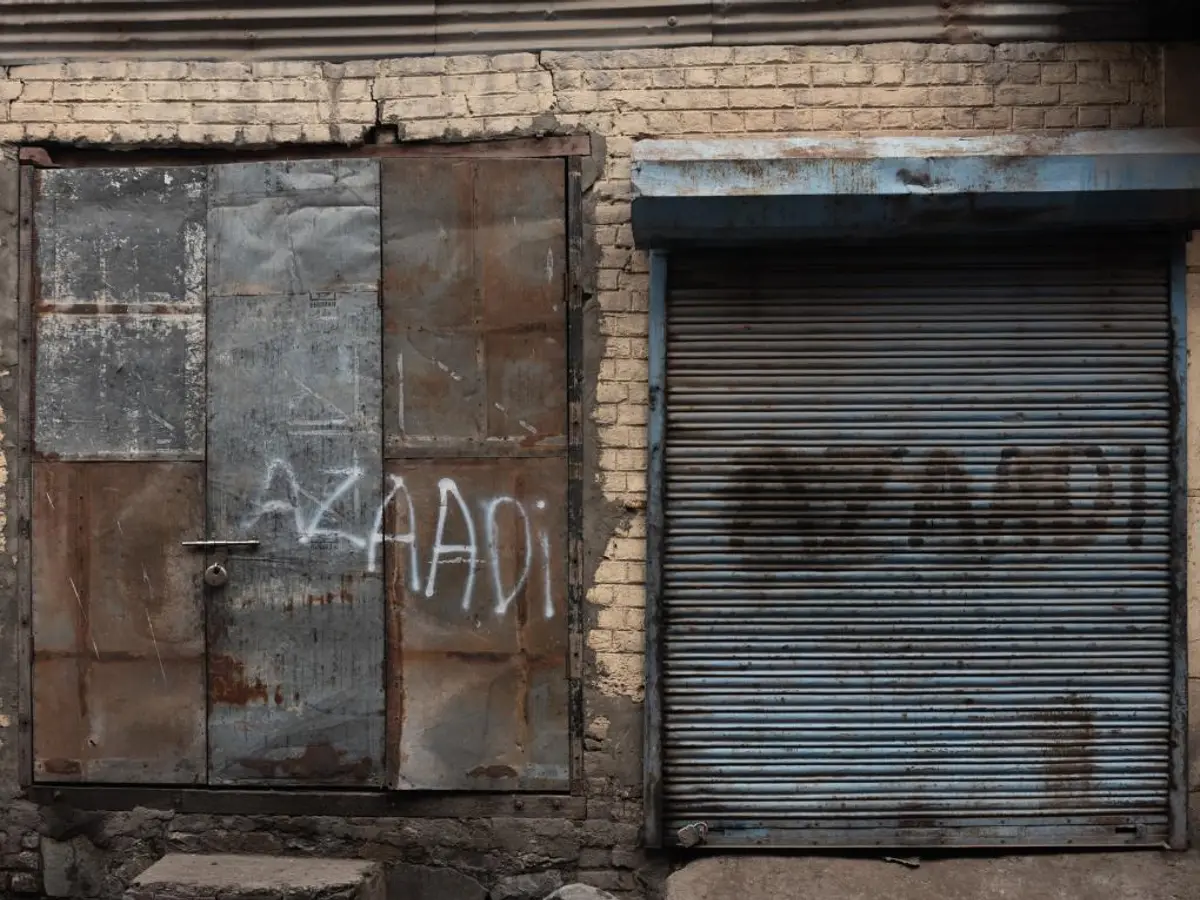
There is a word called 'Azadi' that means freedom, and it has a very long and interesting history.
Long ago, before India became independent, people used this word as their bravest way of asking for freedom from British rule.
Back then, saying 'Azadi' was seen as the most patriotic thing anyone could do.
After independence, the word became calmer and was even put in school textbooks.
Later, women in Pakistan used the same word to ask for freedom from unfair laws.
A woman named Kamla Bhasin heard it there and brought it back to India.
Soon, people in Kashmir also used 'Azadi' as a chant, but they wanted something different, which made the word feel very divided.
In recent years, students and protesters in India have shouted 'Azadi' to ask for fairness and equal rights.
But the Indian government has become worried about the word and has sometimes threatened people with serious punishment for saying it.
So one little word can mean very different things to different people.

The Persian-origin word 'Azadi' was considered the highest form of patriotism in India for decades before 1947.
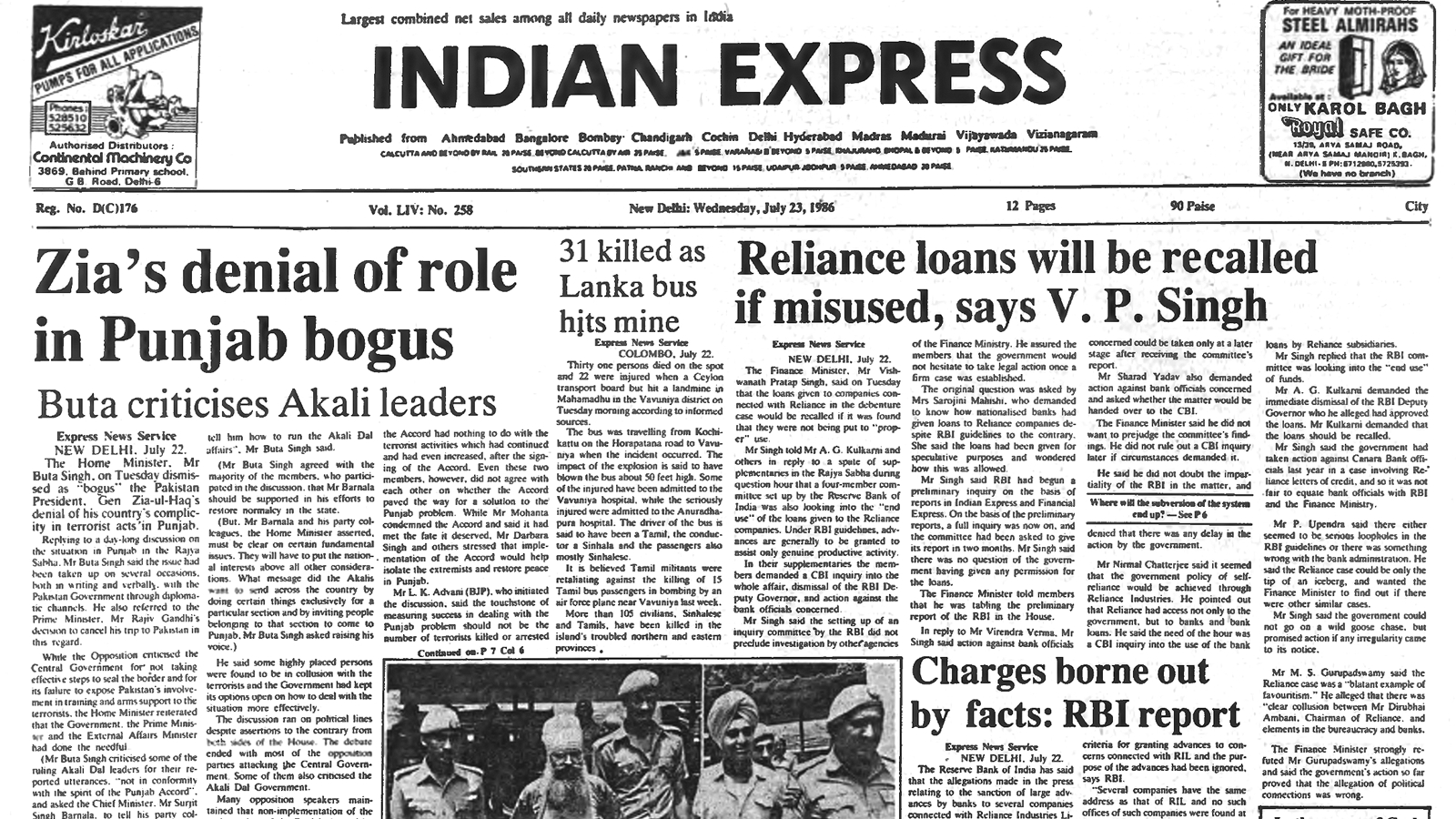
The slogan was revived in Pakistan's feminist movement in the 1980s under General Zia-ul-Haq's dictatorship.
Feminist activist Kamla Bhasin brought the chant to India, first raising it publicly in 1991 at Jadavpur University.
The chant became an anthem for the Kashmiri separatist movement during the insurgency of the late 1980s-90s.
In January 2020, Uttar Pradesh Chief Minister Yogi Adityanath said those chanting the 'azadi slogan' during anti-CAA protests would be booked for sedition.
- Who
- Indian protesters, feminist activists like Kamla Bhasin, and officials such as Yogi Adityanath
- What
- The word 'Azadi' evolved from an anti-colonial rallying cry into a deeply polarised political slogan used in feminist, separatist, and anti-government protests
- Where
- India (Jantar Mantar, JNU and other universities), Pakistan, and Srinagar in Kashmir
- When
- From decades before 1947 through the 1980s-90s, 2013, 2016, 2020, and continuing with recent CJP protests
- Why
- The chant carried revolutionary potential and resistance, which led the state to stigmatise it as treason while activists continued to use it for equality and social justice
Protesters and Activists
Indian Government and State
Meaning of Azadi
Protesters and Activists
Azadi is a cry for equality and social justice - freedom within India, not freedom from India
Indian Government and State
The chant is a separatist and secessionist demand that poses a threat to the nation
Legitimacy of the chant
Protesters and Activists
Chanting Azadi is legitimate democratic dissent and free expression
Indian Government and State
Chanting Azadi is a potentially treasonable act warranting sedition charges
Historical attribution
Protesters and Activists
The slogan's roots are in anti-colonial and feminist resistance, not primarily Kashmiri separatism
Indian Government and State
The word is widely associated with the Kashmiri secessionist movement
Key facts
- Origin
- Persian/Urdu word whose ideological moorings were anchored in resistance
- Pre-1947 usage
- Demanding 'Azadi' was considered the highest form of patriotism
- Feminist revival
- Reborn in Pakistan's feminist movement in the 1980s under General Zia-ul-Haq's dictatorship
- India reintroduction
- Kamla Bhasin raised the chant publicly in 1991 at a Women's Studies conference at Jadavpur University
- Kashmir usage
- Became an anthem for the separatist movement during the late 1980s-90s insurgency
- 2013 moment
- Bhasin led 'One Billion Rising from South Asia' march after the Nirbhaya gang rape
- Recent protests
- Used in JNU protests (2016), anti-CAA protests (2020), farmer protests, and CJP protests at Jantar Mantar
- Government reaction
- January 2020: Yogi Adityanath threatened sedition charges for those chanting the slogan
Quotes

Kamla Bhasin
Indian feminist activist and speaker of the 2013 Zaynaba protest march
“I witnessed one such meeting, and that’s where they chanted it. The chant went: 'Aurat ka naara – azadi/Bachchon ka naara – azadi/Hum leke rahenge – azadi/Hai pyara naara – azadi.'”
 wionews.com
Sources
Related news
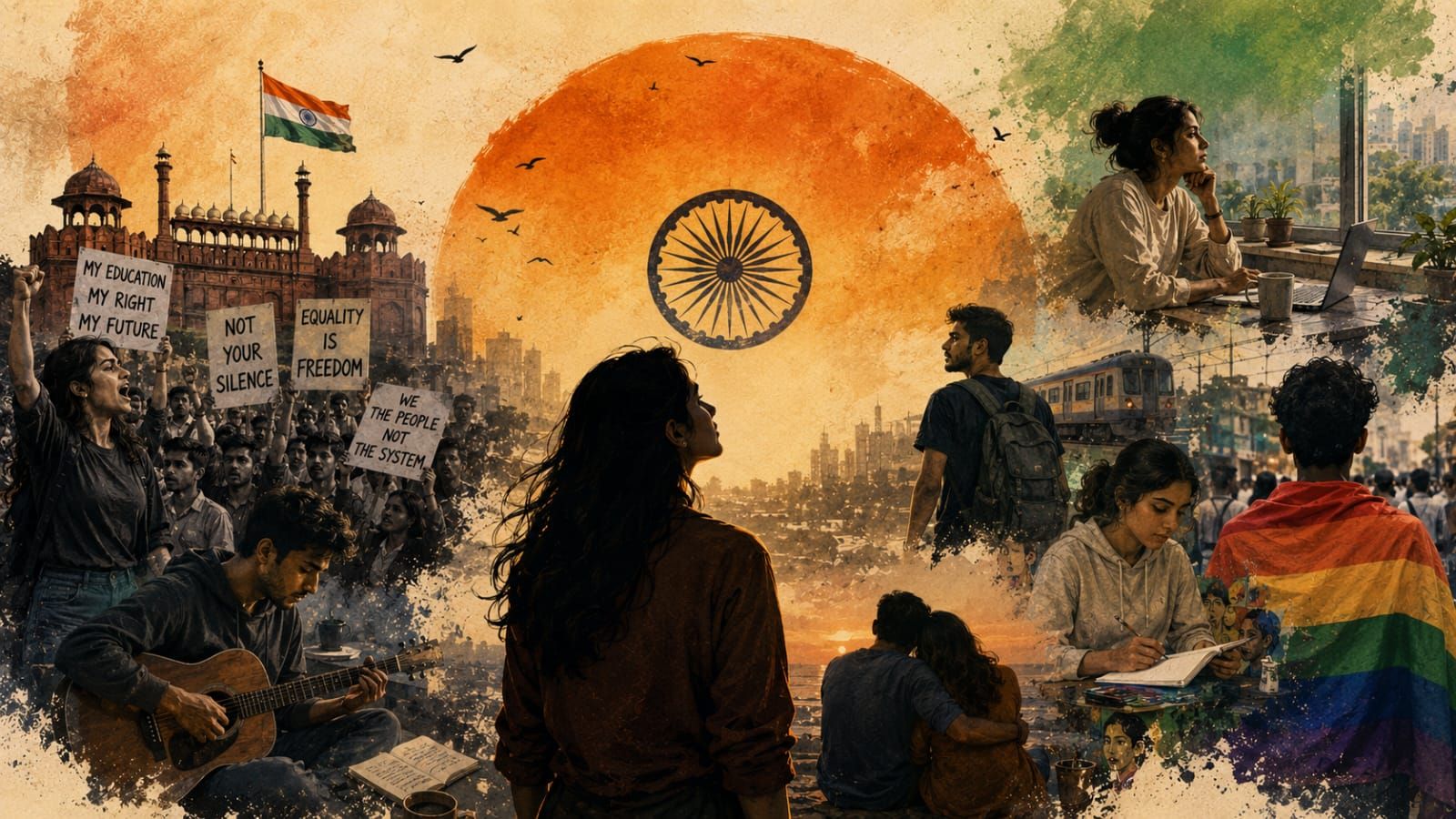
Many Lives of Azadi: What Freedom Means to Gen Z
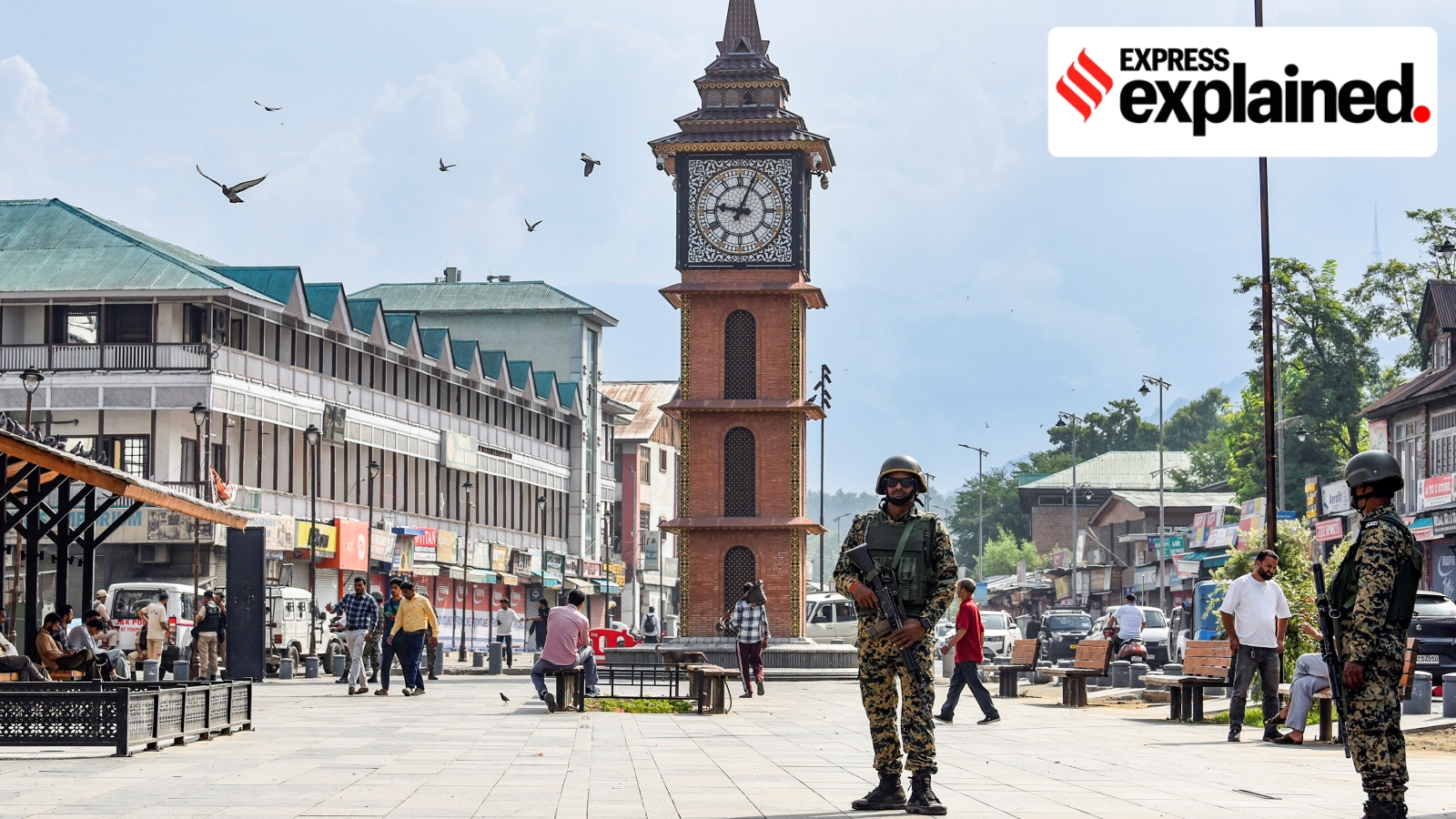
Old Article 370 slogan puts BJP on backfoot in Kashmir
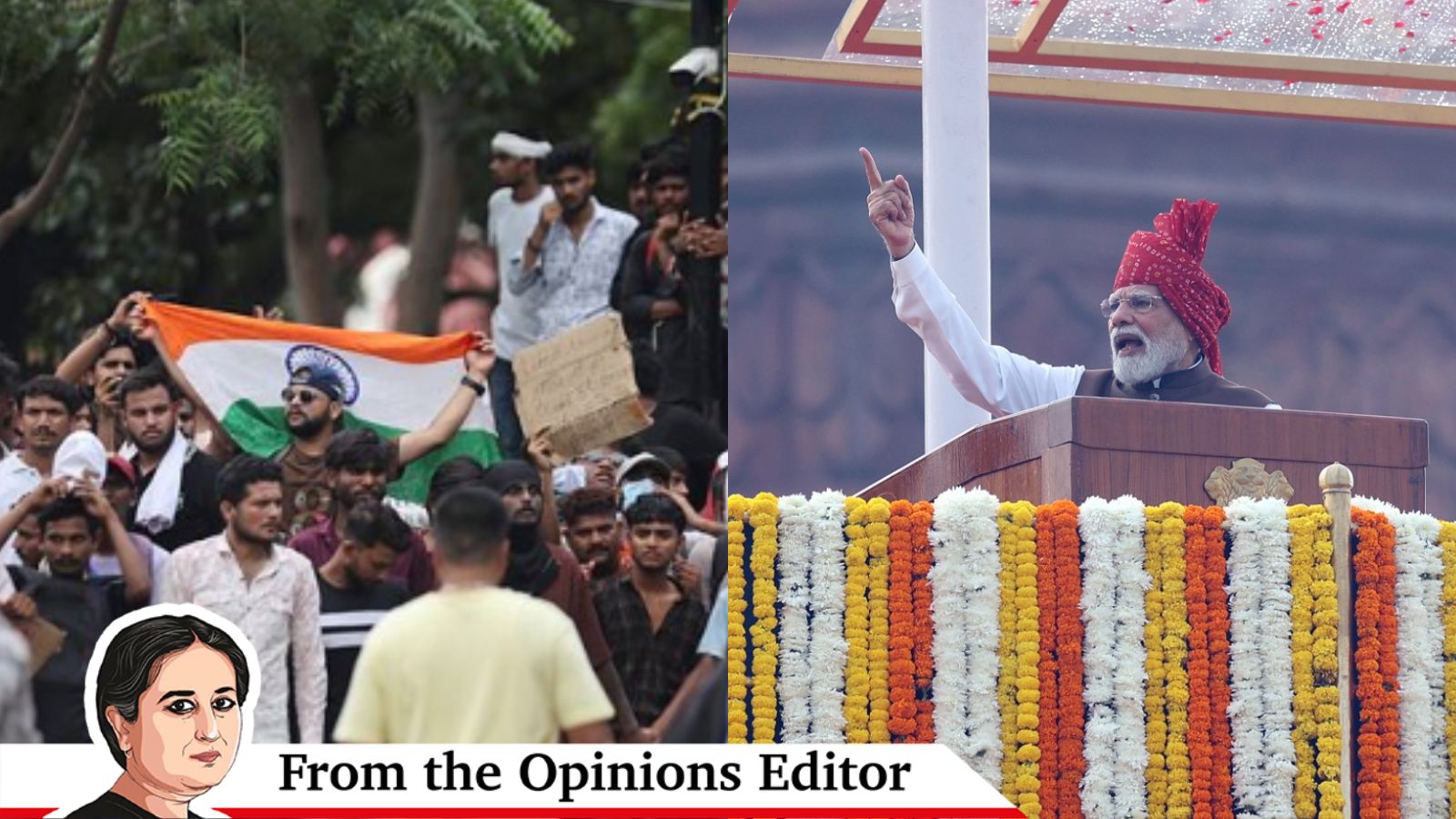
The Day After I-Day: Snapshots of Freedom and Unfreedom
BJP Faces Outrage Over Abusive Slogan on Kashmiri Mothers
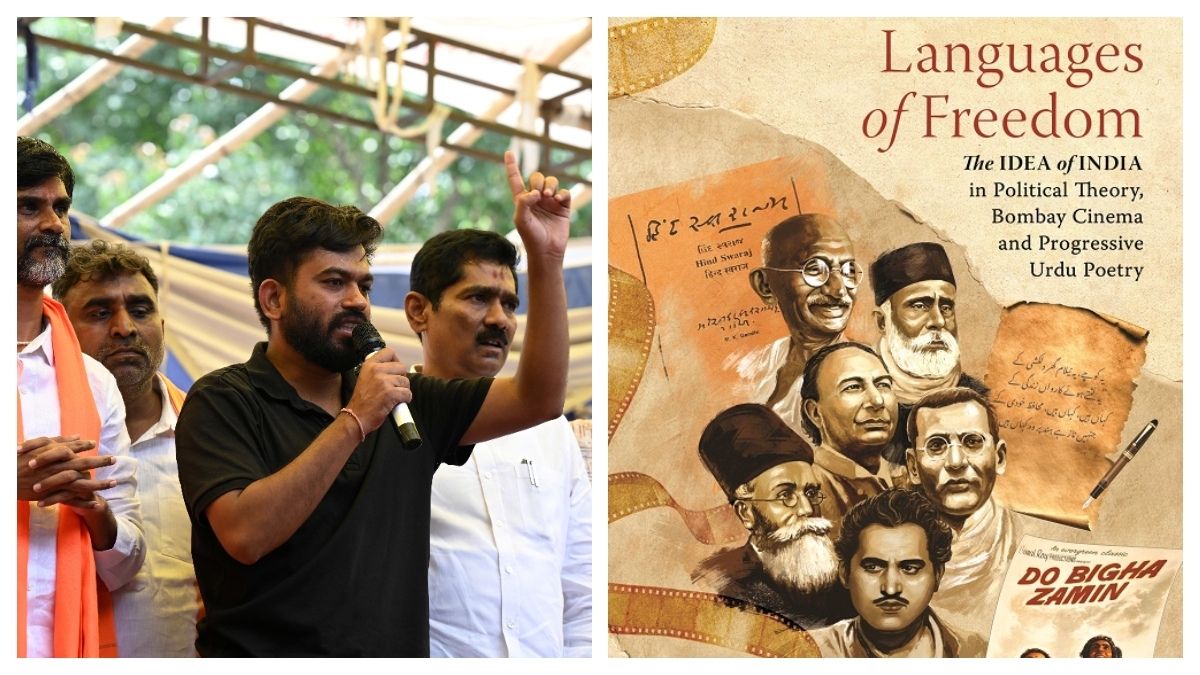
Languages of Freedom Book Review Explores India's Political Thought

Student activist Neha Bora on Naxalism, Umar Khalid and polls
Pakistan Questions Asim Munir’s Expanding Military and Political Power

Pakistan's Student Union Ban Undermined Issue-Based Politics: Report

Yami Gautam Almost Quit Bollywood Before Uri and Bala
PoK unrest revives debate on Bharat's missed strategic opportunity