3 weeks ago
Pakistan's Student Union Ban Undermined Issue-Based Politics: Report

A report says that a very old rule in Pakistan caused problems.
The rule, made in 1984 by General Zia-ul-Haq, stops students from forming groups called student unions.
Student unions let young people learn to work together on big problems.
Without them, politics in Pakistan mostly became about famous people instead of important issues.
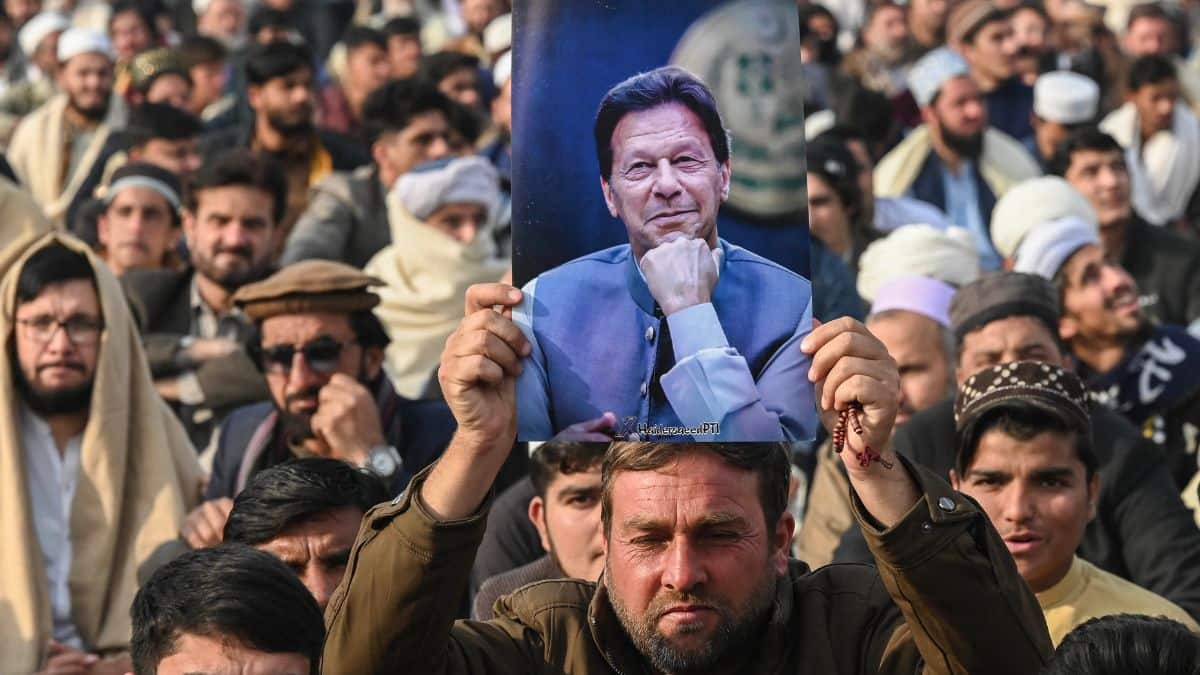
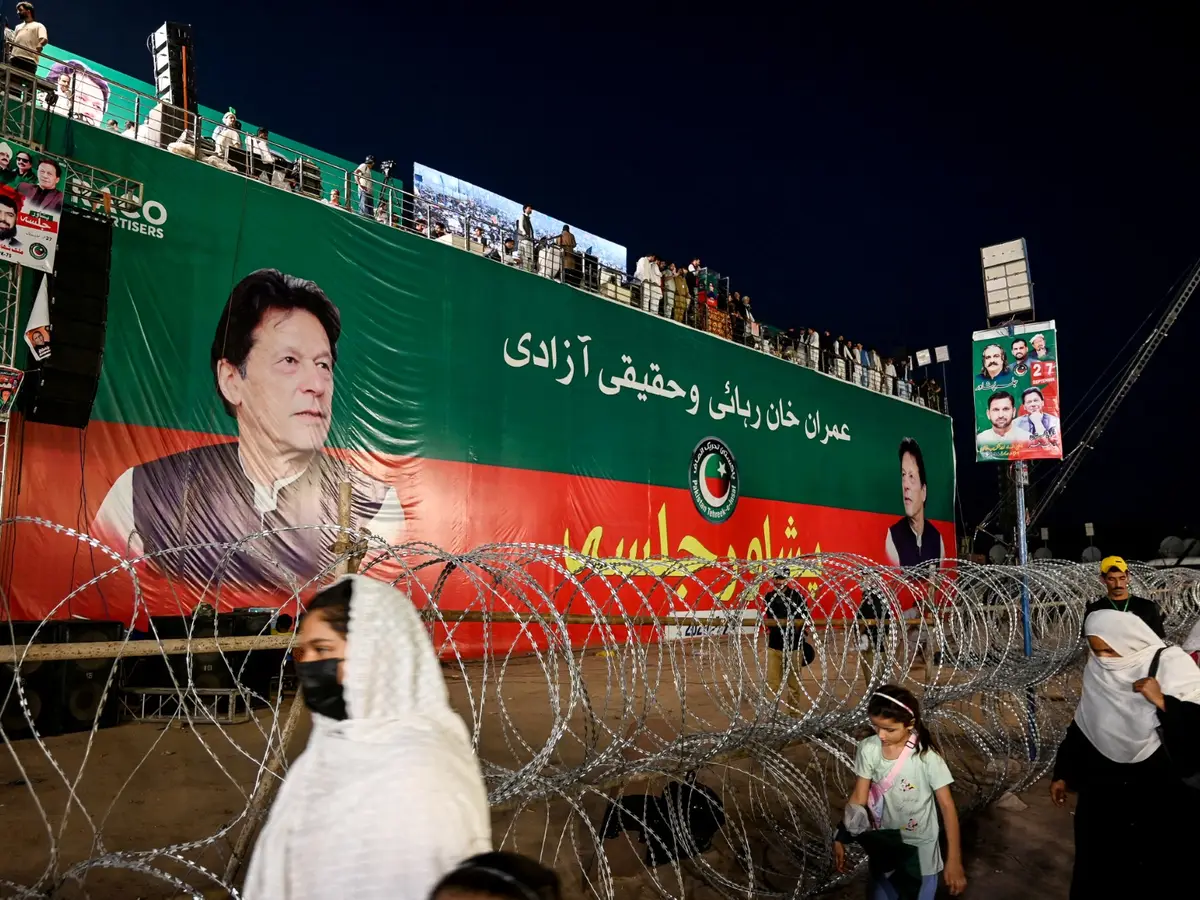
Many people joined protests to ask for the release of Imran Khan, a former prime minister in jail.
The report says these protests struggle because they are about one person, not a cause everyone shares.
It says it is easier to unite people behind 'the economy has collapsed' than 'Free Imran Khan.'
Now a young law graduate named Hamza Khawaja has asked the Supreme Court to bring the unions back.
The court put the government on notice to answer.
If the unions return, students could work together on issues like power cuts and economic distress.

A report in The Diplomat says Pakistan's four-decade ban on student unions undermined issue-based politics.
The ban was imposed by General Zia-ul-Haq in 1984 and locked in by a 1993 court ruling.
The report says PTI-led protests demanding Imran Khan's release centred on one individual, unlike Gen Z demonstrations driven by shared public grievances.
Imran Khan has been in Adiala jail since August 2023 and was sentenced to 17 years in prison on December 20, 2023.
Law graduate Hamza Khawaja has petitioned the Supreme Court to restore student unions and strike down the anti-politics pledge requirement.
- Who
- Former Pakistani Prime Minister Imran Khan, his party Pakistan Tehreek-e-Insaf (PTI), protesters, law graduate Hamza Khawaja, the Pakistani government and the United Nations' special rapporteur on torture.
- What
- A report argues that Pakistan's decades-long ban on student unions undermined issue-based politics, leaving movements centred on personalities such as Imran Khan and unable to achieve their objectives.
- Where
- Pakistan, including Adiala jail and the Supreme Court.
- When
- In the report's recent analysis; Imran Khan has been in jail since August 2023 and was sentenced on December 20, 2023.
- Why
- Because without independent student unions and issue-based politics, parties became vehicles for individual personalities, which the report says lets the establishment sustain itself through personality politics.
Critics and petitioners
Government and establishment
Imran Khan's solitary confinement
Critics and petitioners
The U.N. special rapporteur on torture has flagged Khan's solitary confinement.
Government and establishment
The Pakistani government has denied that Khan is in solitary confinement.
Student union ban
Critics and petitioners
Law graduate Hamza Khawaja has petitioned the Supreme Court to restore the unions and strike down the pledge requirement.
Government and establishment
The ban imposed in 1984 has never been lifted, and a 1993 court ruling locked it in place along with the anti-politics affidavit.
Focus of the protest movement
Critics and petitioners
PTI supporters demand Imran Khan's release and want him freed from jail, making him the centre of their movement.
Government and establishment
Critics argue a movement centred on one politician repels half the country, while a shared cause like the collapsed economy can hold together broad coalitions.
Key facts
- Report source
- The Diplomat online magazine
- Student union ban imposed
- 1984 by General Zia-ul-Haq
- Ban locked in
- 1993 court ruling
- Imran Khan's imprisonment
- Adiala jail since August 2023
- Imran Khan's sentence
- 17 years, imposed December 20, 2023
- Supreme Court petition
- Filed by law graduate Hamza Khawaja to restore unions and strike down the pledge
- Pledge requirement
- Students and a parent must sign an affidavit swearing off politics
Quotes
The Diplomat report
Author of the report published in The Diplomat
“The wall is not without a crack. Hamza Khawaja, a law graduate from Lahore University of Management Sciences, has petitioned the Supreme Court to restore the unions and strike down the pledge requirement for university admissions, and the court has put the government on notice to answer.”
 thehansindia.com
“While a cause can build coalitions, a politician can be divisive. ‘The economy has collapsed’ implicates a whole country and can hold together people who agree on nothing else. ‘Free Imran Khan,’ in contrast, implicates one half of the country and repels the other.”
thehansindia.com
Sources
Related news
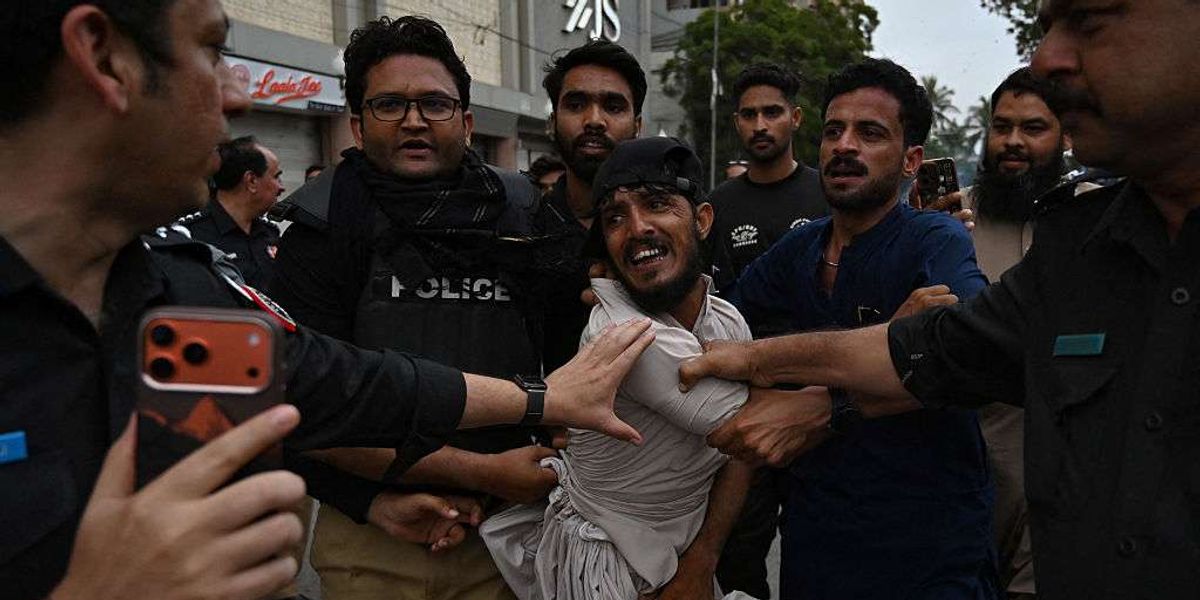
Imran Khan Marks Three Years in Prison Amid Nationwide Protests

PTI nationwide protests mark three years of Imran Khan's imprisonment

PTI Threatens Nationwide Protests Over Denied Jail Visit to Khan
Pakistan Tehreek-e-Insaf supporters to march toward Islamabad on September 27

Report: Pakistan's 'Hard State' Approach Fuels Insurgency, Turmoil
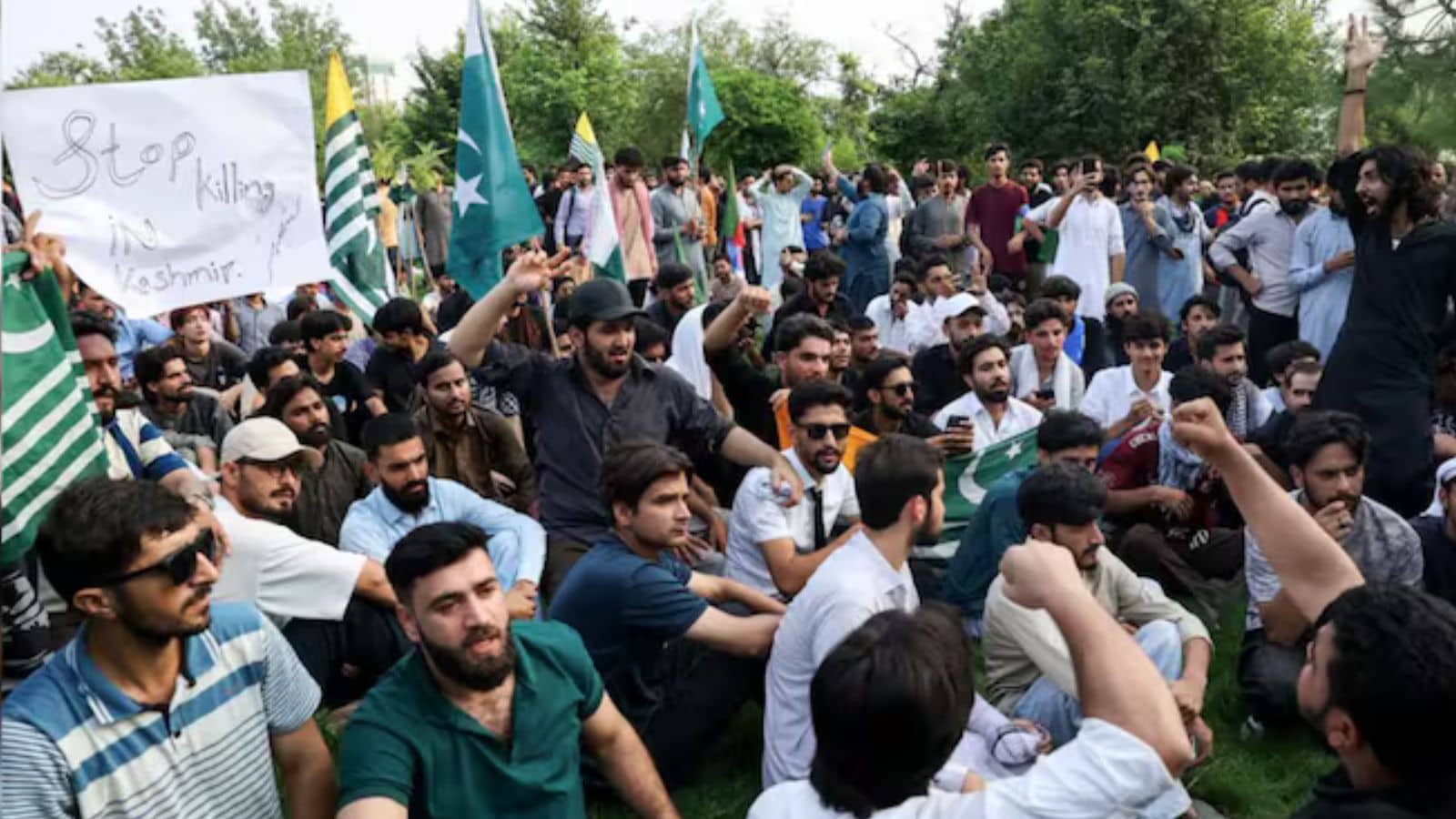
Pakistan's Kashmir Story Collapses Under Weight of PoK Protests
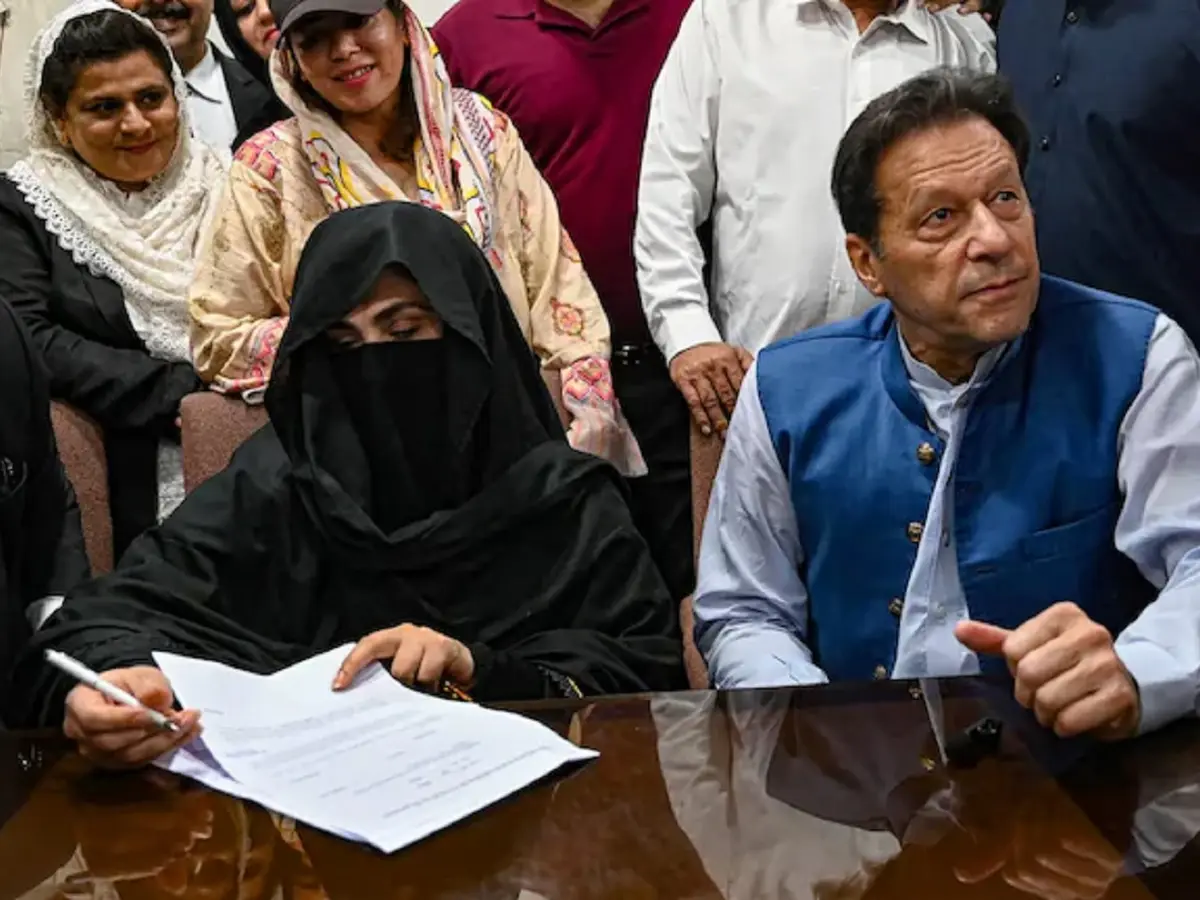
Pakistan High Court Ends Solitary Confinement for Imran Khan

Imran Khan’s Medical Care Raises Questions About Pakistan’s Courts
Pat Cummins Backs Captains’ Plea for Imran Khan’s Care

Imran Khan’s Sons Fear for His Safety in Prison
Imran Khan’s Family Accuses Pakistan Military of Deepening Dictatorship