1 week ago
Pakistan Questions Asim Munir’s Expanding Military and Political Power
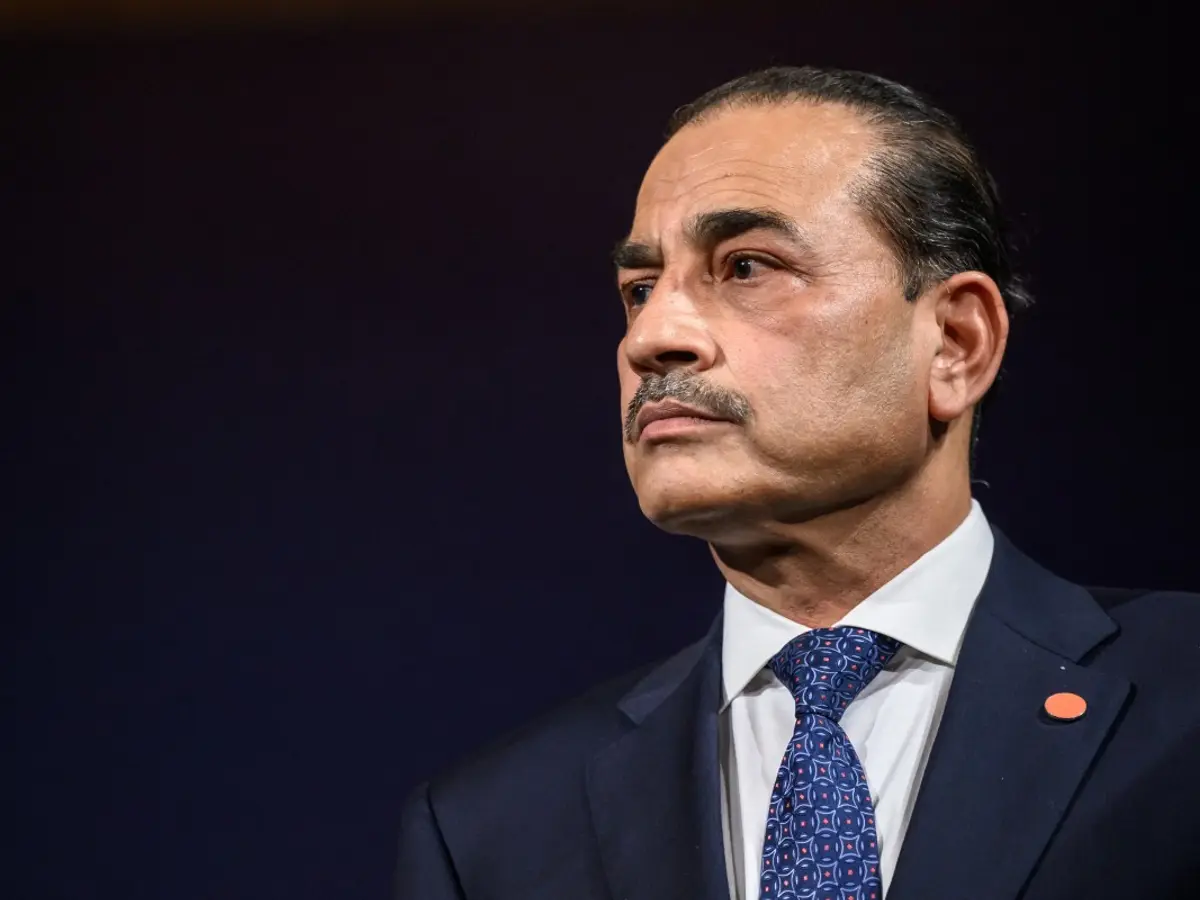
Pakistan’s army has influenced politics for much of the country’s history.
Some military leaders even took direct control of the government.
Asim Munir now holds a powerful position over Pakistan’s armed forces.
Changes to the constitution and new laws have given his office more authority.
Maulana Fazlur Rehman says Munir should remove his uniform if he wants to participate in politics.
He also warned that Pakistan should not repeat the mistakes that led to the 1971 breakup.
Critics worry that the military is becoming too deeply built into the country’s political system.
The main question is whether Pakistan’s leaders and citizens will accept military power defining the nation.

Maulana Fazlur Rehman has challenged Asim Munir’s involvement in politics and urged him to face voters without his uniform.
Fazlur Rehman invoked Pakistan’s 1971 trauma and warned against repeating the mistakes that preceded the country’s breakup.
Constitutional changes made Munir Chief of Defence Forces, bringing Pakistan’s army, navy and air force under unified command.
New legislation has expanded Munir’s authority over military operations and senior personnel, critics say.
The broader dispute concerns whether Pakistan can separate military power from the nation’s political identity.
- Who
- Field Marshal Asim Munir, Maulana Fazlur Rehman, Pakistan’s military, and its political critics.
- What
- A debate is growing over Munir’s expanded authority and the military’s increasingly direct role in Pakistan’s politics.
- Where
- Pakistan.
- When
- The article describes the current period and says Fazlur Rehman issued a warning this week.
- Why
- Constitutional changes and new legislation have formally expanded Munir’s military authority, intensifying concerns about military dominance over civilian politics.
Military Authority and Guardianship
Civilian Political Supremacy
Role of the military
Military Authority and Guardianship
Pakistan’s military has long presented itself as the institution protecting and guarding the state, and it has historically influenced or assumed government power.
Civilian Political Supremacy
Critics argue the military should protect the state rather than define it, and that political decisions should be made through civilian institutions and voters.
Asim Munir’s expanded powers
Military Authority and Guardianship
The constitutional changes and legislation place the armed forces under unified leadership and strengthen the authority of the military’s top commander.
Civilian Political Supremacy
Critics say these changes constitutionally entrench military power and move Pakistan closer to a system dominated by generals.
Political participation
Military Authority and Guardianship
The military’s influence has remained central to Pakistan’s political order across several historical periods.
Civilian Political Supremacy
Maulana Fazlur Rehman says that if Munir wants to do politics, he should remove his uniform and face the electorate.
Historical direction
Military Authority and Guardianship
Pakistan’s military has repeatedly intervened in politics under leaders including Ayub Khan, Yahya Khan, Zia-ul-Haq and Pervez Musharraf.
Civilian Political Supremacy
Fazlur Rehman warns against repeating the mistakes associated with the period before Pakistan’s 1971 breakup, while critics call for a clearer separation between military and civilian power.
Key facts
- Military leader
- Field Marshal Asim Munir
- Political challenger
- Maulana Fazlur Rehman
- New command position
- Chief of Defence Forces
- Scope of command
- Pakistan’s army, navy and air force
- Expanded authority
- Military operations and senior personnel
- Historical warning
- Fazlur Rehman cited the 1971 breakup of Pakistan
- Central issue
- Whether military power should define Pakistan’s political identity
Sources
Related news

Fazlur Rehman Invokes 1971 Defeat in Attack on Military
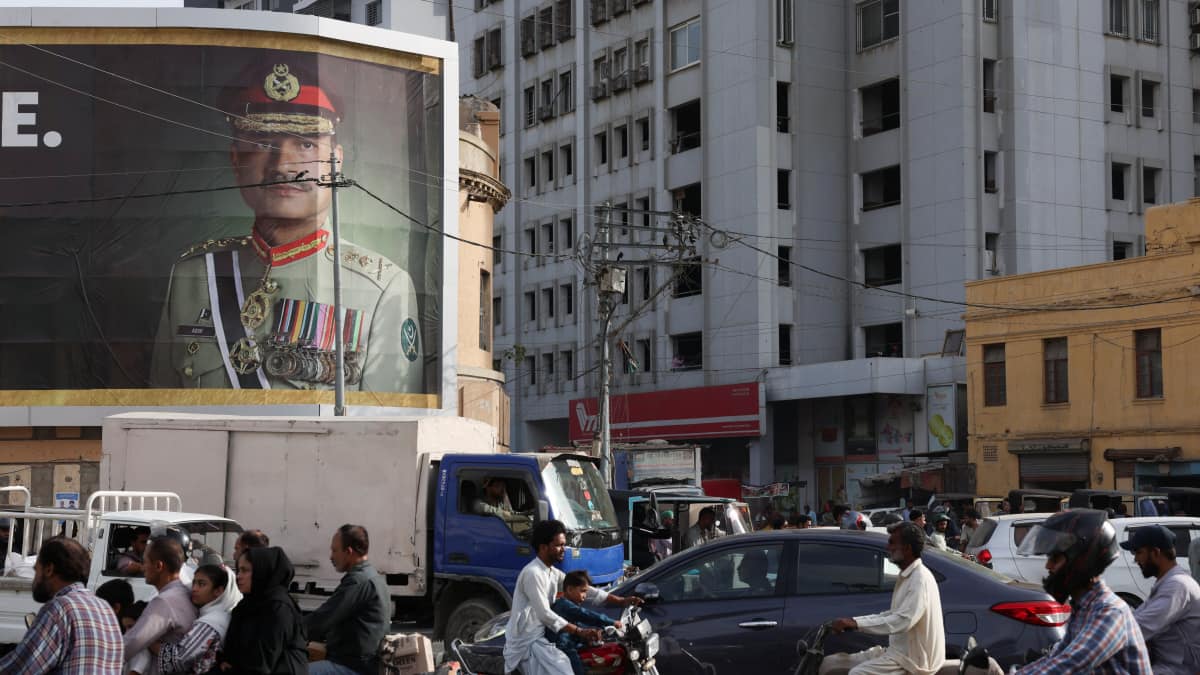
Pakistan Parliament Passes Defence Act Expanding Asim Munir’s Powers
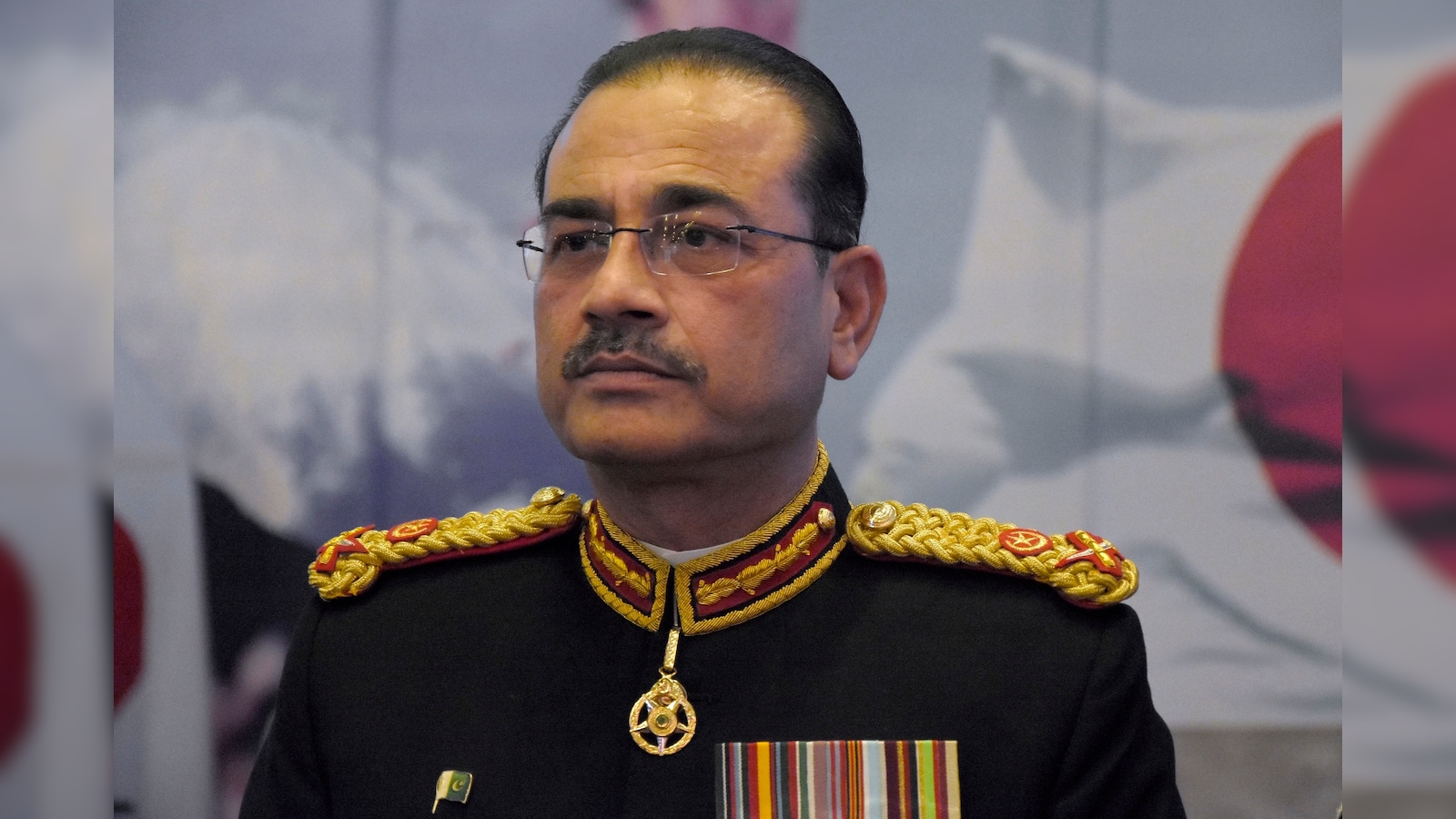
Pakistan's New Defence Law Expands Asim Munir's Power
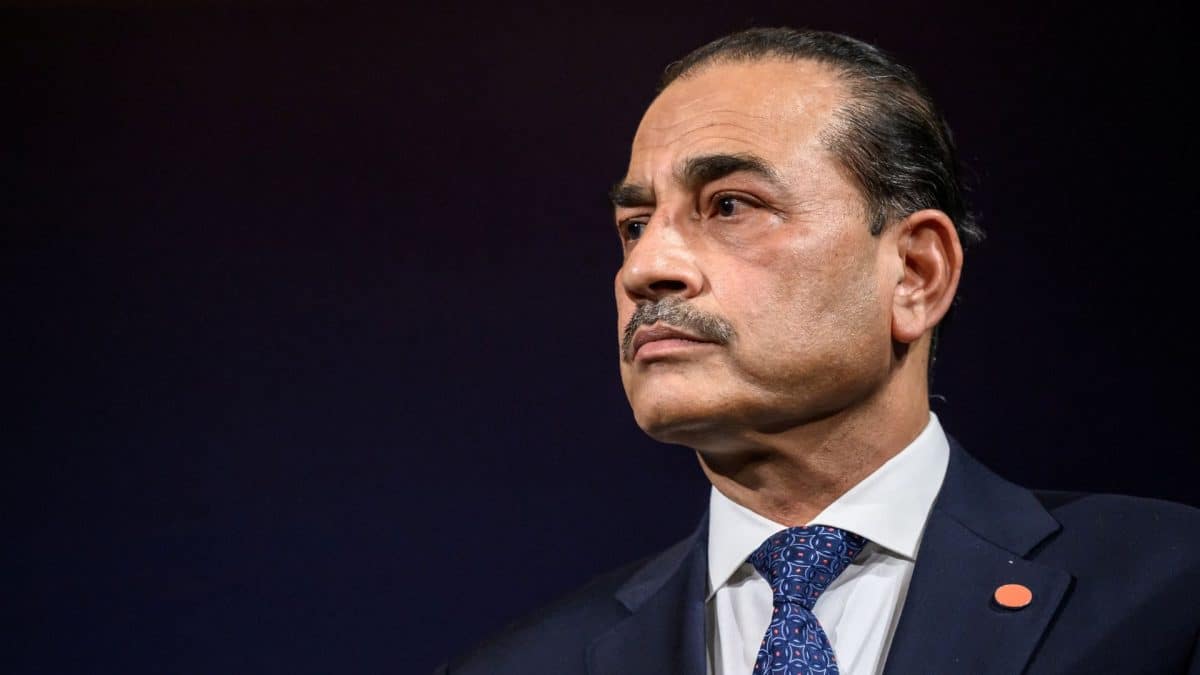
Pakistan army chief's NDMA visit sparks civilian-military uproar
Asim Munir Balances Iran Mediation With Pakistan’s Internal Strains

Sharma and Malik share halfway lead at Telangana Golconda Masters
India Replaces Sri Lanka as 2027 Women’s Champions Trophy Host
Centre Assures JDU Bihar’s Interests In Farakka Treaty Decision

India’s Record Wheat Harvest Opens $1.5 Billion Export Window

West Bengal CM Crushes Nearly 2 Lakh Seized Syrup Bottles