

2 weeks ago
Many Lives of Azadi: What Freedom Means to Gen Z
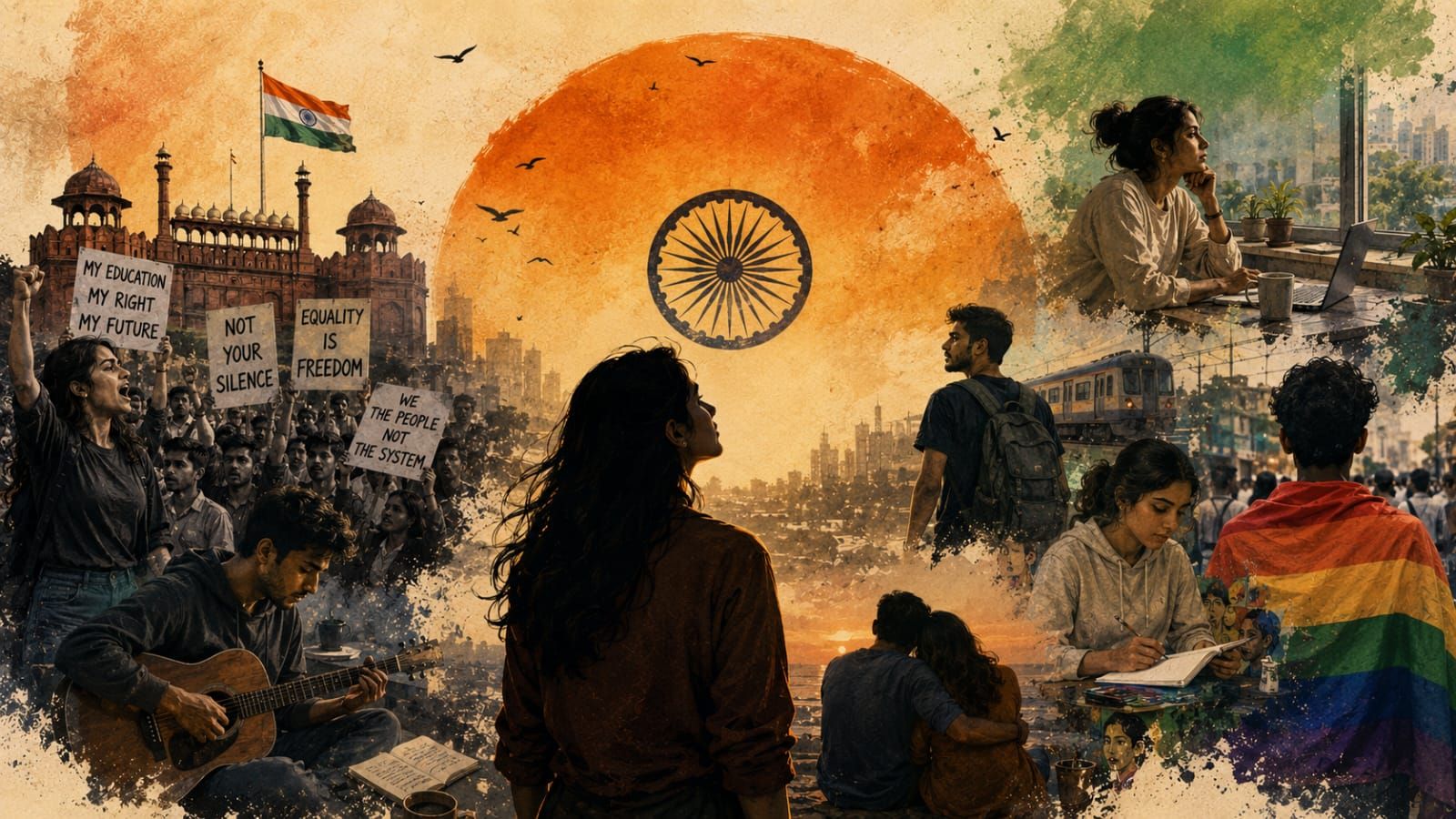
India celebrates the day it became free from British rule in 1947.
The Hindi word for freedom is 'azadi'.
This article is about what that word means to young people today, a group called Gen Z. A long time ago, azadi meant being free from the British Empire.
Today, many young Indians use azadi to mean freedom from unfair treatment, like discrimination or inequality.
It can mean being free to choose your own job instead of the one your parents picked.
It can also mean having the chance to study, earn money, and be treated with respect at work.
Some young people learned about freedom from movies and songs, like the film 'Gully Boy'.
Others learned about it from protests, like the ones about a big exam called NEET.
The article says different people have different ideas of freedom, and understanding each other's struggles is what connects them.

An essay marking 79 years since India's Independence explores how the word 'azadi' has taken on new meanings for Gen Z.
Azadi evolved from a 1947 freedom-struggle slogan to chants by student leader Kanhaiya Kumar in 2016 and Gully Boy's 2019 song 'Azadi'.
The word resurfaced in recent protests over the NEET-UG paper-leak controversy, as young people demanded education reform.
For different young Indians, azadi means freedom from discrimination, inequality, parental expectations, caste identity, or simply the freedom to study and earn with dignity.
The article argues Gen Z's shared language of azadi comes from recognising each other's different struggles rather than sharing one struggle.
- Who
- Gen Z Indians and the essay's author, with references to student leader Kanhaiya Kumar
- What
- A reflective essay on how the word 'azadi' has evolved from the 1947 freedom struggle into a Gen Z demand for personal and social freedoms
- Where
- India, with Mumbai's chawls referenced through the Gully Boy song
- When
- 79 years after India's Independence in 1947, drawing on moments from 2016, 2019 and recent NEET-UG protests
- Why
- Because each generation redefines azadi; Gen Z asks what Independence should have made possible rather than what India was freed from
Azadi as Personal Freedom
Azadi as Basic Freedom
What freedom means to Gen Z
Azadi as Personal Freedom
For some young Indians, azadi means freedom from parental expectations, marriage timelines, caste identity and restrictive social norms — the freedom to decide one's own life.
Azadi as Basic Freedom
For others, azadi is more basic: the freedom to study when a family can afford to educate only one child, to earn enough to leave home, and to be treated with dignity at work.
Is Independence complete?
Azadi as Personal Freedom
Older narratives present India as a sovereign nation that won its freedom in 1947 and is already free.
Azadi as Basic Freedom
Gen Z believes India can still become freer and asks what Independence should have made possible, keeping azadi an ongoing demand.
Key facts
- Topic
- The evolving meaning of 'azadi' (freedom) for Gen Z, 79 years after India's Independence
- Location
- India
- Historical context
- India gained freedom in 1947 and became the world's largest democracy
- Key references
- Kanhaiya Kumar's 2016 chant; Gully Boy's 2019 'Azadi'; recent NEET-UG paper-leak protests
- Films discussed
- Rang De Basanti, Yuva, Lakshya, Aarakshan, Homebound
- Core theme
- Gen Z views azadi as freedom from discrimination, inequality, social expectations and broken systems
- Generational contrast
- Earlier generations met freedom through a narrow cultural pipeline; Gen Z grew up carrying competing narratives on smartphones
Quotes

Kanhaiya Kumar
Student activist who popularised the chant on television
“"Bhookhmari se azadi, haan. Bhedbhaav se azadi, haan. Pakshpaat se azadi. Hum leke rahenge azadi, tum kuch bhi kar lo…"”
 indianexpress.com
Sources
Related news

For Gen Z, Independence Day Freedom Means Living Without Fear

Gen Z Redefines Freedom: Choice, Safety, Peace Over History

What Freedom Really Means to Gen Z

Indian Gen Z Sees Little Meaning in Independence Day Freedom
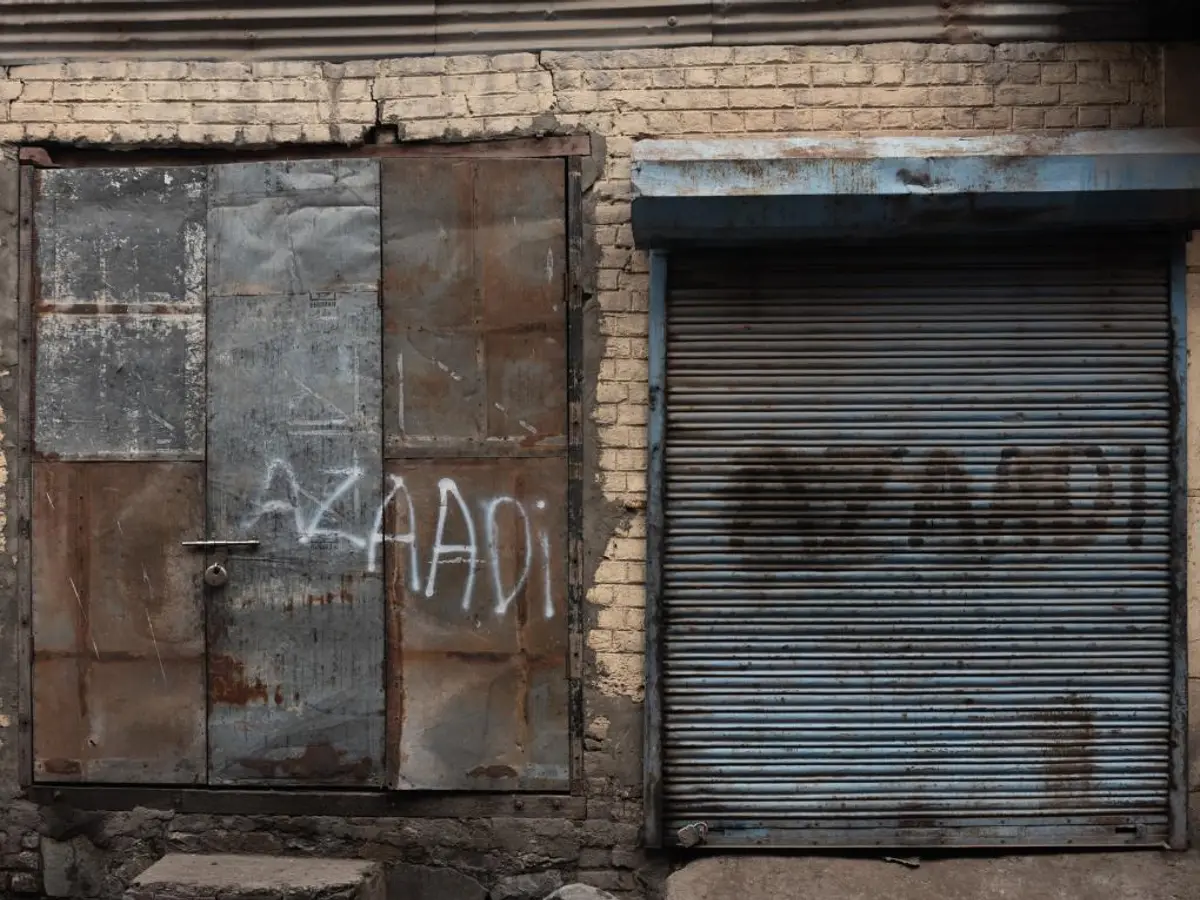
How 'Azadi' Evolved From Anti-Colonial Cry to Political Flashpoint

Vedika Pinto to Star Opposite Lakshya in Prosit Roy Thriller
Koffee With Karan Season 9 Guest List Remains Unconfirmed

Koffee With Karan 9 Rumored Guest List Sparks Buzz
Hindi cinema's two very different ways of loving India

Lakshya, 'Raakh' director Prosit Roy team for psychological romance
