

2 weeks ago
Nepal’s New Populist Government Faces Doubts Five Months On
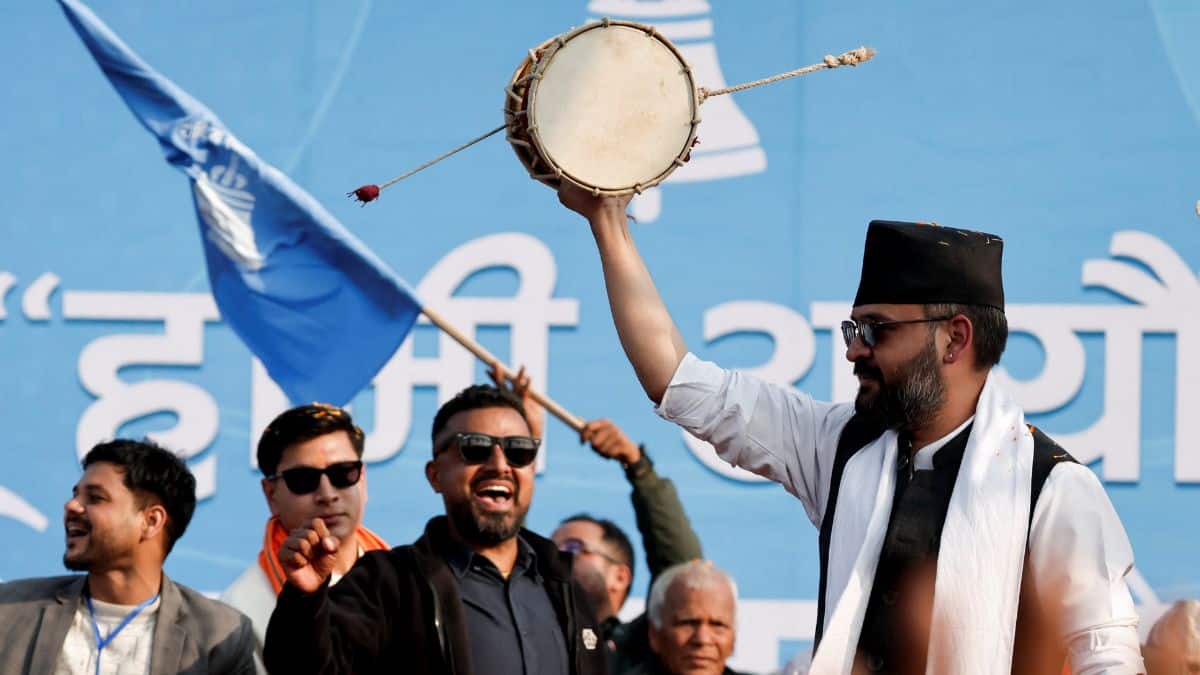
Balendra Shah became Nepal’s prime minister after many young people voted for him and his new party.
They wanted less corruption and faster improvements in their lives.
His government promised many changes, including cleaner government and fewer political appointments.
It also arrested some well-known figures and published officials’ asset statements.
However, critics say the government often makes decisions without enough open discussion in Parliament.
Young people still face expensive daily necessities and limited job opportunities.
Nepal’s older political parties have lost much of their support but have not disappeared.
Shah must now show that his movement can build trustworthy institutions, not just rely on his personal popularity.

Balendra Shah became Nepal’s youngest prime minister in March 2026 after his Rastriya Swatantra Party won 182 of 275 parliamentary seats.
Shah’s government promised 100 reforms, including fewer ministries, reduced political appointments and justice for those killed in the 2025 Gen Z protests.
The administration has faced criticism for using ordinances, postponing parliamentary sessions and limiting transparency around internal investigations.
Young supporters are increasingly concerned about scarce jobs, rising food and fuel costs, high education and health expenses, and slow results.
Nepal’s traditional parties have been weakened, while relations with neighboring India and China add pressure to Shah’s government.
- Who
- Prime Minister Balendra Shah, his Rastriya Swatantra Party government, young Nepali voters, traditional parties and neighboring India and China.
- What
- Shah’s populist government is facing growing doubts over its pace of delivery, transparency, institutional practices and economic results.
- Where
- Nepal, including demonstrations outside Singha Durbar in Kathmandu.
- When
- Shah took office in March 2026; concerns intensified five months later, including during protests in July.
- Why
- Young voters backed Shah after the September 2025 Gen Z uprising because they wanted to challenge corruption, nepotism, the social media ban and the established parties.
Government’s Case
Critics’ Case
Speed versus parliamentary scrutiny
Government’s Case
The government has pursued rapid reforms through ordinances and direct executive action to break with the old political system.
Critics’ Case
Critics argue that ordinances, postponed parliamentary sessions and limited debate weaken accountability and institutional oversight.
Anti-corruption measures
Government’s Case
Arrests of former leaders and business figures, asset disclosures and investigations are presented as evidence of a serious break with past practices.
Critics’ Case
Critics point to unpublished inquiries, pressure on independent bodies and selective handling of cooperative fraud cases as possible signs of double standards.
Economic promises
Government’s Case
Tax relief, higher exemptions, digital business registration and simplified customs procedures are intended to support middle-class households and businesses.
Critics’ Case
Many households remain dissatisfied because prices of food and fuel are rising, jobs remain scarce and the stock market has lost substantial value.
Key facts
- Prime minister
- Balendra Shah, the former Kathmandu mayor and structural engineer known as Balen.
- Parliamentary result
- The Rastriya Swatantra Party won 182 of the House of Representatives’ 275 seats.
- Reform agenda
- The government introduced a 100-point program covering ministries, political appointments, bureaucracy and protest-related justice.
- Economic pressure
- The article says the stock-market decline erased nearly Rs 600 billion in value within months.
- Traditional parties
- The Nepali Congress won 38 seats and the CPN-UML won 25 seats, according to the article.
- Public concerns
- Critics cite rising essential costs, scarce employment, high private education and health costs, and limited parliamentary scrutiny.
Sources
Related news
Nepal Opposition Leader Warns Gen Z Anger Was Long-Building
Nepal's Gen Z Protests Bring Unexpected Violent Political Change
Nepal Child Rape-Murder Sparks Protests Against PM Balen Shah
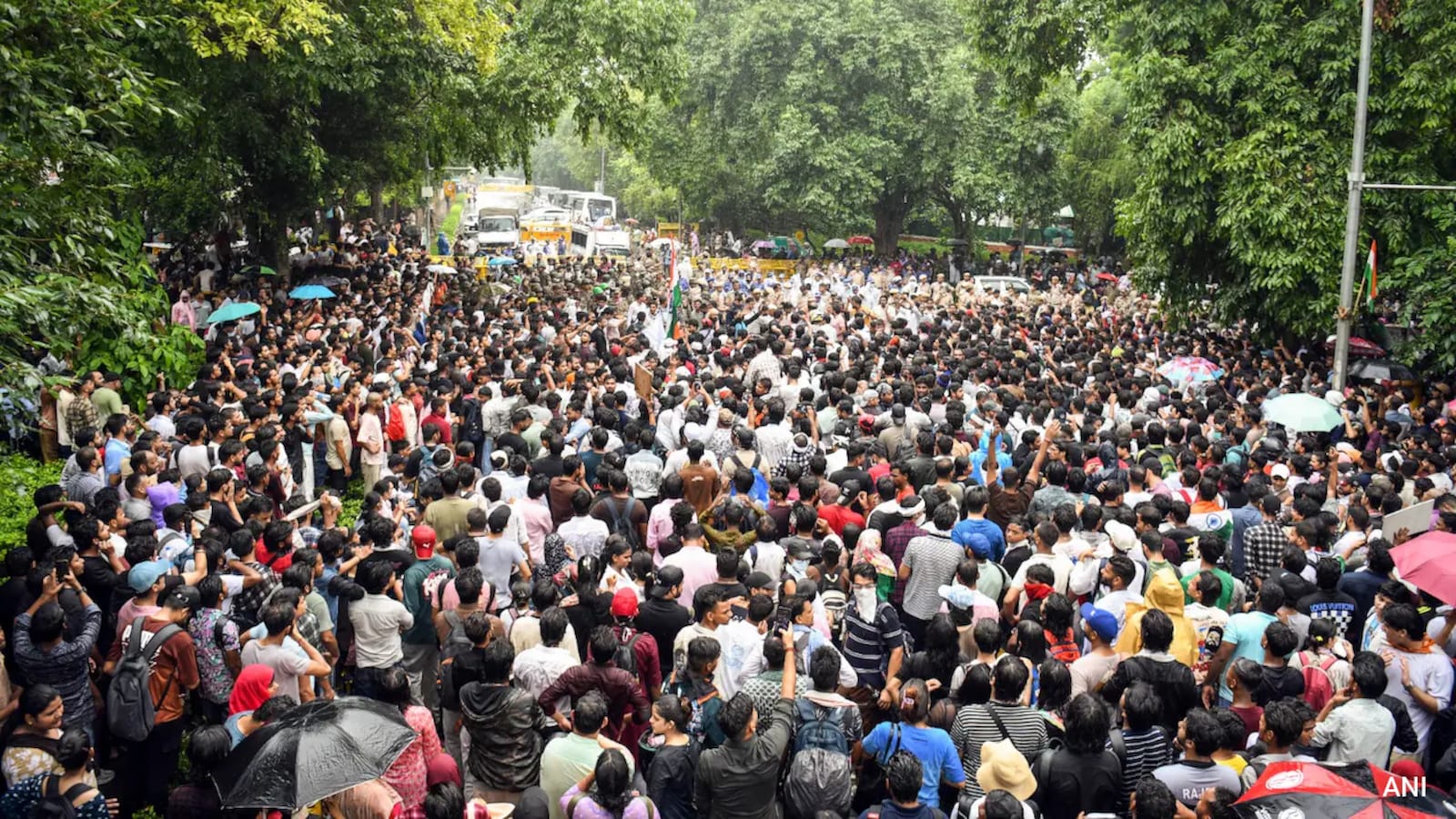
Nepal's Gen Z Protests Offer India Lessons, Journalist Argues
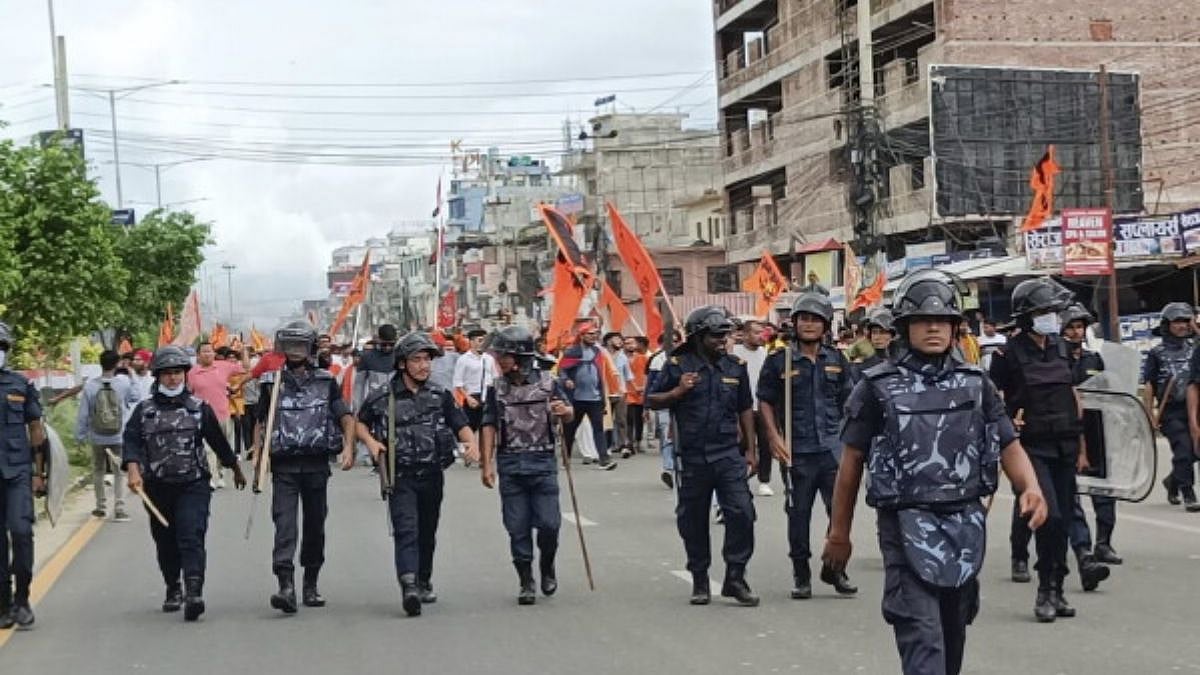
Nepal’s Communal Violence Tests Balendra Shah’s New Government
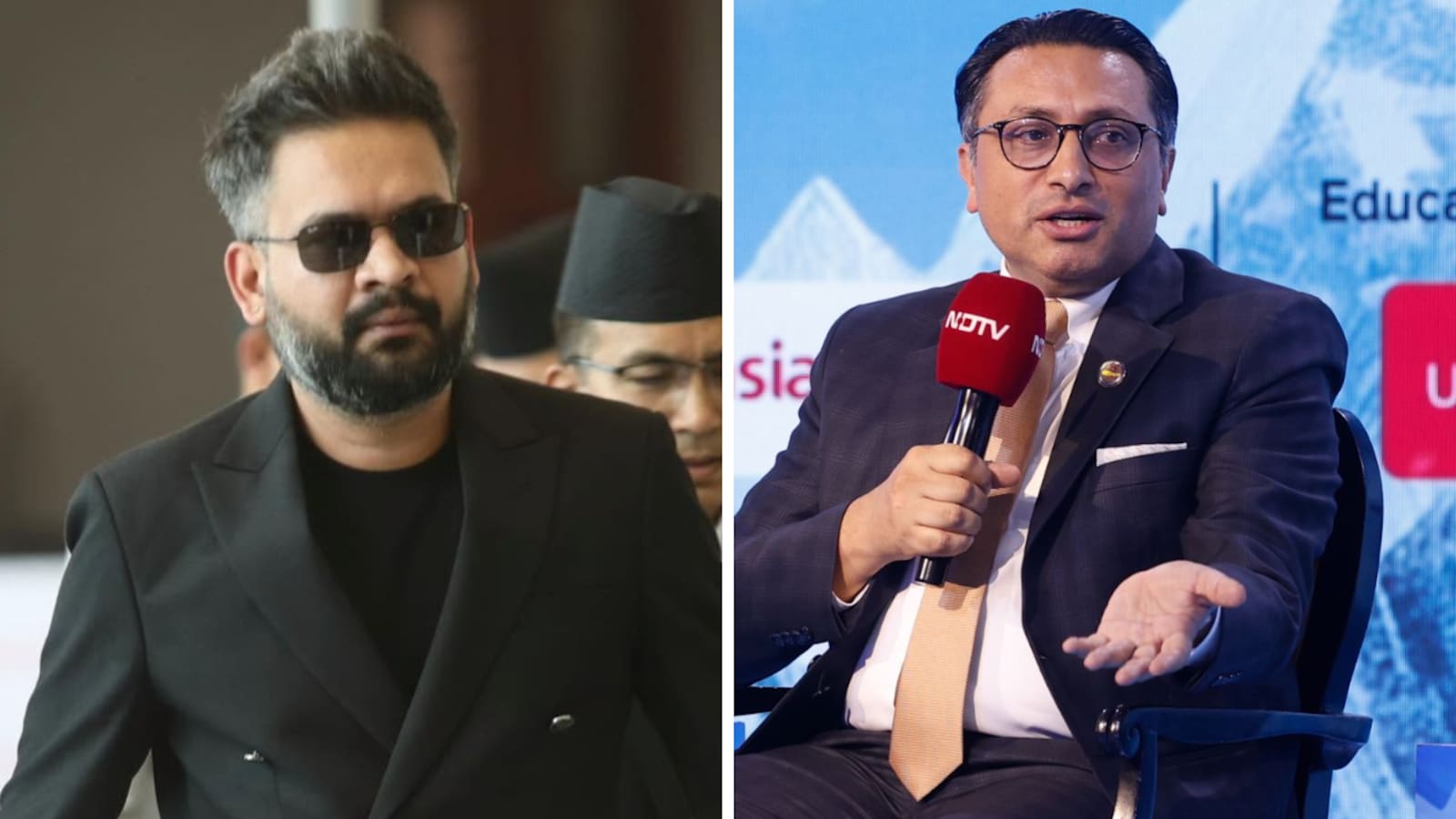
Nepal Says Balen Shah’s First Foreign Visit Will Be India
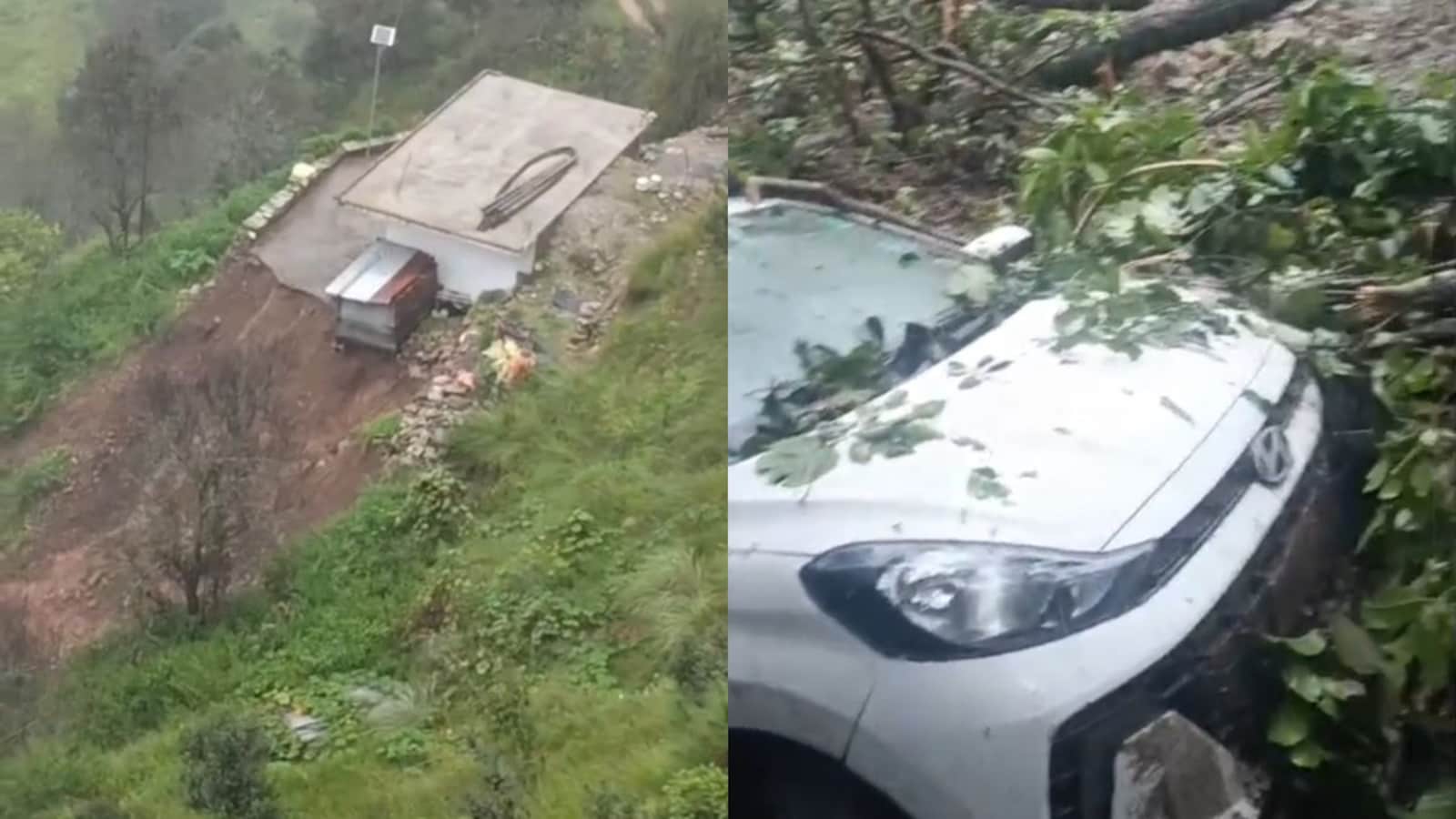
Landslides Threaten Nainital Homes as Uttarakhand Rain Continues

Flash Flood Devastates Nepal's Bhotekoshi River Region
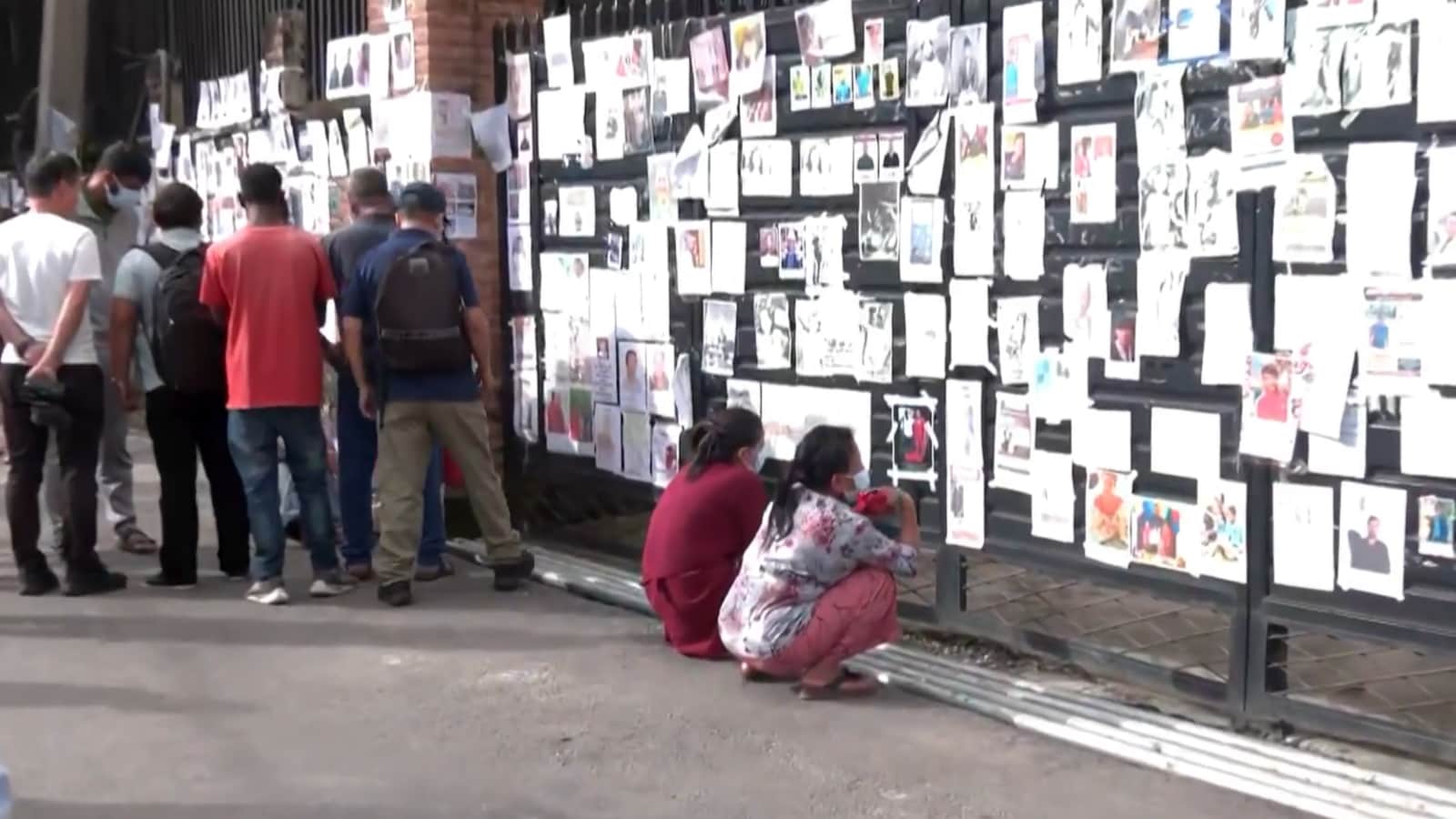
Nepal Families Seek Missing Loved Ones After Deadly Flash Floods

Nepal Flood Death Toll Passes 1,200 Amid Ongoing Search

Nepal Flood Death Toll Tops 1,200 as Searches Continue