57 mins ago
Why Highway Operators Are Turning to AI as Networks Expand

India is building more highways, but those roads also need to be watched and managed.
There may be too many cameras and too much traffic for people to monitor everything themselves.
AI can watch video feeds and look for dangerous events.
It can spot things such as speeding, wrong-way driving, crashes, stalled vehicles and unusual traffic.
When it finds a problem, it can quickly alert a control room.
This may help emergency teams begin responding sooner, especially on fast roads and in tunnels.
People are still needed to check alerts and handle the response.
AI will work best if highways have reliable power, internet connections, maintained cameras and systems that can share information.

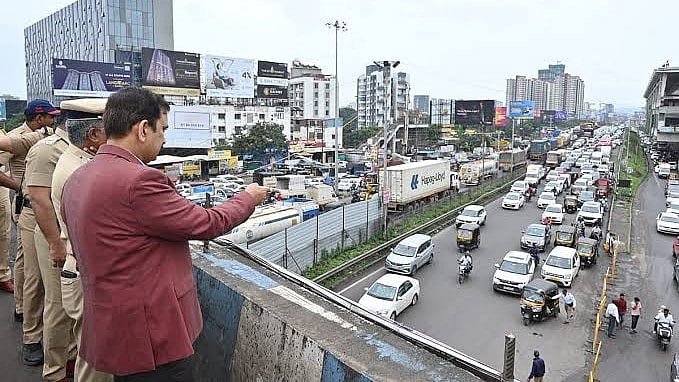
India’s expanding highway network is increasing pressure on operators to monitor traffic, violations, breakdowns and accidents.
AI systems can analyse live video to detect speeding, wrong-way driving, stalled vehicles, accidents, congestion and other hazards.
Faster alerts may help control rooms and emergency teams respond more quickly, especially on expressways and in tunnels.
Industry executives say AI reduces repetitive manual monitoring but does not replace human oversight or response teams.
High costs, unreliable connectivity, equipment maintenance and a lack of common data-sharing standards remain barriers to wider adoption.
- Who
- Indian highway authorities, operators, traffic management centres, emergency services and police, with input from Vehant Technologies and Capital Infra Trust executives.
- What
- Highway operators are considering AI, machine learning, computer vision and automated traffic management systems to monitor roads and detect incidents.
- Where
- Across India’s highways, including high-speed expressways and tunnels.
- When
- As India accelerates highway construction and its network becomes longer and busier.
- Why
- To reduce the burden of continuous manual monitoring, detect violations and incidents faster, and improve traffic and emergency response.
Key facts
- Main technologies
- Artificial intelligence, machine learning, computer vision and automated traffic management systems.
- Detectable violations
- Overspeeding, wrong-way driving, lane violations, mobile phone use, seatbelt violations, triple riding and helmet violations.
- Detectable incidents
- Accidents, stalled vehicles, road blockages, abandoned objects, pedestrians or animals on highways, smoke, fire and abnormal congestion.
- Primary benefit
- Earlier alerts to control rooms and potentially faster coordination of assistance.
- Most challenging locations
- High-speed expressways and tunnels, where incidents can quickly affect other road users.
- Key obstacles
- Installation and operating costs, unreliable power and connectivity, and maintenance of cameras and other field equipment.
- Standards needed
- Performance-based procurement, technical benchmarks, maintenance protocols and clearer data-sharing rules across agencies.
Quotes
Anoop G Prabhu
Co-Founder and CTO at Vehant Technologies
“Absolutely. AI has fundamentally changed how highways are monitored by enabling authorities to move from reactive to proactive incident management. AI continuously analyzes live video feeds to detect accidents, stalled vehicles, pedestrians or animals entering highways, roadside debris, wrongway driving, low-visibility conditions, and abnormal congestion in real time.”
 financialexpress.com
“What would really help is NHAI setting baseline tech standards for new projects, some support for retrofitting older highways, and clearer rules on how data gets shared across agencies so response isn’t held up by red tape.”
financialexpress.com
Sources
Related news
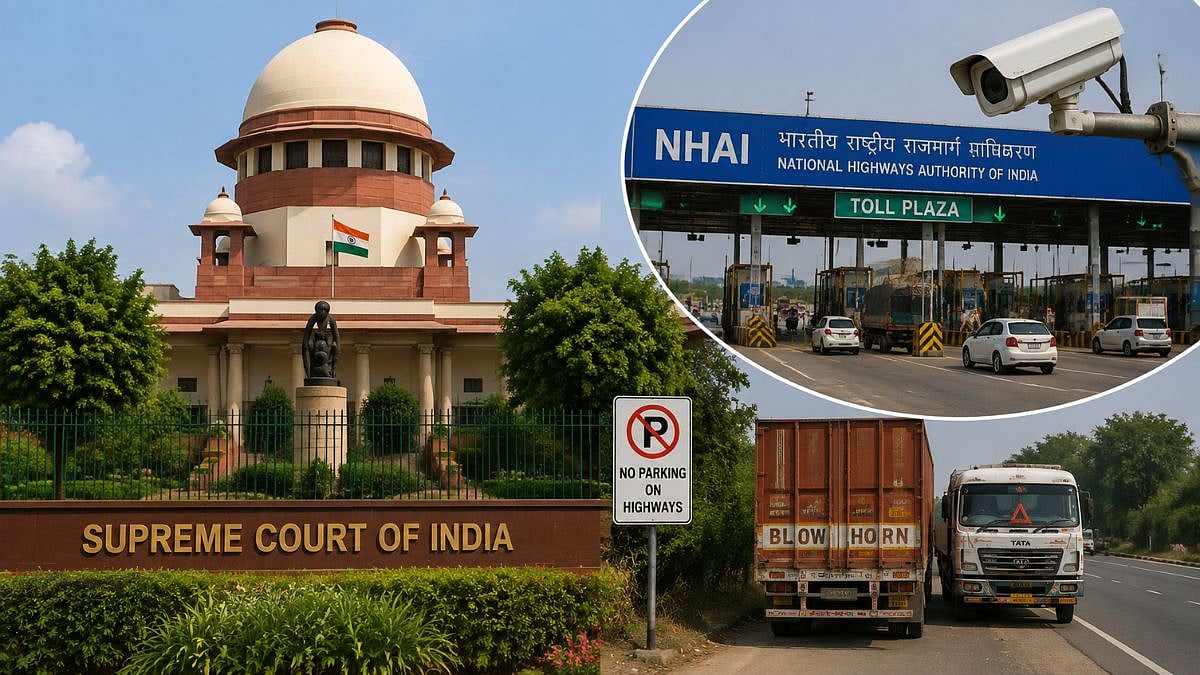
Supreme Court Presses NHAI on Highway CCTV and Encroachments
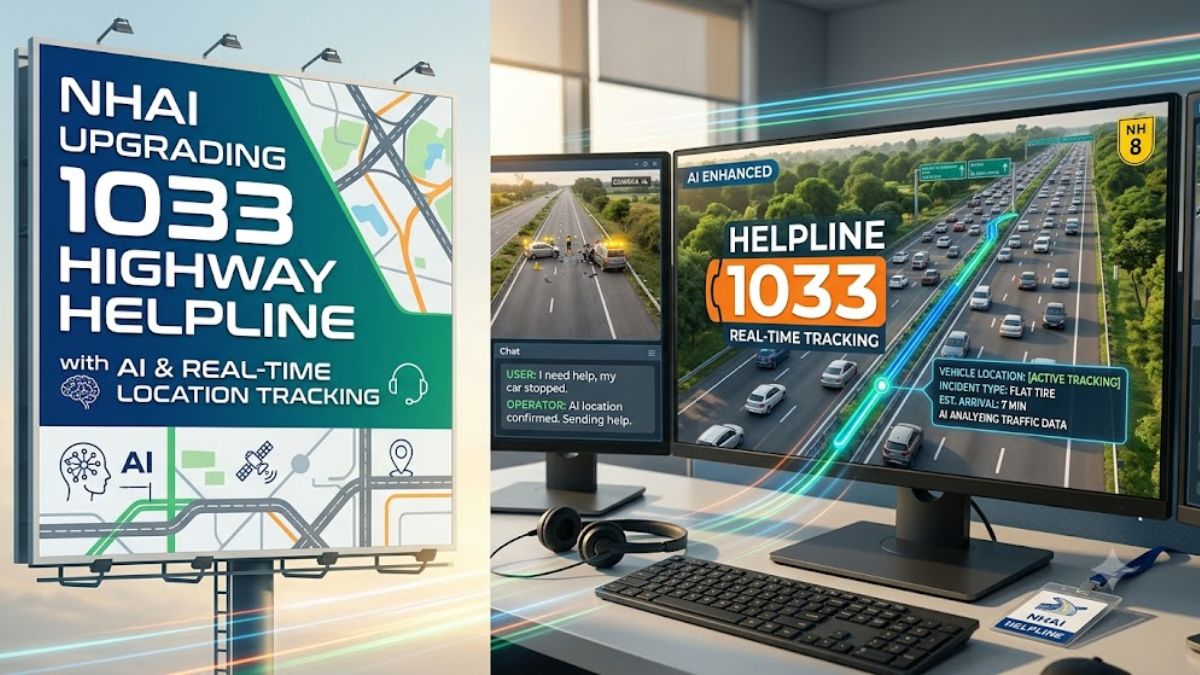
NHAI Plans AI Upgrade for Faster 1033 Highway Emergencies

Telangana Plans TG-TMARS System for Traffic Safety and Management
Nashik Plans AI Smart Signals Across 28 Junctions for Kumbh

India Plans Barrier-Free Highway Tolling by February or March 2027
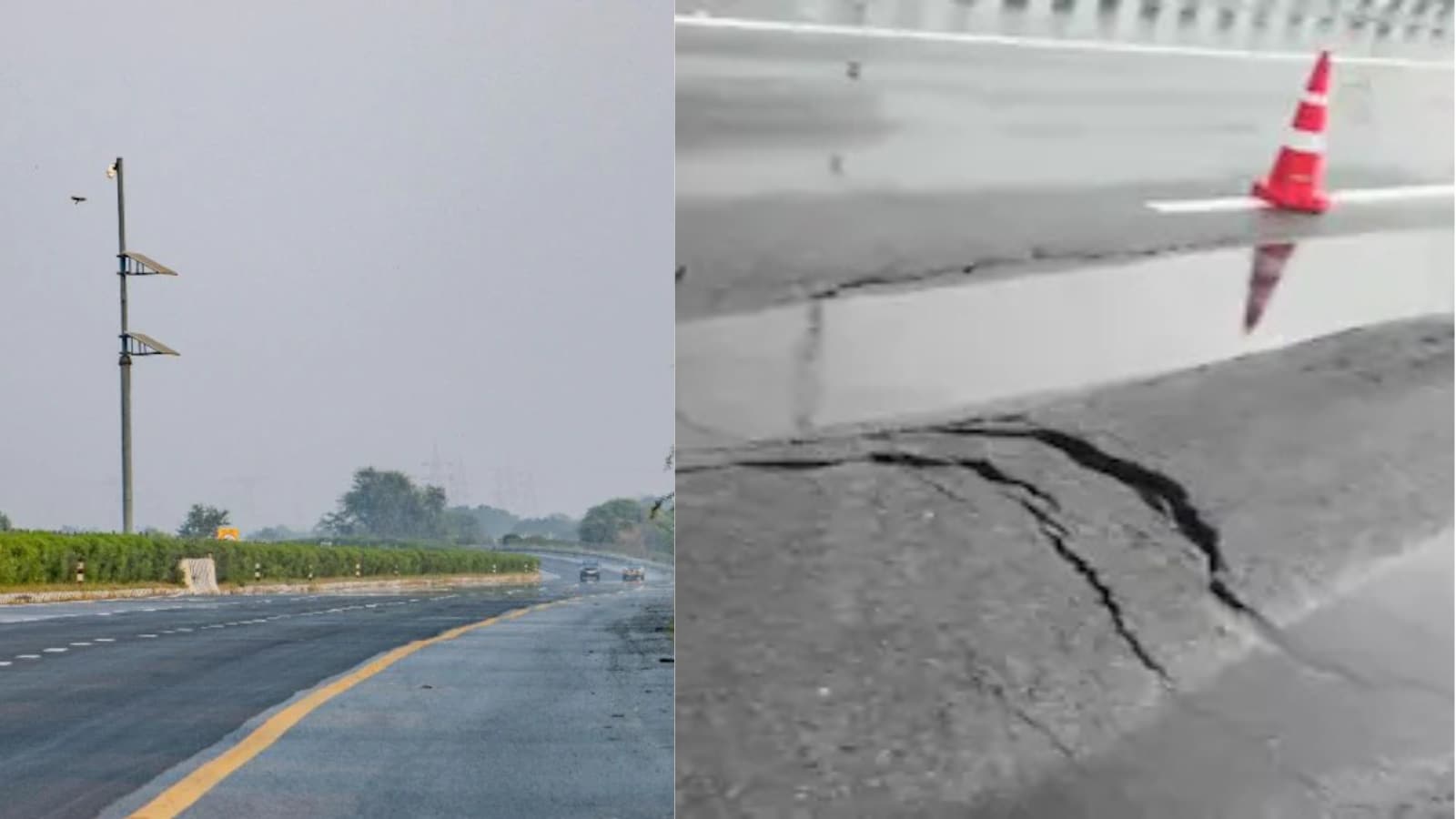
Firm Banned After Lucknow-Kanpur Expressway Section Caved In

PNC Infratech Shares Slump 17% After NHAI Debarment
Himachal Commission Orders HRTC to Pay ₹50,029 Over Fare

NHAI Extends PNC Infratech Debarment as Shares Hit Low