1 hr ago
BRICS Declaration Balances Rivalries While Elevating Global South
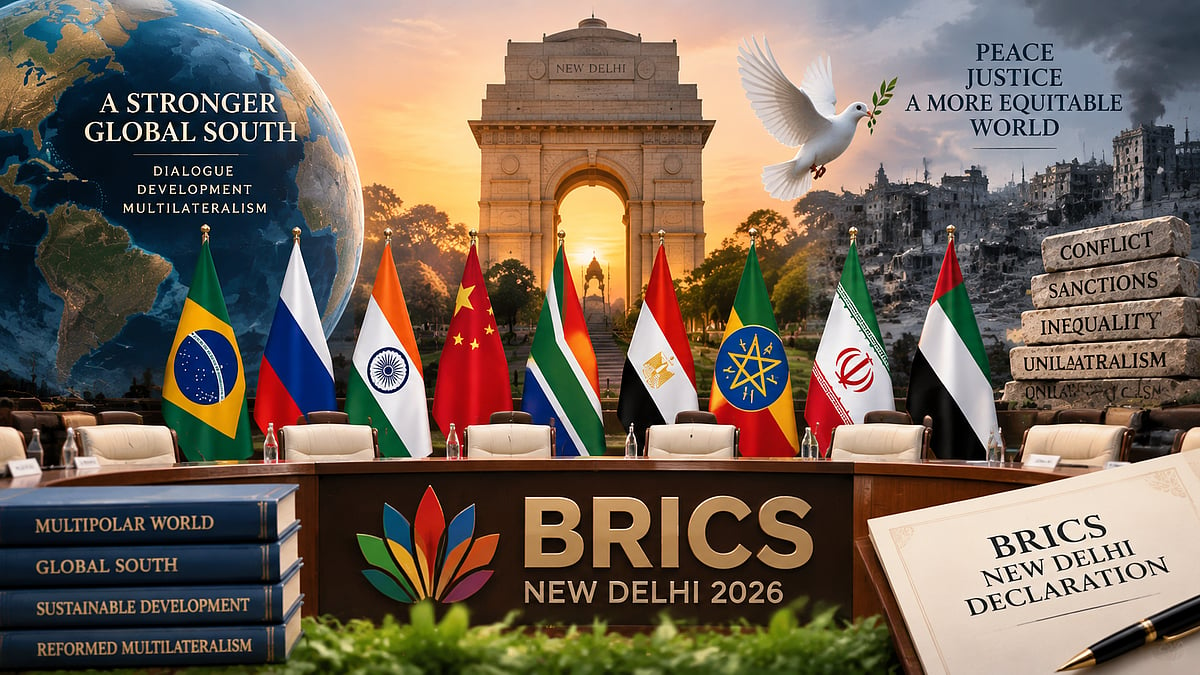
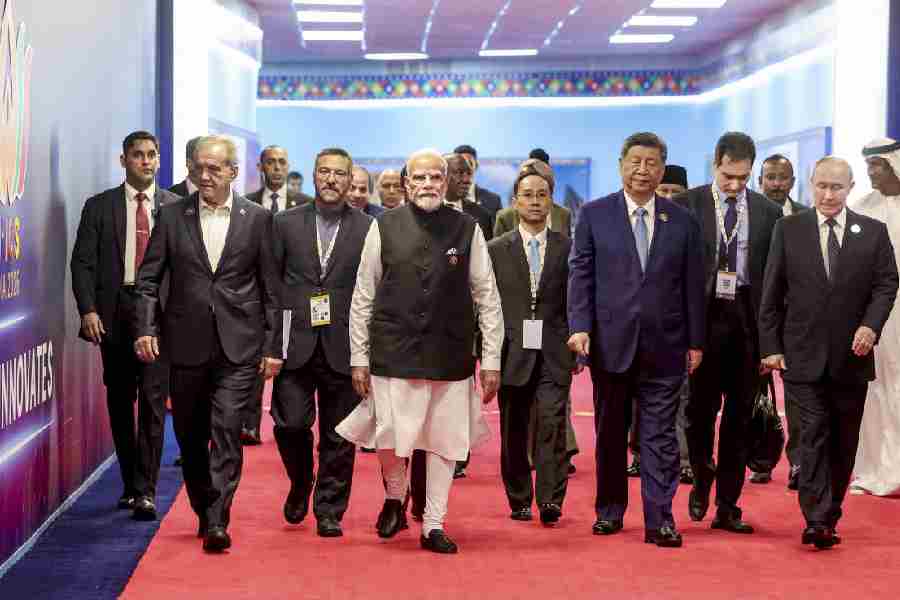
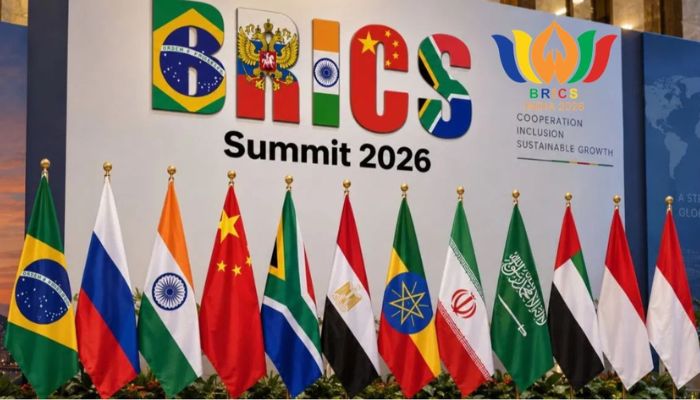
BRICS countries agreed on a declaration at a summit in New Delhi.
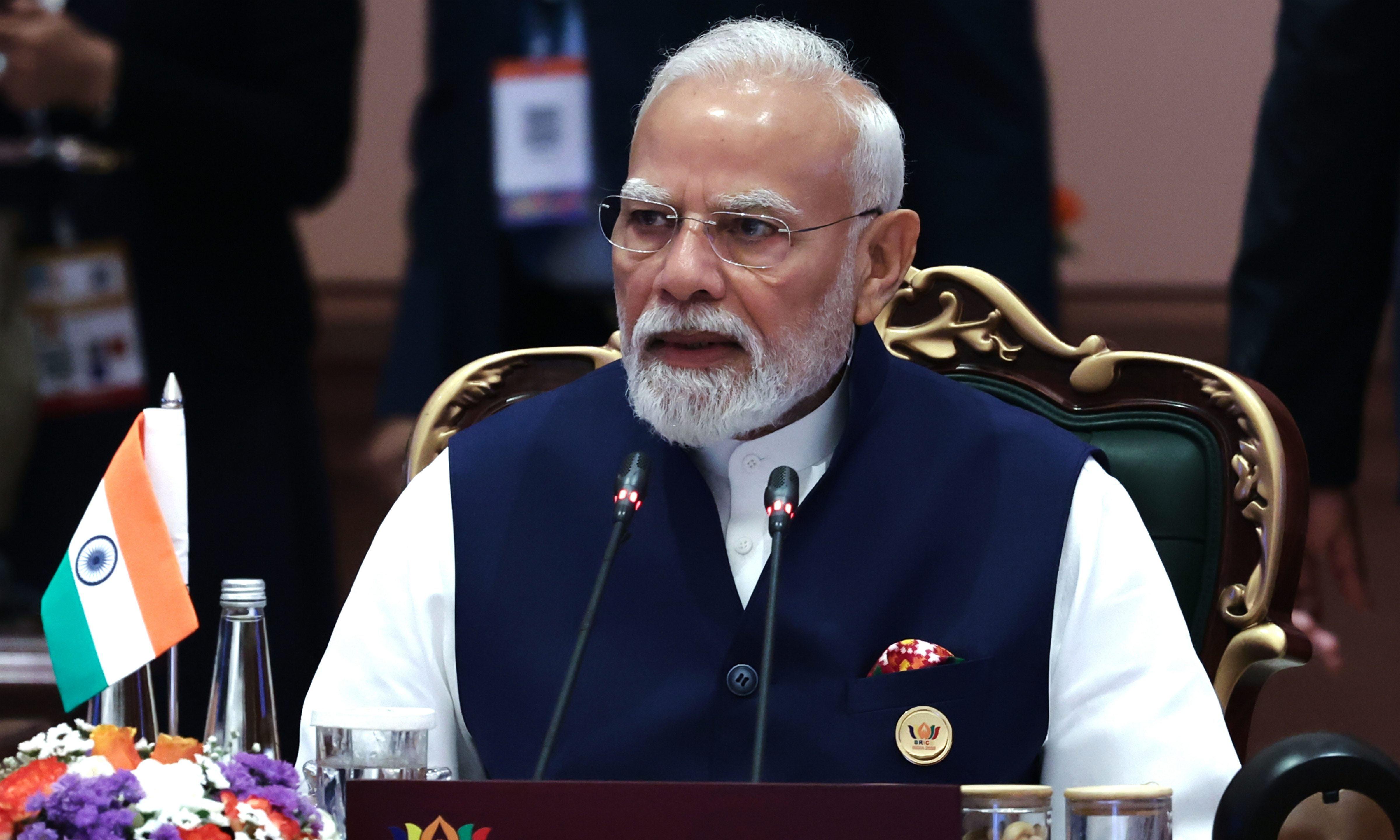
India helped negotiate the document among countries with very different interests.
The declaration criticizes sanctions, military occupation and restrictions on supplies.
It also discusses Palestine and Gaza, although it does not directly name the United States or Israel in its criticism of West Asia.
Iran and the United Arab Emirates supported the declaration despite their differences.
The document does not meaningfully discuss Ukraine.
Supporters say the agreement gives emerging countries a stronger voice.
Critics may see the agreement as hiding disagreements rather than solving them.

India steered the BRICS New Delhi Declaration through competing geopolitical interests and internal disagreements.
The declaration criticizes unilateral sanctions, military occupation, supply restrictions and President Donald Trump's trade policies without explicitly naming the United States or Israel over West Asia.
BRICS restated expectations concerning Palestine and Gaza, calling attention to hopes for a just resolution.
Iran and the United Arab Emirates signed the declaration despite continuing regional tensions, while Ukraine received no meaningful mention.
The document promotes multilateral reform and Global South representation but does not immediately replace Western financial dominance or resolve major conflicts.
- Who
- BRICS member states, with India leading the negotiations; Iran and the United Arab Emirates also signed the declaration.
- What
- BRICS adopted the New Delhi Declaration, emphasizing multilateral reform, Global South representation and expectations concerning Palestine and Gaza.
- Where
- New Delhi, India.
- When
- At the BRICS New Delhi summit; no specific date is provided.
- Why
- To maintain consensus among countries with competing geopolitical interests while advancing structural demands from emerging economies.
Diplomatic Achievement
Unresolved Contradictions
Consensus among divided members
Diplomatic Achievement
Supporters say India successfully brought countries with competing interests, including Iran and the United Arab Emirates, behind a common declaration.
Unresolved Contradictions
Critics argue that the agreement mainly papered over differences, including tensions involving Iran, the United Arab Emirates, Saudi Arabia and Tehran.
Criticism of Western policies
Diplomatic Achievement
Supporters say the declaration challenges unilateral sanctions, military occupation, supply restrictions and other aspects of Western-dominated systems while elevating the Global South.
Unresolved Contradictions
Critics note that the document avoids an explicit denunciation of the United States and Israel over the devastation in West Asia and relies on broad demands rather than immediate action.
Scope of the declaration
Diplomatic Achievement
Supporters view the text as a diplomatic pressure valve that can shape global agendas without fracturing BRICS.
Unresolved Contradictions
Critics point to the absence of meaningful mention of Ukraine and argue that the declaration does not resolve major conflicts or replace Western financial supremacy.
Key facts
- Document
- BRICS New Delhi Declaration
- Host and negotiator
- New Delhi, India
- Regional issues addressed
- Palestine and Gaza, West Asia and regional tensions
- Criticized policies
- Unilateral sanctions, military occupation, supply restrictions and Donald Trump's trade policies
- Signatories noted
- Iran and the United Arab Emirates
- Not meaningfully mentioned
- Ukraine
- Broader purpose
- Channeling emerging economies' grievances into demands for multilateral reform
Sources
Related news
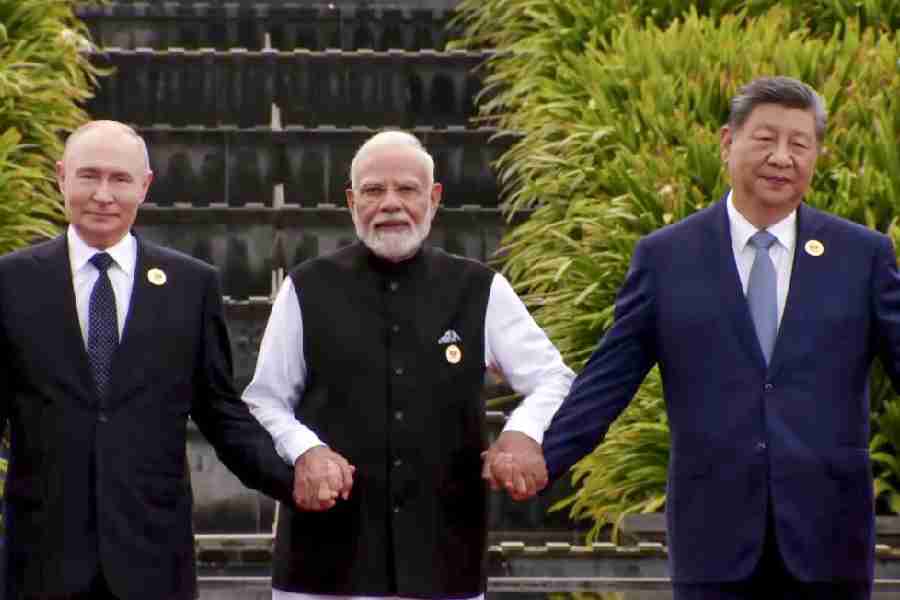
BRICS Reaches New Delhi Consensus Despite Iran-UAE Divisions
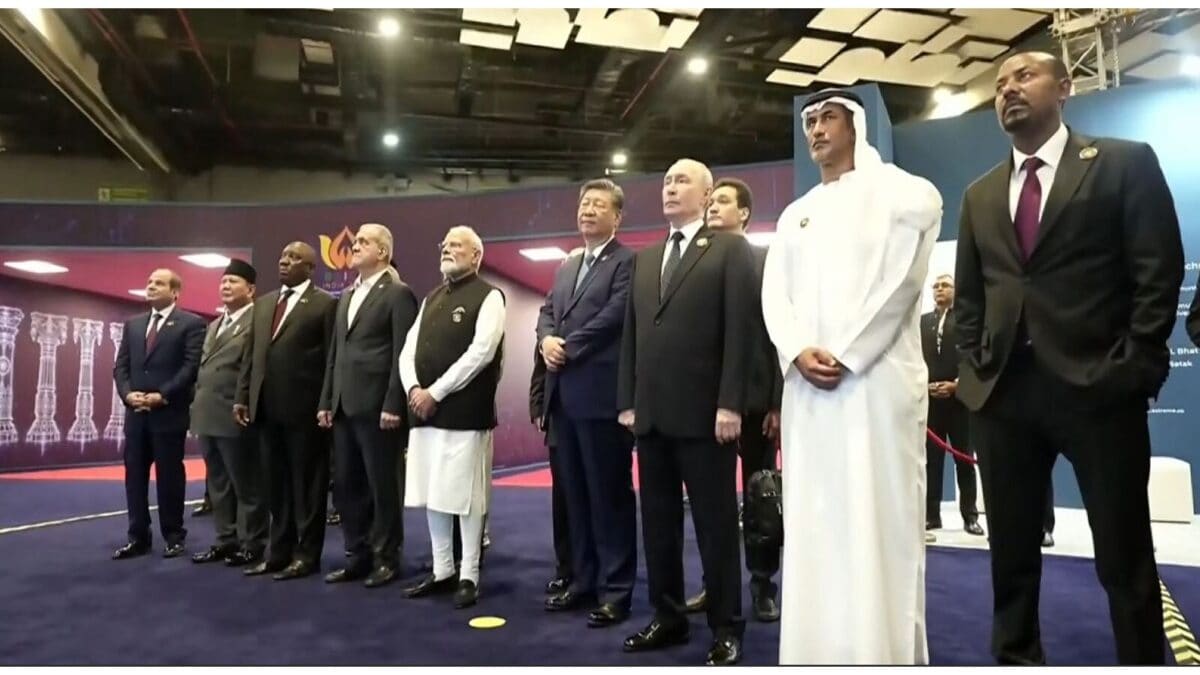
India Secures Unanimous BRICS Declaration After Overnight Diplomacy
BRICS Adopts New Delhi Declaration, Avoids Ukraine Mention

BRICS Reaches Draft Declaration Ahead of New Delhi Summit

BRICS Adopts New Delhi Declaration Despite West Asia Divisions
BRICS Adopts New Delhi Declaration Amid Global Divisions
Trump Urges Zelensky to Halt Strikes on Russian Fuel
India's BRICS Summit Diplomacy Raises Global Influence, Domestic Challenges
Trump Urges Ukraine to Halt Strikes on Russian Fuel
Trump Urges Zelenskyy to Halt Strikes on Russian Diesel