23 mins ago
India's BRICS Summit Diplomacy Raises Global Influence, Domestic Challenges
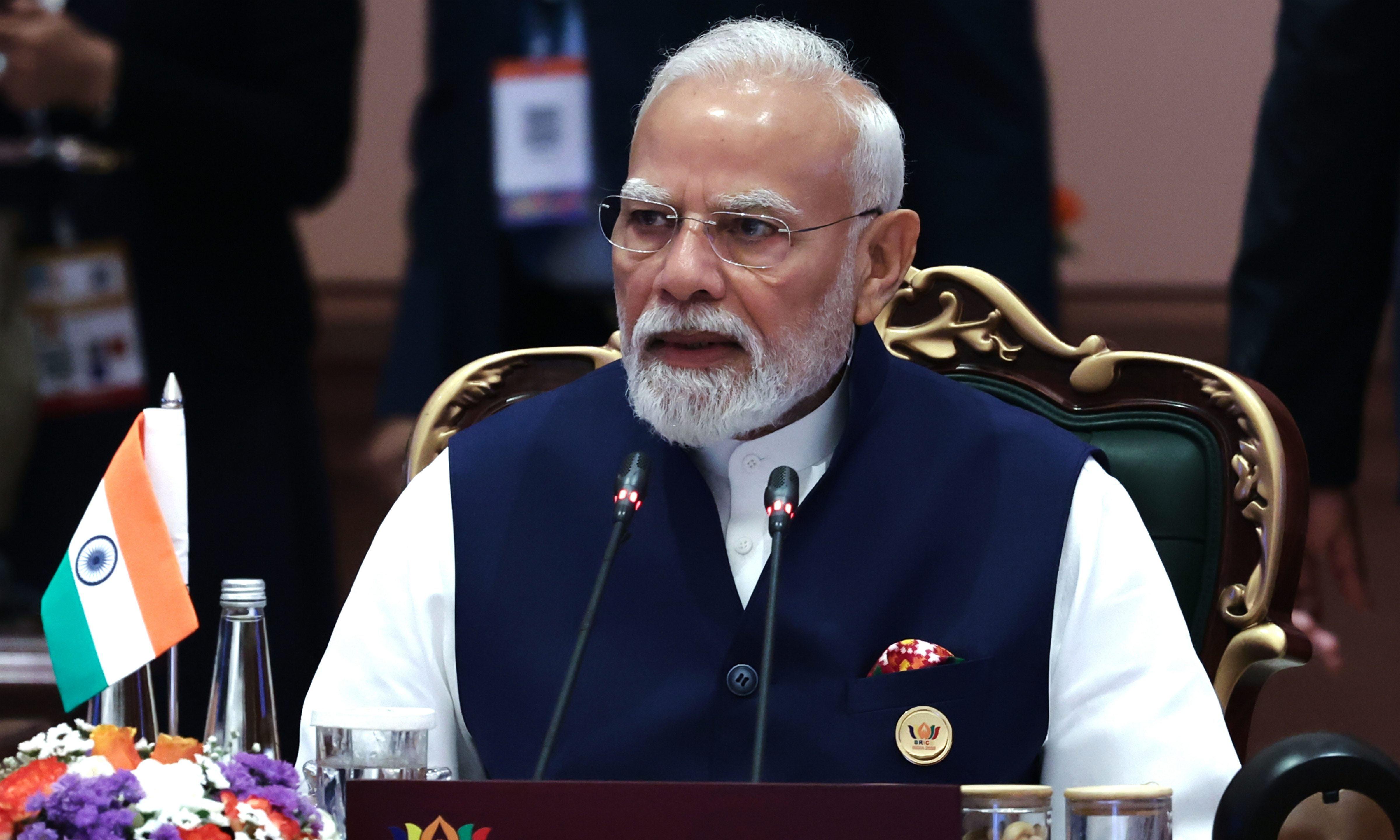
India hosted a large meeting called the BRICS summit.
Eleven member countries and ten partner countries signed a joint statement.
The countries do not agree on everything, especially about wars and relations with the West.
Russia’s presence made it difficult for the statement to strongly condemn the war in Ukraine.
The meeting also criticized tariffs, sanctions and other tools used by powerful countries.
India was praised for bringing the countries together.
However, India still has disagreements with China and trade deficits with some members.
The government must now turn the summit’s promises into better trade, jobs and welfare at home.

India hosted a two-day BRICS summit attended by 11 member nations and 10 partner countries.
The summit produced a joint declaration despite disagreements involving Russia, China and India.
The declaration criticized aspects of a Western-dominated global order but did not unequivocally condemn ongoing wars.
Prime Minister Narendra Modi’s diplomacy helped India project an enhanced image in an increasingly multipolar world.
India still faces unresolved tensions with China and trade deficits with several BRICS members.
- Who
- India, Prime Minister Narendra Modi, the 11 BRICS member nations and 10 partner countries participated in the summit; United Nations Secretary-General António Guterres also attended the open session.
- What
- The summit produced and signed a joint declaration while addressing global geopolitics, economic cooperation and concerns about the existing world order.
- Where
- India hosted the summit; the articles do not specify the venue.
- When
- The summit took place over two days; the articles do not specify dates.
- Why
- The meeting was held as BRICS gains economic and political relevance amid conflicted geopolitics and concerns among Global South countries about Western dominance, tariffs and sanctions.
Diplomatic Achievement
Unresolved Concerns
Joint declaration
Diplomatic Achievement
Supporters view the signing by 11 members and 10 partner countries as a significant diplomatic success showing that BRICS has matured into an influential forum.
Unresolved Concerns
Critics argue the declaration did not go far enough in unequivocally condemning wars affecting the global economy.
BRICS and the global order
Diplomatic Achievement
The summit gave the Global South a platform to challenge Western dominance in decision-making, tariffs and sanctions.
Unresolved Concerns
The grouping’s internal contradictions, including the presence of countries involved in opposing sides of major wars, limit how far it can act collectively.
India’s national interests
Diplomatic Achievement
Hosting the summit enhanced India’s image in a world becoming more multipolar and created opportunities for bilateral follow-up.
Unresolved Concerns
India may have sacrificed attention to its own trade interests, while tensions with China and trade deficits remain unresolved.
Key facts
- Host country
- India
- Participants
- 11 BRICS member nations and 10 partner countries
- Main outcome
- A signed joint declaration
- Diplomatic focus
- Global geopolitics, the Global South and the existing world order
- India-China issue
- Disagreement over whether broader ties should advance before peace and tranquility at the LAC
- Economic challenge
- Trade deficits with various BRICS members
- Russian attendance
- Vladimir Putin attended his first BRICS summit since Russia invaded Ukraine in 2022
Sources
Related news

India's BRICS Summit Tests Diplomatic Reach Amid Global Uncertainty

India Seeks Global South Voice Without Making BRICS Anti-West

BRICS Gives India Strategic Room to Maneuver

India Puts Global South at Centre of BRICS Summit

Tharoor Defends BRICS Value After Chidambaram Questions Benefits
India Faces Challenge of Leading a Fractured BRICS
BRICS Vegetarian Dinner Menu Sparks Political Debate in India

Pezeshkian urges BRICS to challenge Western economic dominance

Mandaviya To Lead Talks On Hockey India League's Uncertain Future
Khera Challenges Shastri’s BRICS Praise With 2012 Reminder
Attack on Vessel Off Oman Leaves One Indian Missing