57 mins ago
BRICS Adopts New Delhi Declaration, Avoids Ukraine Mention
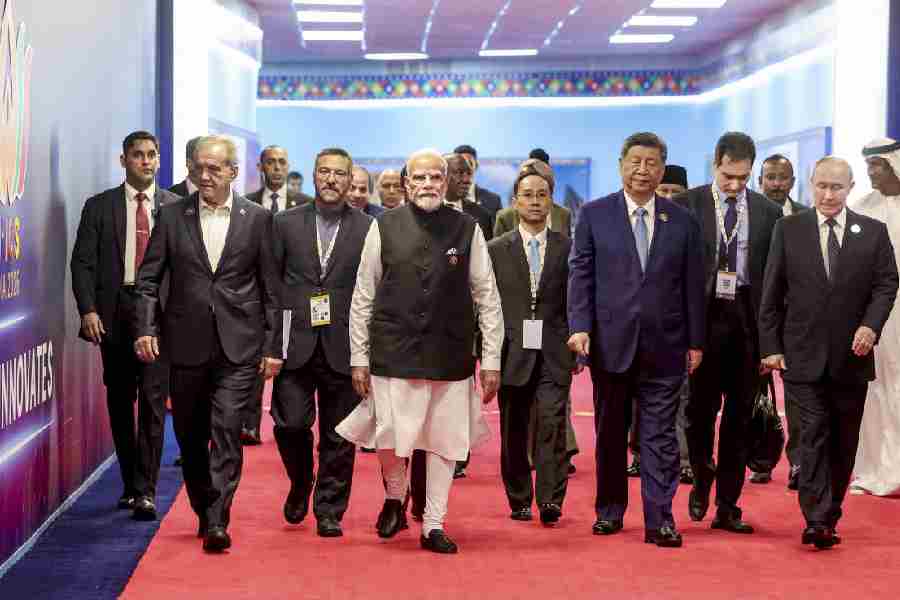
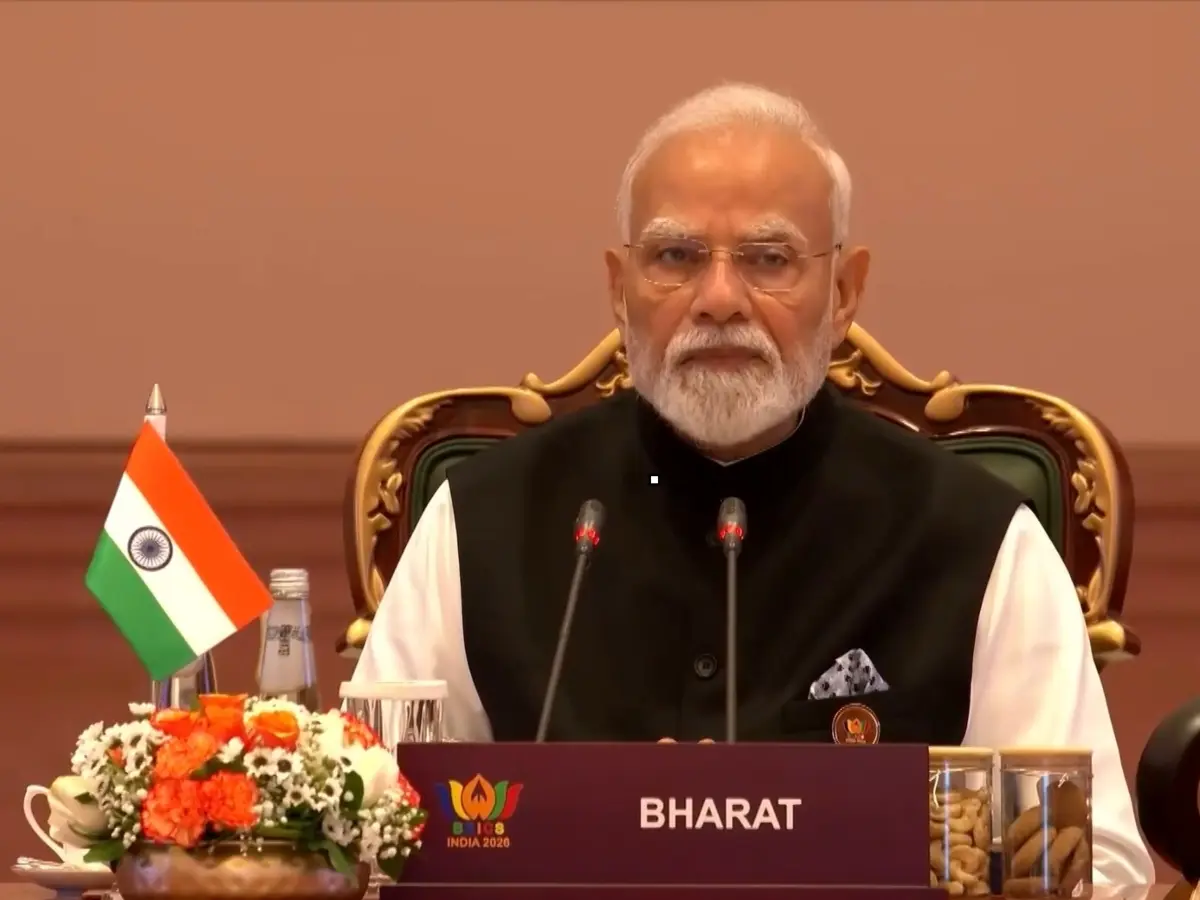
BRICS countries agreed on a joint document called the New Delhi Declaration.
They had to work through disagreements involving Iran, the United Arab Emirates and Saudi Arabia.
The document called for less fighting and more diplomacy in West Asia.
It also asked countries to protect civilians and important civilian buildings.
The declaration did not directly mention the war between Russia and Ukraine.
Instead, it spoke generally about conflicts and problems in the world’s international system.
BRICS countries criticized sanctions imposed by individual countries.
Prime Minister Narendra Modi called for more influence for developing countries in global decision-making.
The Indian National Congress said India’s actions did not fully match its statements.

BRICS members adopted the 45-page New Delhi Declaration after working through differences involving Iran, the United Arab Emirates and Saudi Arabia.
The declaration condemned the continued escalation of tensions in West Asia and urged restraint, civilian protection, dialogue and diplomacy.
It did not mention Ukraine directly, instead expressing concern about conflicts, global polarisation and fragmentation in the international order.
BRICS opposed unilateral coercive measures, including economic and secondary sanctions, arguing they harm vulnerable populations and undermine international law.
Prime Minister Narendra Modi called for reforms to global governance, while the Indian National Congress criticized the government’s diplomatic record.
- Who
- The BRICS nations, Prime Minister Narendra Modi, India’s BRICS Sherpa Sudhakar Dalela and the Indian National Congress.
- What
- BRICS adopted the 45-page New Delhi Declaration, addressing West Asian tensions, global conflicts, sanctions and international governance.
- Where
- At the BRICS summit in New Delhi, India.
- When
- The declaration was adopted on Saturday during the BRICS summit.
- Why
- Members sought a shared position despite differences over the Gulf conflict and emphasized restraint, diplomacy, civilian protection and opposition to unilateral sanctions.
Indian Government Position
Indian National Congress Criticism
BRICS consensus
Indian Government Position
India’s BRICS Sherpa Sudhakar Dalela said sustained engagement at multiple levels helped members forge a common-denominator consensus.
Indian National Congress Criticism
The Indian National Congress said the government had played a limited diplomatic role during the war in West Asia and had been unwilling to forge consensus between BRICS members.
Global South leadership
Indian Government Position
Narendra Modi argued that the Global South is heavily affected by global decisions but has too little influence over decision-making, and called for governance reforms.
Indian National Congress Criticism
The Congress said Modi had reiterated a position it had long advocated, but argued that declarations of solidarity must be accompanied by consistent and consequential action.
India’s regional diplomacy
Indian Government Position
The declaration’s calls for restraint, dialogue, civilian protection and diplomacy reflected the consensus that BRICS members could share despite differing national positions.
Indian National Congress Criticism
The Congress called for measures addressing what it described as perceived endorsement of attacks on BRICS member Iran and criticized India’s inadequate support for South Africa during diplomatic pressures.
Key facts
- Declaration
- The 45-page New Delhi Declaration was adopted by BRICS members.
- West Asia
- The declaration condemned the continued escalation of tensions and called for maximum restraint.
- Ukraine
- The declaration made no direct mention of Ukraine or the Russia-Ukraine war.
- Gulf differences
- Iran’s differences with the United Arab Emirates and Saudi Arabia complicated consensus-building.
- Sanctions
- BRICS condemned unilateral coercive measures, including unilateral economic and secondary sanctions.
- Global governance
- Narendra Modi called for reform of the United Nations Security Council and greater representation for countries driving global economic growth.
- Indian response
- The Indian National Congress said declarations of solidarity should be matched by consistent and consequential action.
Quotes

BRICS New Delhi Declaration
Joint declaration adopted by BRICS member states
“We encourage increasing efforts, through dialogue and diplomacy, towards a long-term understanding that will contribute to lasting peace, security and stability in the region.”
 telegraphindia.com
“At the top, power and decision-making are concentrated, while at the bottom are countries that are affected by these decisions but have little say in shaping them,”
telegraphindia.com
Sources
Related news
BRICS Reaches New Delhi Consensus Despite Iran-UAE Divisions
BRICS Unanimously Adopts Delhi Declaration in Diplomatic Win for India

BRICS Adopts New Delhi Declaration Despite West Asia Divisions
BRICS Declaration Balances Ukraine, Iran, Gaza and Tariff Disputes
BRICS Unanimously Adopts New Delhi Declaration 2026 at 18th Summit

BRICS Adopts New Delhi Declaration Amid Global Divisions

BRICS Hosts Iran Amid Rising Oil Prices and Regional Conflict

Modi and Xi Review Ties at Delhi BRICS Summit
BRICS Summit Advances Satellite Network and Space Sustainability Plans
Madhya Pradesh Plans 5.8 Million Lamps for Modi Birthday