

1 week ago
Survey Finds EMI Burdens Push Borrowers Toward Debt Traps
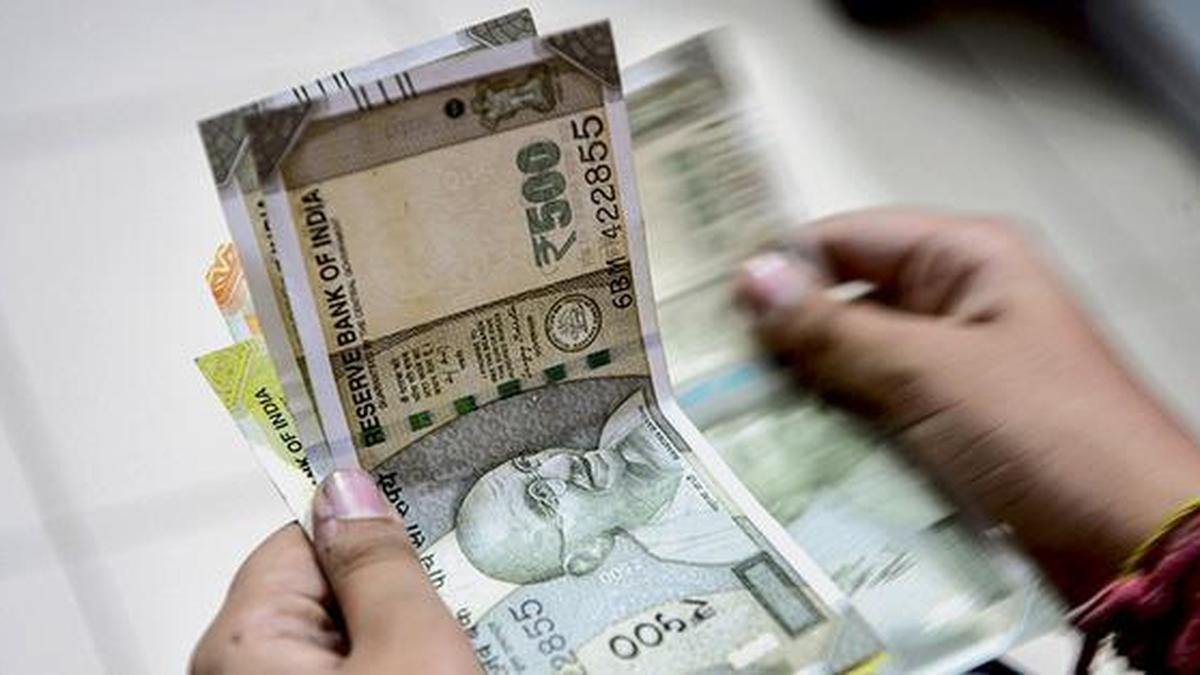
Many families are paying loan installments that use almost all of their monthly income.
Some installments are even bigger than what the family earns.
About four in ten borrowers are taking new loans or using credit cards to pay old loan bills.
This can make their total debt grow larger.
People said they borrowed mostly for medical problems, family expenses, or business and job-related needs.
Losing a job or having a salary cut made repayment especially difficult.
Some borrowers said lenders called them repeatedly or used abusive language.
Others reported home visits, threats, or legal notices.
Experts warned that taking loans for festive spending can add another monthly payment to an already difficult situation.

A survey found that 60% of borrowers have EMIs nearly equal to or exceeding their total monthly family income.
About 40% are managing existing EMIs with new loans or credit cards, indicating possible debt-trap risks.
Medical emergencies were the largest cited reason for borrowing, followed by family expenses and business or job-loss needs.
Job loss or salary reductions were the most common reasons borrowers could not repay their loans.
Many borrowers reported recovery calls, abusive language, lender harassment, legal notices, or threats.
- Who
- Borrowers surveyed through data from the debt and loan resolution platform Expert Panel, along with lenders and their recovery agents.
- What
- A survey found that many borrowers face unsustainably high EMIs, use new credit to repay existing debt, and experience repayment-related harassment.
- Where
- The report was filed from Chennai, and the complaint data relates to the RBI Integrated Ombudsman Scheme.
- When
- The survey findings concern current borrowing patterns, with additional concerns highlighted for the festive season; RBI-related complaint figures refer to FY24.
- Why
- Borrowing was mainly linked to medical emergencies, family or personal expenses, business or job-loss needs, and household requirements; repayment problems were often linked to job loss, salary reductions, and high EMI burdens.
Borrowing Can Meet Urgent Needs
Borrowing Can Deepen Financial Distress
Purpose of loans
Borrowing Can Meet Urgent Needs
Loans helped some borrowers address medical emergencies, family expenses, education, weddings, business needs, and household requirements.
Borrowing Can Deepen Financial Distress
When EMIs consume most or all of a family's income, borrowing can become difficult to sustain and may lead to additional debt.
Festive-season borrowing
Borrowing Can Meet Urgent Needs
Borrowing can allow families to meet festive spending and make occasions more special.
Borrowing Can Deepen Financial Distress
A festive purchase made with a loan creates a recurring EMI that can add to existing financial obligations.
Debt repayment methods
Borrowing Can Meet Urgent Needs
New loans or credit cards may provide borrowers with a short-term way to manage existing EMI payments.
Borrowing Can Deepen Financial Distress
Using new credit to repay old debt can increase total obligations and signal a growing debt trap.
Key facts
- Borrowers with high EMI burdens
- 60% had EMIs nearly equal to or exceeding total monthly family income.
- Borrowers using new credit
- 40% managed existing EMIs through new loans or credit cards.
- Largest borrowing reason
- Medical emergencies or health issues accounted for 26% of borrowing cases.
- Top repayment difficulty
- Job loss or salary reduction was cited in 31% of cases where borrowers could not repay.
- Reported harassment
- 35% of borrowers faced some form of harassment, while 17% reported severe harassment.
- Legal notices
- 20% of borrowers had received legal notices from lenders.
- Ombudsman complaints
- The RBI Integrated Ombudsman Scheme received 85,281 loan-related complaints in FY24, up 42.7% year over year.
Quotes
Anurag Mehra
Director of Expert Panel
“Festive spending is often driven by emotion, social expectations and the desire to make the occasion special, but a loan converts that one-time expense into a recurring financial commitment.”
 deccanchronicle.com
Sources
Related news

Experts Explain When Affordable EMIs Become Financially Unaffordable

Five Ways to Escape EMI Debt Trap and Rebuild Finances

Five Warning Signs Your Debt Is Getting Out Of Control

India’s Household Debt Raises Questions Beyond GDP Growth
How Smart Borrowing Can Build Wealth Without Straining Budgets
Floating-Rate Home Loans May Turn Affordable EMIs Into Distress
Pralhad Joshi Rebukes Rahul Gandhi Over Modi Election Remarks
Karnataka Seeks Kasturirangan Report Review, Orders Western Ghats Survey

Karnataka Farmers Observe Sringeri Bandh Over Kasturirangan Report
Karnataka CM Defends Nagendra Resignation Amid Tribal Welfare Scam