3 days ago
How Smart Borrowing Can Build Wealth Without Straining Budgets
A loan is borrowed money that must be paid back with extra money called interest.
Some loans can help you build wealth, such as loans for a home, education or a business.
Other loans pay for things like holidays or phones and usually do not create future income or assets.
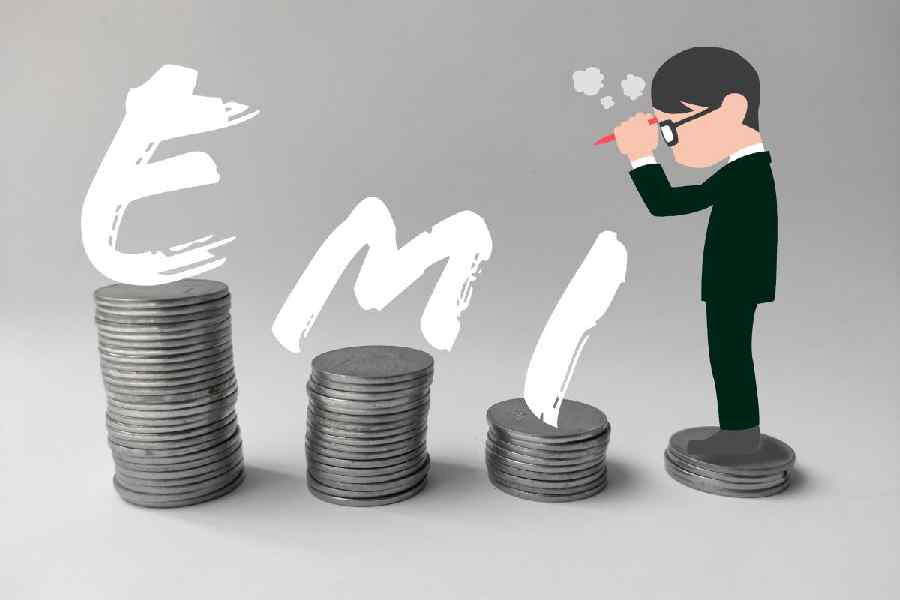
A monthly payment, called an EMI, does not show the full cost of borrowing.
You also need to check fees, the interest rate and the total amount you will repay.
Experts suggest keeping all your EMIs below about 40% of your monthly income.
A strong CIBIL score may help you qualify for a lower personal-loan rate, but lenders consider other factors too.
Before borrowing, make sure you will still have enough money for daily needs, savings and emergencies.
The best loan is one whose benefit is worth its cost and which you can repay comfortably.

The value of a loan depends on its purpose, borrowing cost and whether its EMI fits the household budget.
Credit-card balances can become expensive quickly; a ₹50,000 balance at 3% monthly interest attracts about ₹1,500 over 30 days before taxes and charges.
Home, education and business loans may support assets or future income, while borrowing for consumption generally does not create an offsetting asset or income.
A rule of thumb is to keep total EMIs within 40% of monthly income; adding a ₹15,000 EMI to existing ₹20,000 payments on an ₹80,000 income would raise the ratio to about 44%.
Borrowers should compare interest rates, fees, total repayment, existing debt, emergency savings and lender conditions before signing a loan agreement.
- Who
- Households and prospective borrowers, with guidance attributed to the CEO of BankBazaar.
- What
- The article explains how to assess whether borrowing can build wealth or create financial strain.
- Where
- The guidance concerns household borrowing in India.
- When
- The article cites the Reserve Bank of India’s August 2026 policy review and discusses borrowing decisions generally.
- Why
- To help borrowers compare a loan’s purpose, total cost and repayment burden before taking on debt.
Key facts
- EMI guideline
- Keep total monthly EMI payments within about 40% of monthly income.
- Illustrative income
- With ₹80,000 monthly income, ₹20,000 in existing EMIs equals 25% of income.
- Illustrative new burden
- Adding a ₹15,000 EMI would raise total payments to ₹35,000, or about 44% of income.
- Credit-card example
- At 3% monthly interest, a ₹50,000 balance attracts about ₹1,500 over 30 days before taxes and charges.
- Repo rate cited
- The Reserve Bank of India kept the repo rate at 5.25% in its August 2026 policy review.
- Potentially productive loans
- Home, education and business loans may support assets, future earning capacity or income.
- Pre-borrowing checks
- Review the effective cost, fees, total repayment, existing debt and emergency savings.
Sources
Related news

When Personal Loans Make Sense for Credit Card Debt

Experts Explain When Affordable EMIs Become Financially Unaffordable

Personal Loan EMI Calculators Help Borrowers Assess Repayment Affordability

Personal Loan Types in India: Medical, Wedding, Travel, Debt Consolidation

Using Personal Loans to Pay Credit Card Debt

Why Indian Retail Borrowers Pay for Credit-Health Advice

Experts Outline Investment Plan for ₹10 Lakh Daughter Corpus

Why Higher Income Does Not Guarantee a Better Credit Score

Gold Prices Fall Across Indian Cities on August 28