

59 mins ago
India’s Household Debt Raises Questions Beyond GDP Growth

GDP is a number that describes the whole economy, but families experience the economy through bills, jobs and salaries.
Many people are borrowing money to buy homes, vehicles, education and other things they want or need.
Borrowing can be helpful when incomes continue to grow.
However, loan payments still have to be made if someone loses a job or does not receive a raise.
India’s household debt reached 45.5% of GDP by September 2025, according to the Reserve Bank of India.
Loans for non-housing purposes made up 58.4% of household borrowing by March 2026.
Families are also saving less of their income because more money is being used to repay loans.
The main concern is whether household incomes can keep up with rising costs and debt payments.

India’s GDP debate may not reflect how households experience income, expenses, jobs and financial pressures.
Household debt reached 45.5% of GDP by September 2025, according to the Reserve Bank of India’s June 2026 report.
Non-housing retail loans accounted for 58.4% of household borrowing by March 2026, with consumption borrowing a major driver.
Rising debt has coincided with declining net household financial savings as more income goes toward loan repayments.
Credit can support homes, businesses and essential needs, but stagnant incomes, layoffs or emergencies could make repayments difficult.
- Who
- Indian households, borrowers, economists, statisticians, politicians and financial institutions are central to the discussion.
- What
- The article examines whether household incomes and savings can keep pace with rising living costs and increasing borrowing, despite headline economic growth.
- Where
- India, including urban households and the financial system.
- When
- The article cites household debt data for September 2025 and March 2026, as reported in the Reserve Bank of India’s June 2026 Financial Stability Report.
- Why
- Borrowing and consumption are increasing while household financial savings are declining, raising concerns about repayment risks if incomes, employment or salaries do not improve.
Credit as Opportunity
Debt as Vulnerability
Role of borrowing
Credit as Opportunity
Credit can help households buy homes, fund businesses, pay for education and manage legitimate needs.
Debt as Vulnerability
Borrowing can become a routine way to maintain consumption and aspirations before future income has actually arrived.
Economic growth
Credit as Opportunity
Rising incomes, urbanisation, digital payments and wider access to formal credit can support consumption and economic expansion.
Debt as Vulnerability
If salaries remain flat, jobs become scarce or layoffs increase, loan payments can quickly become difficult to manage.
Household resilience
Credit as Opportunity
India’s household debt-to-GDP ratio is lower than that of many rich countries.
Debt as Vulnerability
Indian households generally have lower incomes and thinner financial buffers, while informal credit may add to the debt recorded in official data.
Key facts
- Household debt
- 45.5% of GDP by September 2025, according to the Reserve Bank of India’s June 2026 Financial Stability Report.
- Non-housing retail loans
- 58.4% of household borrowing by March 2026.
- Major borrowing driver
- Consumption-related borrowing is identified as a major contributor to rising household debt.
- Household savings
- Net household financial savings have fallen as more income is used to repay loans.
- Credit sources
- Borrowing includes bank and non-bank credit, home and vehicle loans, credit cards, buy-now-pay-later schemes and loans against gold jewellery.
- Financial vulnerability
- Lower-income households with thinner financial buffers may face greater difficulty after job losses, medical expenses, failed monsoons or other shocks.
Quotes
Kotak Mahindra Mutual Fund
An Indian mutual fund cited through a blog on household borrowing and financial resilience
“borrowing has become an increasingly integral part of household finances, fuelled by rising incomes, rapid urbanisation, digital payments, and unprecedented access to formal credit. From home loans and vehicle financing to credit cards, EMIs, and buy-now-pay-later schemes, debt is no longer reserved for major life events; it is becoming a routine tool for managing consumption and aspirations.”
 deccanchronicle.com
Sources
Related news
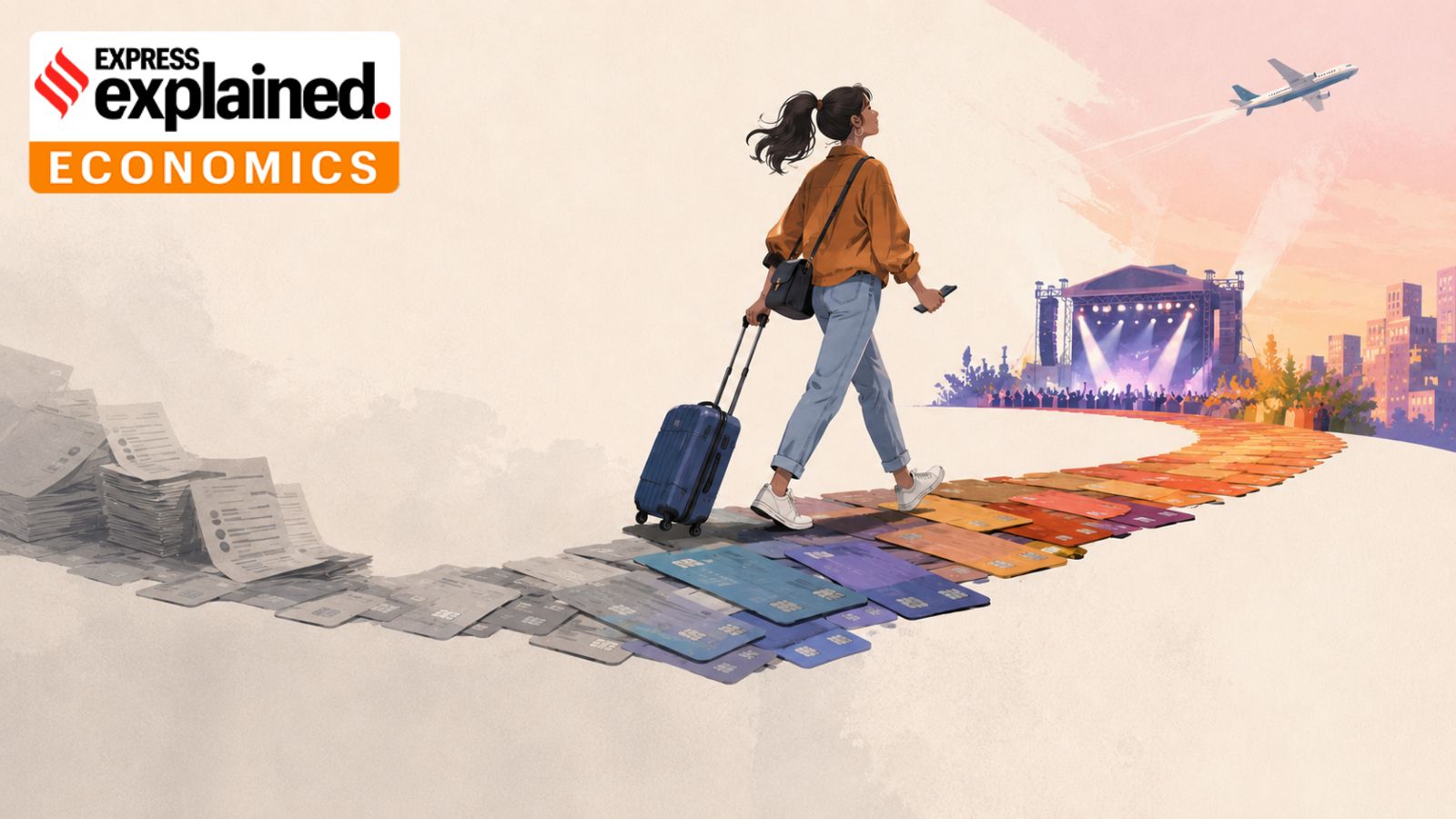
Gen Z's buy-now-pay-later habit fuels unsecured loans: RBI worried
Floating-Rate Home Loans May Turn Affordable EMIs Into Distress

India's Credit Growth Spreads Beyond Big Cities as Inclusion Grows

Maharashtra Family Deaths Highlight Risks of iPhone Consumer Debt

Gold Rise Could Add 100 Basis Points to India GDP

India’s Gold Loans Could Drive Consumption Despite Import Risks

Polycab’s Stock Drop Sparks Debate Over Ultravolt Threat
Macquarie Highlights ICICI Bank’s Productivity and Funding Strengths

Kotak811 Zero-Balance Account Offers Digital Banking Without Minimum Balance

Why Indian Banking Stocks Are Falling Amid Global Headwinds
