1 week ago
Iran Seeks US War Exit While Warning Neighbours of Retaliation
Iran and the United States are still stuck over how to end their conflict.
Iran’s president says a recently signed plan could help both sides find a way forward.
He says the plan does not mean Iran is surrendering.
The deadline for reaching a larger agreement has passed, but important disagreements remain.
One disagreement involves the Strait of Hormuz, a major route for ships carrying oil.
Iran’s security chief warned nearby countries not to help the United States put more pressure on Iran.
He said Iran could retaliate against their interests and shipping routes.
In another part of the region, a Palestinian man said an Israeli settler attacked him in the West Bank.
Israel also said it was looking for someone suspected of stabbing an Israeli man.

President Masoud Pezeshkian called the US memorandum the best route beyond Iran’s “neither war nor peace” situation.
The memorandum’s 60-day deadline ended without a broader agreement, while disputes over the Strait of Hormuz remain unresolved.
Iranian security chief Mohsen Rezaei threatened retaliation against neighbours supporting new US economic pressure on Tehran.
Rezaei said Iran could target oil-shipping routes from the Persian Gulf if neighbouring states joined the sanctions effort.
In the West Bank, a Palestinian amputee reported being beaten by a settler, while Israel pursued a suspect after a separate stabbing.
- Who
- Iranian President Masoud Pezeshkian, security chief Mohsen Rezaei, the United States, neighbouring countries, Palestinians and Israelis.
- What
- Iran is seeking a way past a stalled US conflict while warning neighbours against supporting additional economic pressure; violence was also reported in the West Bank.
- Where
- Iran, the Persian Gulf and the Strait of Hormuz; the occupied West Bank near Khirbet al-Rakeez and al-Auja.
- When
- The memorandum’s 60-day deadline ended last week; the reported West Bank incidents occurred on Saturday and Sunday.
- Why
- Iran says an agreement could reduce economic risk, while its security chief warned of retaliation against countries joining US sanctions efforts.
Diplomatic engagement
Hard-line retaliation
How to end the deadlock
Diplomatic engagement
Masoud Pezeshkian said the memorandum offers the best path beyond Iran’s “neither war nor peace” situation and does not amount to capitulation.
Hard-line retaliation
Mohsen Rezaei adopted a more forceful position, warning that Iran would retaliate if the United States increased economic pressure with neighbouring countries’ support.
Regional economic pressure
Diplomatic engagement
Pezeshkian linked an agreement and reduced risk to Iran’s ability to attract investment and improve its economic prospects.
Hard-line retaliation
Rezaei said neighbours joining the US economic campaign could be treated as enemies and have their interests and oil-shipping routes targeted.
West Bank violence
Diplomatic engagement
Saeed Muhammad Ibrahim Rabah said settlers attacked him and were trying to pressure his family to leave its land.
Hard-line retaliation
Israel’s military described a separate incident as a stabbing attack and said it was pursuing the suspect; Israeli authorities did not provide an account of Rabah’s alleged assault in the article.
Key facts
- Iranian president
- Masoud Pezeshkian defended the memorandum as the best available agreement.
- Memorandum deadline
- The US-Iran memorandum set a 60-day deadline, which ended last week.
- Central dispute
- The sides remain divided over reopening the Strait of Hormuz.
- Economic pressure
- The article says sanctions and a naval blockade have made Iranian oil exports difficult.
- Iranian warning
- Mohsen Rezaei threatened a “seismic” retaliation if neighbours support additional US economic pressure.
- West Bank assault claim
- Saeed Muhammad Ibrahim Rabah, 61, said a settler struck him with a pipe outside his home.
- Separate stabbing
- Israel said it was pursuing a suspect after a stabbing injured a 24-year-old near al-Auja; the victim was reported in moderate condition.
Quotes

Masoud Pezeshkian
President of Iran
“Capital and money are extremely sensitive to risk. We have to remove this risk from the country.”
 telegraphindia.com
“There is not a single provision in this agreement that amounts to capitulation.”
telegraphindia.com
Sources
Related news

Pezeshkian Says Iran Made No MoU Concessions Amid Tensions

Iran Warns Allies as US Escalates Economic Pressure

Iranian President Defends US Peace MoU Amid Uncertain Talks
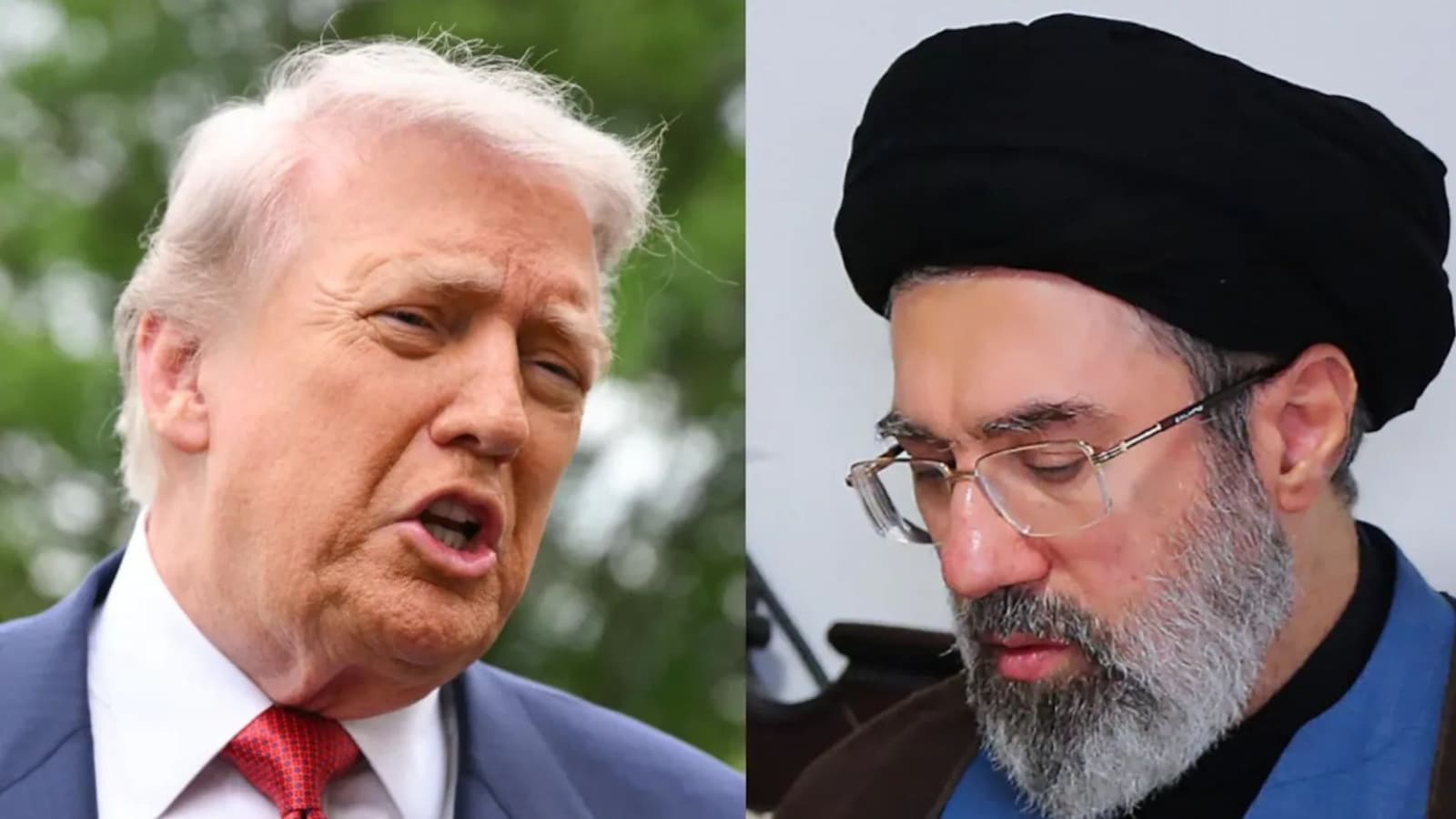
Iran Warns US Economic War Participants They Are Enemies

Iran Warns Neighbors as Trump Escalates Economic Pressure
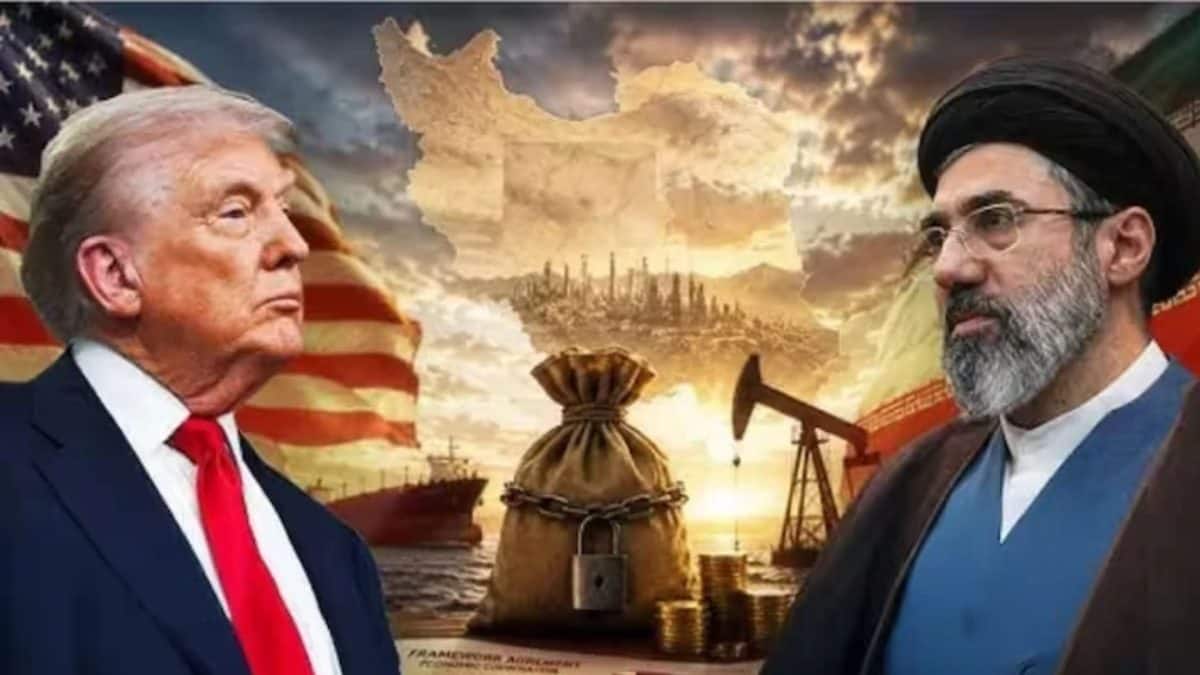
Iran Rejects Trump Sanctions Threat as Pezeshkian Backs Diplomacy
Iran Seizes Fuel-Smuggling Vessel in Gulf, Arrests 11 Crew
Trump Floats Renaming Strait of Hormuz as “Trump Strait”

Chevron Plans $7 Billion Venezuela Expansion Amid U.S. Oil Push
Saudi Tanker Hit in Hormuz, Killing Two Filipino Sailors

U.S.-Iran Exchange Escalates Across Middle East, Markets Slide