1 week ago
Iran Rejects Trump Sanctions Threat as Pezeshkian Backs Diplomacy
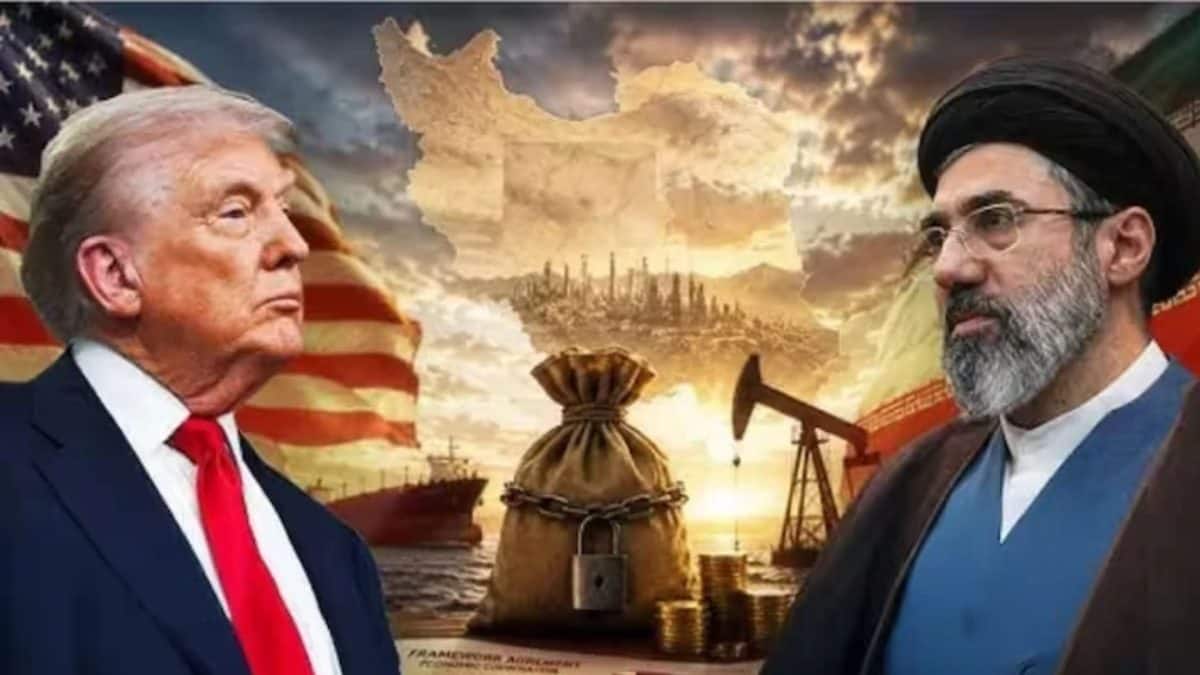
The United States plans to impose very severe sanctions on Iran.
Sanctions are punishments that can make it harder for a country to trade and earn money.
Iran says these measures are economic warfare and will not make it surrender.
Iranian President Masoud Pezeshkian says talking with the United States is still the best way to end the conflict.
However, Iran’s security chief has warned that countries helping the United States could be targeted.
The conflict has also disrupted oil shipments through the Strait of Hormuz.
Pakistan’s army chief is visiting Tehran to try to help with peace efforts.
The two sides are testing each other while leaving open the possibility of renewed negotiations.

Iranian Foreign Minister Abbas Araqchi called Washington’s planned sanctions desperate and ineffective.
US Treasury Secretary Scott Bessent is expected to announce what Washington calls its toughest sanctions against Iran.
President Masoud Pezeshkian continues to support diplomacy and a June memorandum of understanding with Washington.
Iranian security chief Mohsen Rezaei warned that countries helping enforce US pressure could face retaliation.
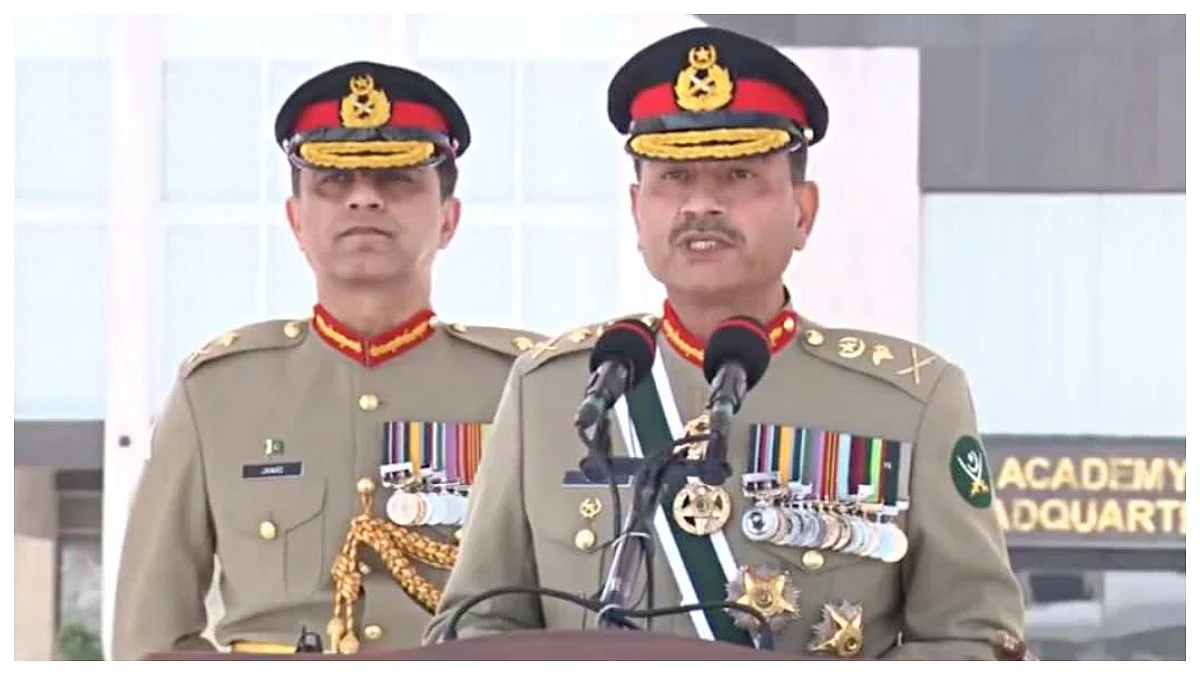
Pakistan’s army chief Asim Munir is scheduled to visit Tehran to support regional mediation efforts.
- Who
- The governments of Iran and the United States, with diplomatic involvement from Pakistan.
- What
- Washington is preparing new sanctions against Iran while Tehran rejects the pressure and debates diplomacy versus retaliation.
- Where
- The confrontation involves Iran, the United States, Tehran, the Persian Gulf, and the Strait of Hormuz.
- When
- The statements were reported on Sunday, with Asim Munir’s Tehran visit planned for Monday; the conflict has lasted nearly six months.
- Why
- The United States seeks to pressure Iran over the conflict and its nuclear program, while Iran wants to resist economic isolation and preserve negotiating leverage.
Iranian diplomacy and resistance
US maximum pressure
Effect of sanctions
Iranian diplomacy and resistance
Iran says previous pressure campaigns have failed and that additional sanctions will not force it to surrender.
US maximum pressure
The United States is betting that stronger economic isolation will compel Tehran to compromise.
Path out of the conflict
Iranian diplomacy and resistance
President Masoud Pezeshkian argues that diplomacy and the June memorandum are the best way to end the conflict.
US maximum pressure
Washington continues to demand major concessions from Tehran before the confrontation can be resolved.
Response to countries enforcing pressure
Iranian diplomacy and resistance
Iran’s security establishment warns that countries supporting US sanctions could face retaliation and threats to regional energy routes.
US maximum pressure
President Donald Trump has warned of economic consequences for countries providing Iran with what he calls a lifeline.
Key facts
- Planned US action
- Treasury Secretary Scott Bessent is due to outline sanctions described by Washington as the toughest in history.
- Iran’s response
- Foreign Minister Abbas Araqchi said repeated pressure campaigns against Iran had failed and the new measures would do the same.
- Diplomatic proposal
- A June memorandum of understanding established 60 days of negotiations on ending the conflict and addressing Iran’s nuclear program.
- Main obstacle
- The 60-day negotiating period expired without a breakthrough, particularly over reopening the Strait of Hormuz.
- Oil trade
- China accounted for more than 80% of Iran’s shipped oil purchases in 2025, according to Kpler data cited by Reuters.
- Pakistan’s role
- Army chief Asim Munir is scheduled to visit Tehran for bilateral discussions and efforts to mediate in the conflict.
- Regional risk
- Iranian security chief Mohsen Rezaei warned that cooperating countries could face retaliation against their interests and alternative oil-shipping routes.
Sources
Related news
Pakistan Army Chief Munir to Visit Tehran Amid Iran-US Tensions

US Prepares Tough Iran Sanctions as Pakistan Seeks Mediation
Iran Rejects Threatened US Sanctions as Desperate and Doomed
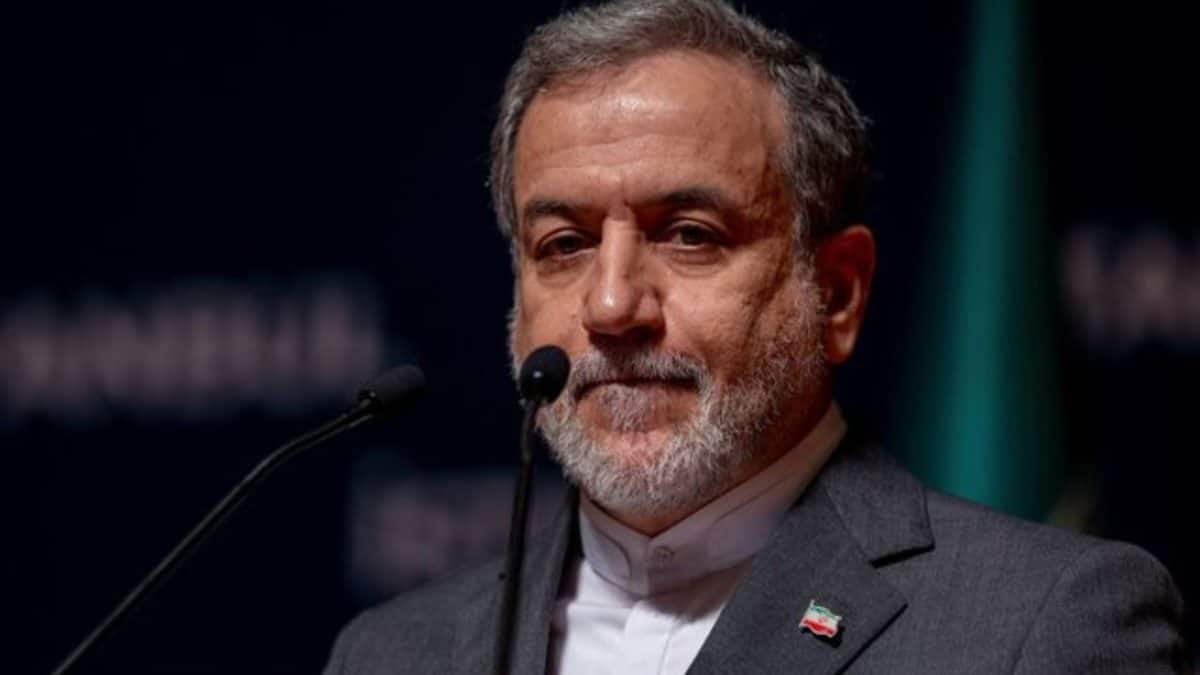
Iran Rejects Trump Economic Warfare Threats as Pakistan Mediates
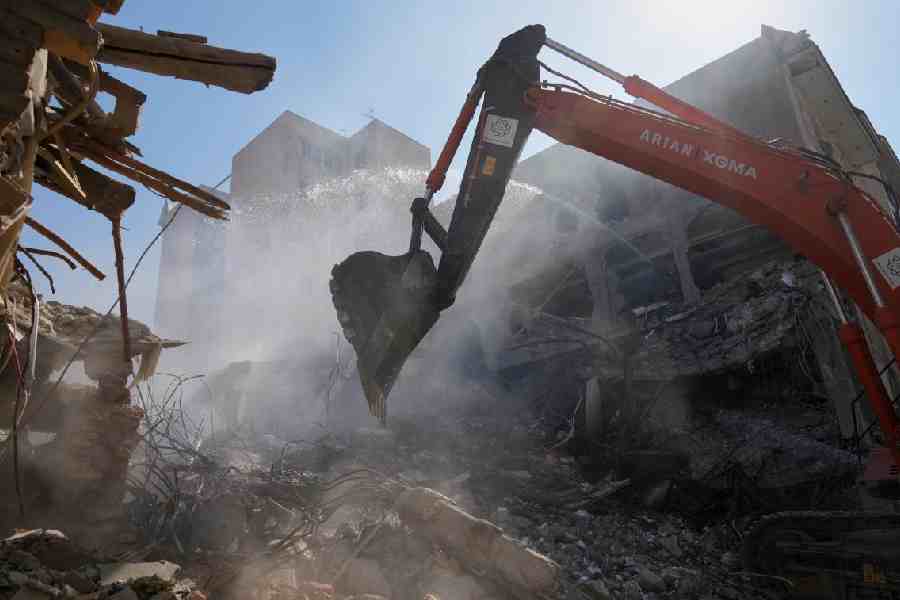
Iran Seeks US War Exit While Warning Neighbours of Retaliation
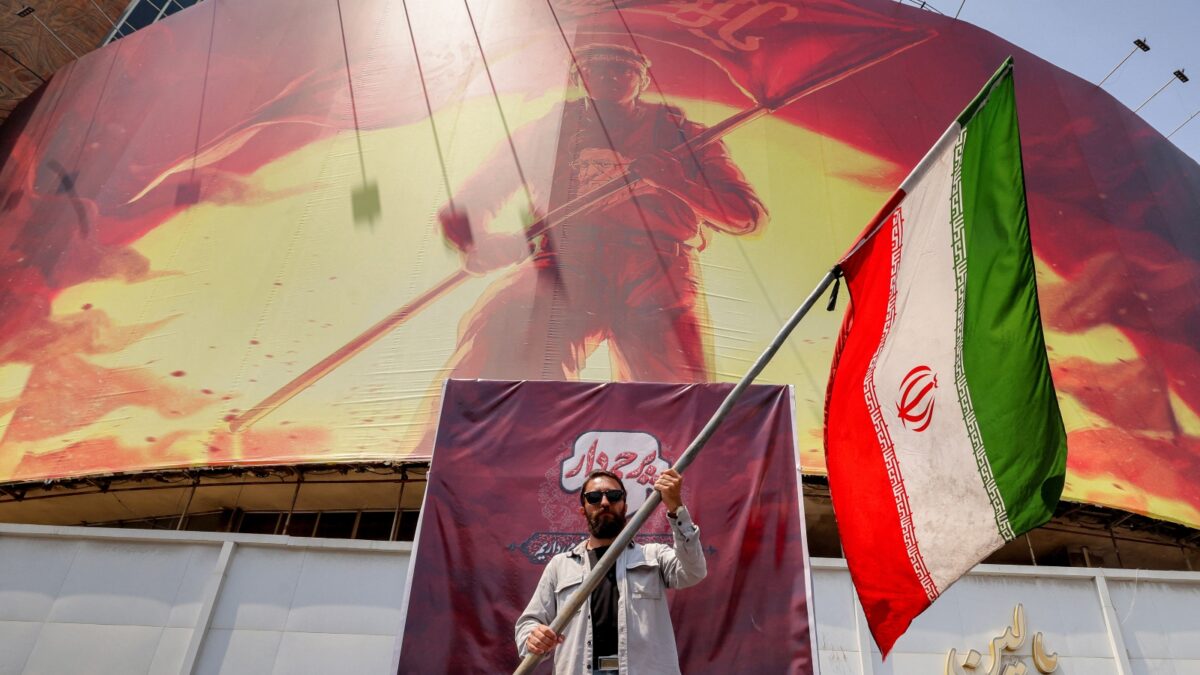
US Escalates Economic Pressure as Iran Plans Sanctions Response
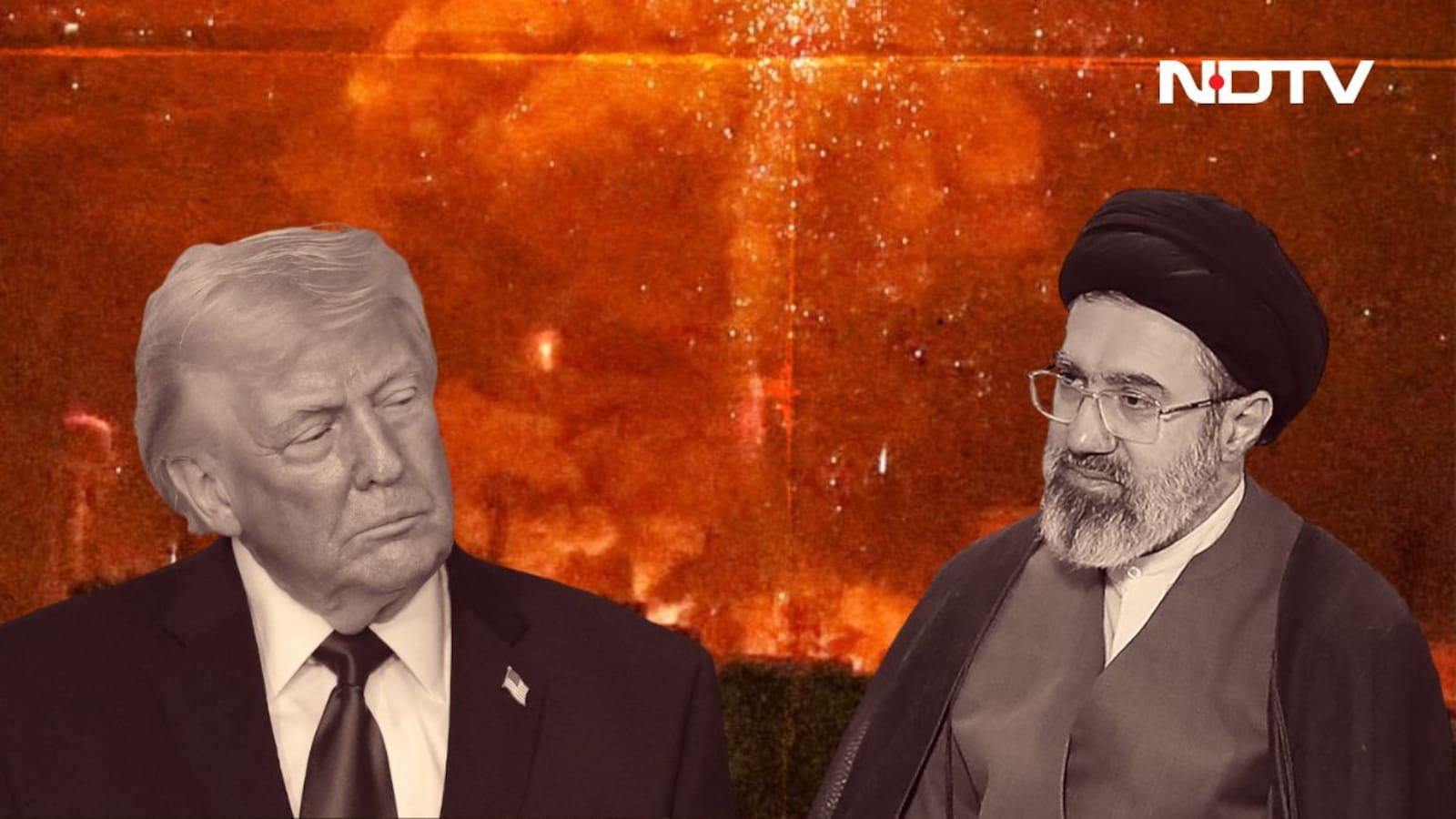
US-Iran Strikes Escalate as Tehran Warns of New Strategy
Trump Warns of Fresh Iran Strike After Heavy Attack

Trump Says US Could Attack Iran Again at Will

U.S. Treasury Yields Ease as Jobs Data Misses Expectations
Iran Seizes Fuel-Smuggling Vessel in Gulf, Arrests 11 Crew