3 weeks ago
Yen intervention may offer brief relief amid Japan debt risks
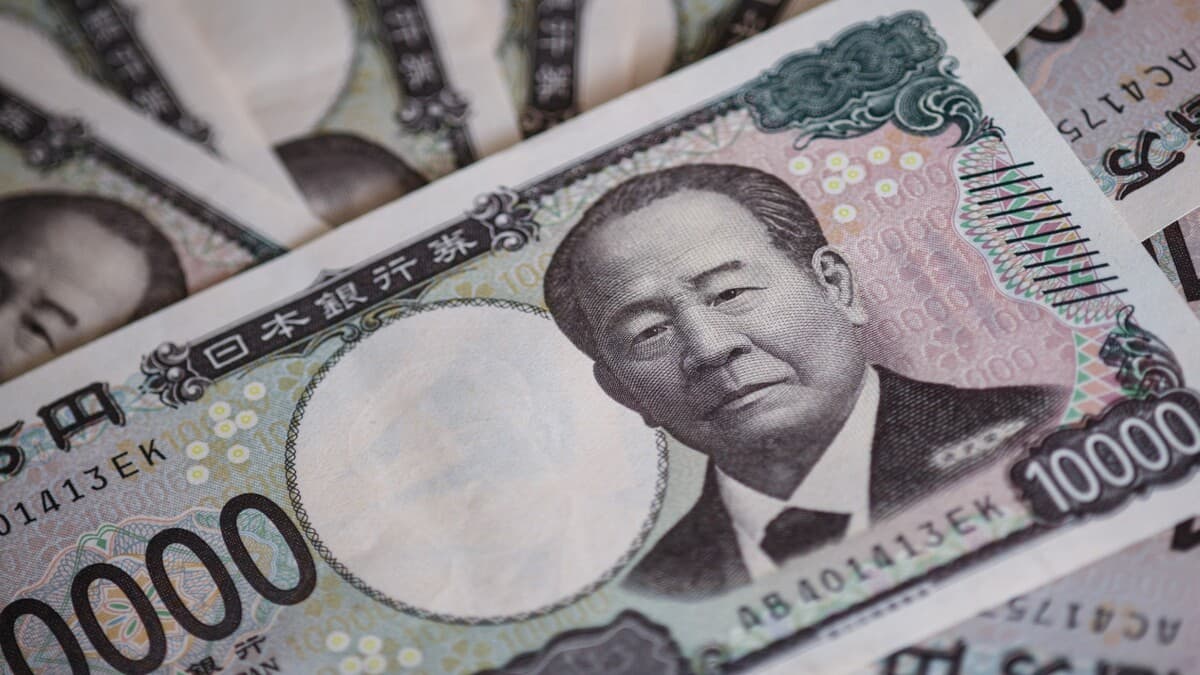
The yen is Japan's money, and it has been getting weaker compared to the US dollar.
Japan's government can try to help by buying yen, which is called currency intervention.
But experts say this help may only last for a short time.
Japan owes a lot of money, and it keeps borrowing costs low by having its central bank buy its bonds.
Low borrowing costs make Japanese investments less attractive, so investors send money to other countries.
That makes the yen even weaker.
If Japan raised borrowing costs, the yen might get stronger, but paying back its debt would become harder.
Some experts think the yen could keep falling unless Japan fixes its money problems.
A better fix might be for Japan to sell some of the valuable things it owns and use that money to pay down its debt.
Without changes like that, the yen's recovery probably will not last.

Currency intervention may give the yen temporary support, but economists say it is unlikely to reverse its longer-term depreciation.
Japan's government bond yields remain low relative to other major economies, encouraging capital to move overseas and weakening the yen.
Some economists see a risk of USD/JPY eventually moving towards 180 if intervention fails to change the underlying currency dynamics.
The Bank of Japan's bond-market presence contains borrowing costs, but a sharp rise in yields would add pressure on Japan's enormous public debt.
Economists say selling some of Japan's financial assets to reduce gross public debt could improve investor confidence without a dramatic yield increase.
- Who
- Japanese authorities, the Bank of Japan, and economists warning about the yen's outlook.
- What
- A possible currency intervention that may only temporarily support the yen, with a risk that USD/JPY could move toward 180 if debt and bond-market pressures persist.
- Where
- Japan's currency and bond markets, and global foreign exchange markets.
- When
- Timing is not specified in the article; the analysis addresses current market conditions.
- Why
- Japan's massive accumulated debt, suppressed bond yields and persistent capital outflows weigh against the effectiveness of intervention.
Supporting the yen through intervention
Addressing underlying fundamentals
Effectiveness of foreign exchange intervention
Supporting the yen through intervention
Intervention can disrupt speculative positions and trigger sharp, short-term appreciation of the yen.
Addressing underlying fundamentals
Intervention cannot eliminate the fundamental incentive for capital to leave Japan; without fiscal consolidation, intervention-driven rallies could prove short-lived.
Bond yield policy trade-off
Supporting the yen through intervention
Keeping bond yields low protects government finances and avoids increasing debt-servicing costs on Japan's enormous public debt.
Addressing underlying fundamentals
Allowing yields to rise would improve returns on Japanese assets, support the yen and reduce persistent capital outflows.
Key facts
- Currency pair at risk
- USD/JPY could eventually move towards 180 if intervention fails
- Intervention outlook
- Temporary relief only; longer-term depreciation likely to continue without fiscal action
- Shadow yield gap (30-year Japanese government bond)
- Around 300 basis points higher than the prevailing yield if central bank support were removed
- Bank of Japan role
- Continued presence in the government bond market keeps borrowing costs low
- Japan's debt position
- Accumulated government debt far higher than other major economies; primary deficit not exceptionally large
- Suggested solution
- Sell some of Japan's financial assets to reduce gross public debt and improve investor confidence
- Conditions for effective intervention
- Extremely stretched speculative positioning, significant undervaluation and supportive monetary policy - none fully met
Sources
Related news

Yen Weakens 1%, Erases Half of Intervention Gains
Yen Intervention Gains Fade as Rate Gaps Drive Decline

Yen Surrenders Nearly Half Its Gains From US-Japan Intervention

Yen Breach of 160 Revives Japan Intervention Watch

Rare US-Japan Currency Move Could Quietly Help India's Bond Investors

Japan Cricket Boss Defends Asian Games Facilities Against Concerns

Mitsubishi Revives Pajero With 201PS Fifth-Generation SUV

Europe's Bond Selloff Deepens as Middle East Tensions Lift Oil

Uday Kotak Warns Global Bond Markets Face Roller-Coaster Volatility

Global Bond Sell-Off Pushes Japan Yields To 30-Year High