5 days ago
Yen Intervention Gains Fade as Rate Gaps Drive Decline

Japan and the United States acted together to help strengthen Japan’s currency, called the yen.
The yen first improved from about 164 to 155.23 for one US dollar.
About a month later, it weakened again and moved close to 160.
Experts say the intervention slowed the yen’s fall but did not fix the bigger problems.
Japan’s interest rates are still much lower than rates in other major economies.
This encourages investors to borrow yen and buy assets that pay more elsewhere.
High oil prices and worries about Japan’s finances are also adding pressure.
Many investors expect Japan’s central bank to raise interest rates in September.
Officials have said they could intervene again, but analysts disagree about whether that would create lasting strength.

The yen rose from about 164 to 155.23 per dollar after coordinated Japan-US intervention.
The currency later weakened again toward 160 per dollar, as underlying pressures remained.
Strategists say Japan’s interest-rate gap, fiscal concerns and elevated oil prices continue to weigh on the yen.
Markets see about an 80% chance of a Bank of Japan rate hike in September, with a hike fully priced by October.
Japanese and US officials have warned they may defend the yen again if necessary.
- Who
- Japan and the United States intervened to support the yen; Bank of Japan and Federal Reserve policy are also central to market expectations.
- What
- The yen’s initial gains after coordinated intervention have faded as longer-term economic pressures continue.
- Where
- In foreign-exchange markets, particularly the yen-dollar exchange rate.
- When
- The intervention occurred about one month before the reports; markets are watching the Bank of Japan’s September meeting and an upcoming Federal Reserve speech.
- Why
- The intervention aimed to slow the yen’s decline, while Japan continues to face a wide interest-rate gap, fiscal concerns and higher oil costs.
Intervention Can Slow the Yen’s Fall
Fundamentals Will Continue Driving Weakness
Effect of the intervention
Intervention Can Slow the Yen’s Fall
The coordinated action pushed dollar-yen lower and may have prevented the yen from falling toward 170 per dollar.
Fundamentals Will Continue Driving Weakness
The yen’s gains were not sustained, and the intervention did not change oil prices, Treasury yields or the US-Japan interest-rate gap.
Role of Bank of Japan policy
Intervention Can Slow the Yen’s Fall
A Bank of Japan rate hike, particularly if paired with intervention, could provide additional support for the yen.
Fundamentals Will Continue Driving Weakness
Because markets have already priced much of a September hike, a lasting rally would require expectations of a steeper normalization path.
Prospects for renewed action
Intervention Can Slow the Yen’s Fall
Japanese and US officials have warned that they are prepared to defend the yen again if needed.
Fundamentals Will Continue Driving Weakness
Analysts say another intervention may have limited durability while investors still find dollar assets attractive and continue selling yen.
Key facts
- Initial exchange rate
- The yen was around 164 per dollar, a four-decade low, before intervention.
- Post-intervention level
- The yen strengthened to 155.23 per dollar.
- Current direction
- The currency was approaching 160 per dollar again.
- Rate-hike expectations
- Overnight index swaps indicated about an 80% chance of a Bank of Japan hike in September.
- October pricing
- A Bank of Japan rate increase was fully priced by October.
- Main pressures
- The article cites Japan’s interest-rate gap, fiscal concerns and elevated oil prices.
- Possible future support
- Japan has discussed using a Federal Reserve facility to borrow dollars against Treasuries and buy yen.
Quotes
Masayuki Nakajima
Senior strategist at Mizuho Bank
“Because markets have already largely priced in a September rate hike, a significant rally in the yen would require more than a single policy adjustment. Investors would need to become convinced that the subsequent path of policy normalization will be steeper than currently assumed.”
 livemint.com
“The intervention tackled positioning. It did not tackle oil prices, Treasury yields or the US-Japan rate differential. The next leg of sustained yen strength will require more help from Bank of Japan normalization and changes in hedging flows behavior.”
livemint.com
Sources
Related news

Yen Surrenders Nearly Half Its Gains From US-Japan Intervention
Yen Weakens 1%, Erases Half of Intervention Gains
Yen Firms After Landmark Intervention, Dollar Near Six-Week Lows
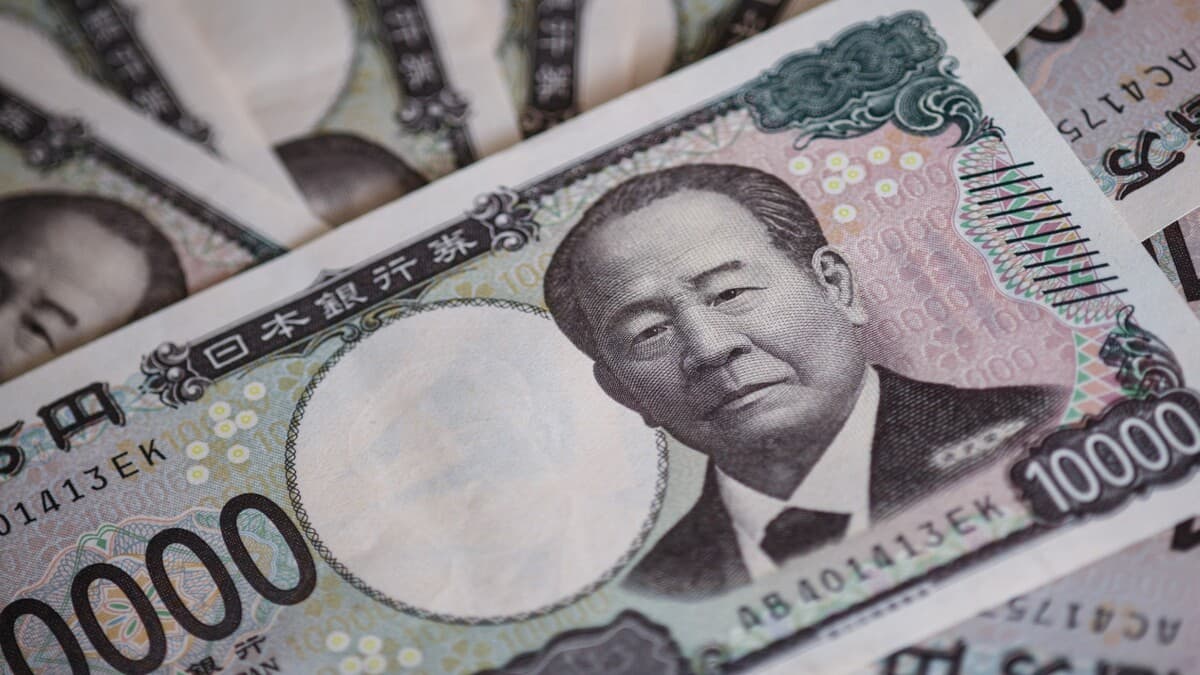
Yen intervention may offer brief relief amid Japan debt risks

Indian Firms Invest $40 Billion in U.S., Supporting Jobs

Trump Aides Seek Quiet Iran War Before Midterm Elections
Global Bond Sell-Off Pushes Japan Yields To 30-Year High

US and China Hold Quiet Talks Over Iran Conflict

Trump-Xi Talks Expected to Address AI Guardrails