3 hrs ago
International Law Tested by Attacks on Indian Seafarers

Several ships carrying goods near the Strait of Hormuz have been attacked during fighting.
Some Indian sailors were killed, injured or reported missing.
The sailors were not taking part in the conflict.
International rules say civilians and civilian ships should not be deliberately attacked.
A ship might become a military target in special situations, such as breaking a lawful blockade.
However, it must still be shown that the blockade was legal and that warnings and precautions were used.
The article says it is not yet clear whether those conditions were met.
India wants safer shipping, accountability and an independent investigation.
The goal is to make sure sailors are not treated as unimportant casualties of war.

Attacks on commercial vessels near the Strait of Hormuz have killed, injured or endangered Indian seafarers over two months.
The incidents involved MT Settebello, MT Jalveer, GFS Galaxy, MT Al Bahiyah and MT Mombasa, with differing alleged perpetrators and circumstances.
U.S. officials said MT Settebello failed to follow instructions during blockade operations, while its operators dispute that account.
International law protects civilian crews and shipping, though merchant vessels can become lawful military objectives in limited circumstances.
India has protested the attacks, raised the issue at the United Nations Security Council and called for de-escalation, free navigation and an independent investigation.
- Who
- Indian seafarers, commercial vessel operators, alleged belligerents, India and United Nations officials are involved in the issue.
- What
- A series of attacks on commercial vessels has caused deaths, injuries, disappearances, evacuations and disruption to shipping near the Strait of Hormuz, raising questions about international law.
- Where
- In and around the Strait of Hormuz, a major sea route for oil, liquefied natural gas and other cargo.
- When
- The attacks occurred over the two months preceding the article; India raised the matter at the United Nations Security Council on July 29.
- Why
- The attacks are linked to expanding hostilities and alleged blockade operations, while their legality and the protection owed to civilian shipping remain disputed.
Operators and civilian-protection concerns
Blockade and military-operation claims
Circumstances of the MT Settebello attack
Operators and civilian-protection concerns
The vessel’s operators dispute the claim that it failed to comply with instructions, and the precise circumstances remain unresolved.
Blockade and military-operation claims
U.S. officials maintain that MT Settebello failed to comply with instructions issued during blockade operations.
When commercial ships may be attacked
Operators and civilian-protection concerns
Civilian crews and merchant vessels should receive protection, and any use of force must satisfy distinction, proportionality, precaution and necessity requirements.
Blockade and military-operation claims
Under naval-warfare rules, a merchant vessel may in limited circumstances become liable to capture or attack, including for breaching a lawful blockade or effectively contributing to military operations.
Response to the attacks
Operators and civilian-protection concerns
The article advocates independent fact-finding, accountability and consistent protection of civilian shipping regardless of which belligerent is responsible.
Blockade and military-operation claims
Military actors may assert strategic or blockade-related grounds for restricting commercial shipping, although the article says the legal conditions in these incidents are not yet established.
Key facts
- Affected vessels
- MT Settebello, MT Jalveer, GFS Galaxy, MT Al Bahiyah and MT Mombasa
- Reported casualties
- Indian seafarers were killed, injured or reported missing in successive incidents; three were reportedly killed aboard MT Settebello in June.
- Legal framework
- The article discusses distinction, proportionality, precaution, military necessity and protections for civilian shipping.
- Blockade requirements
- A blockade must be declared, effective and impartially applied under the rules discussed in the article.
- India’s response
- India lodged diplomatic protests, raised the issue at the United Nations Security Council and called for de-escalation and restored navigation.
- Proposed accountability
- The article calls for a credible, independent and objective fact-finding investigation.
- Strategic importance
- The Strait of Hormuz carries large amounts of oil and liquefied natural gas and is vital to global commerce.
Sources
Related news

India urged to prioritise seafarer safety after Hormuz strike
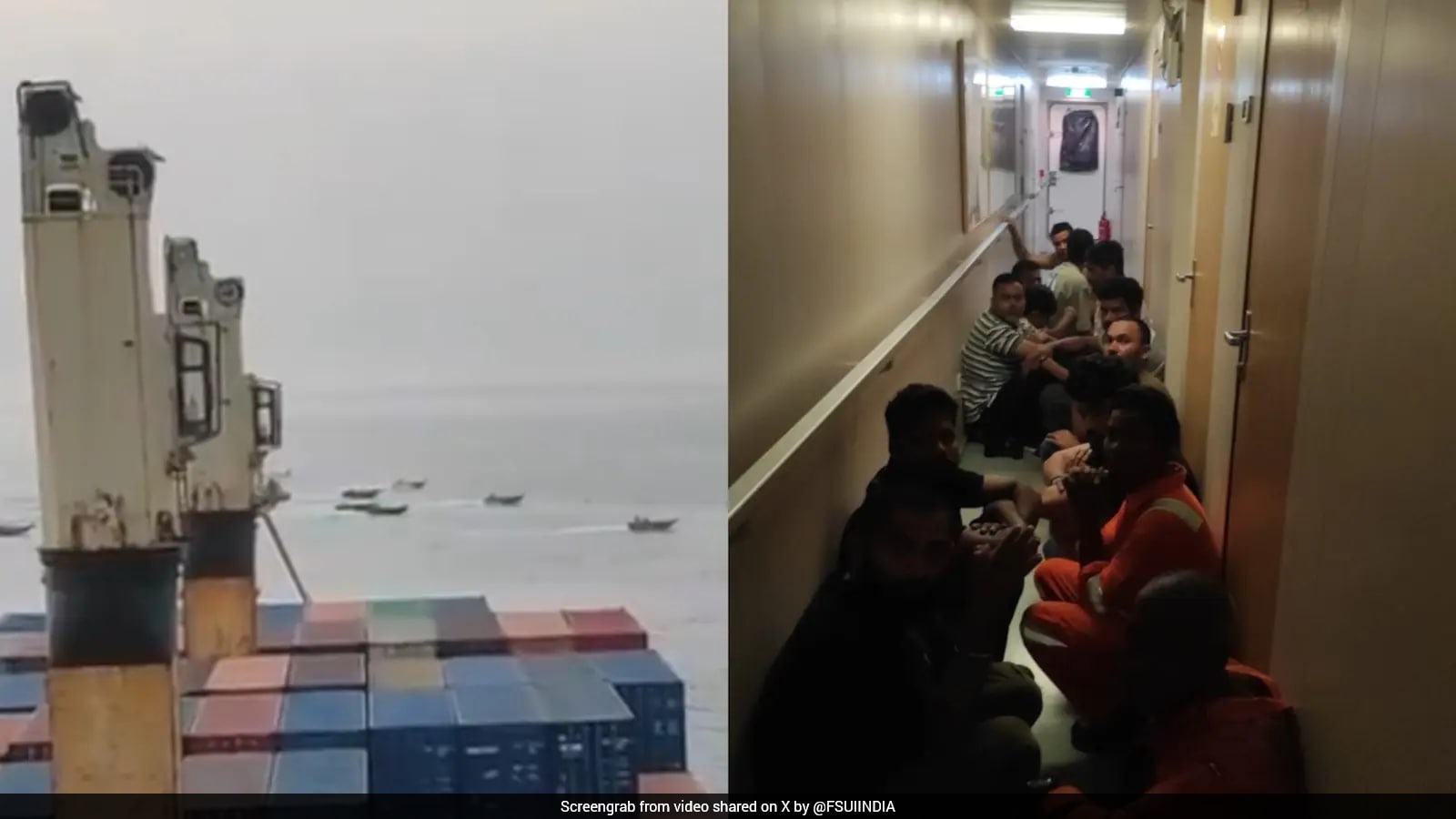
Video Shows Iranian Attack on Ship Carrying 21 Indian Sailors

Yemen, India condemn Houthi attack on Indian cargo vessel

India Urges UN Action to Protect Critical Sea Lanes

FSUI urges Centre to deploy Navy to protect Indian seafarers

Oil Hits Five-Week High as Hormuz Supply Fears Return
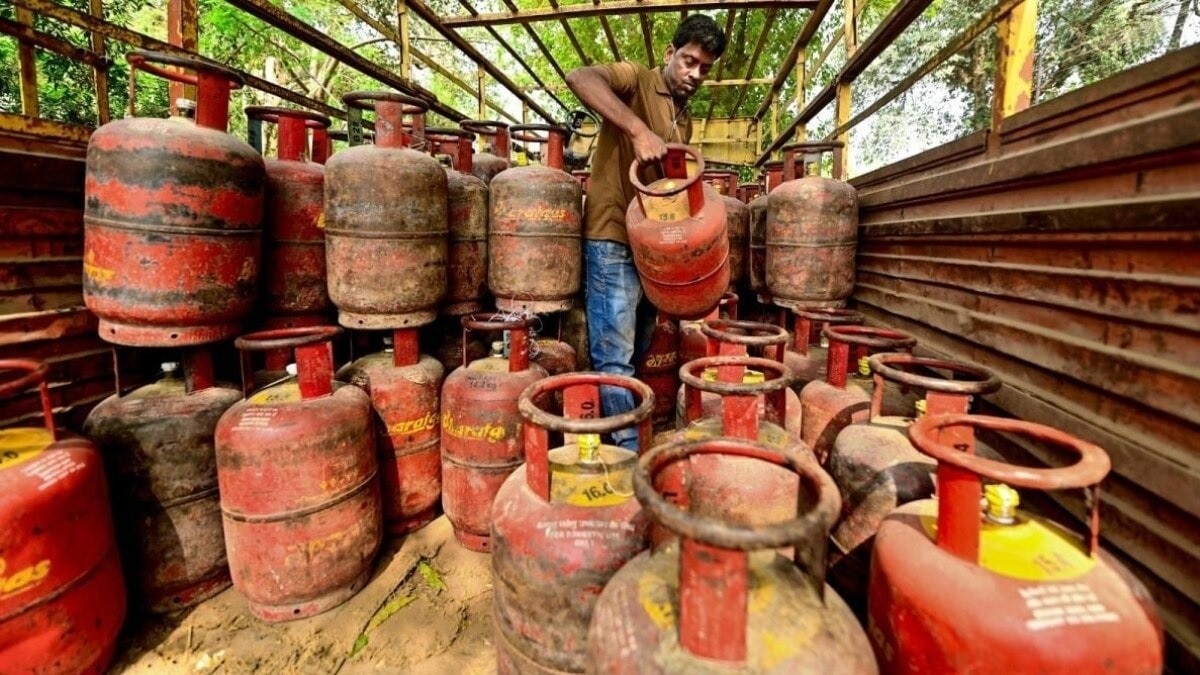
Commercial LPG and City Gas Prices Rise Across India
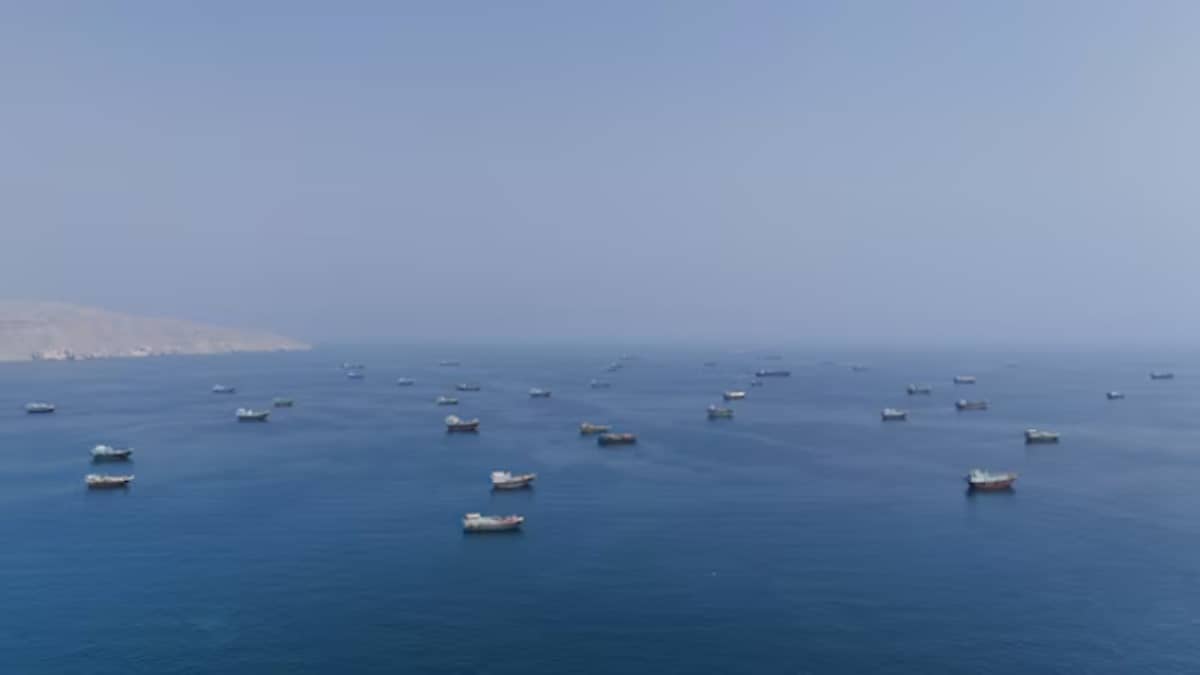
Iran Blacklists 11 More Vessels Over Hormuz Non-Compliance

Iran War Escalation Renews Concern Over Civilian Death Toll