1 week ago
Sprite Tejas Express Turns Plastic Waste Into Public Infrastructure

Coca-Cola India and IRCTC are working together on the Sprite Tejas Express.
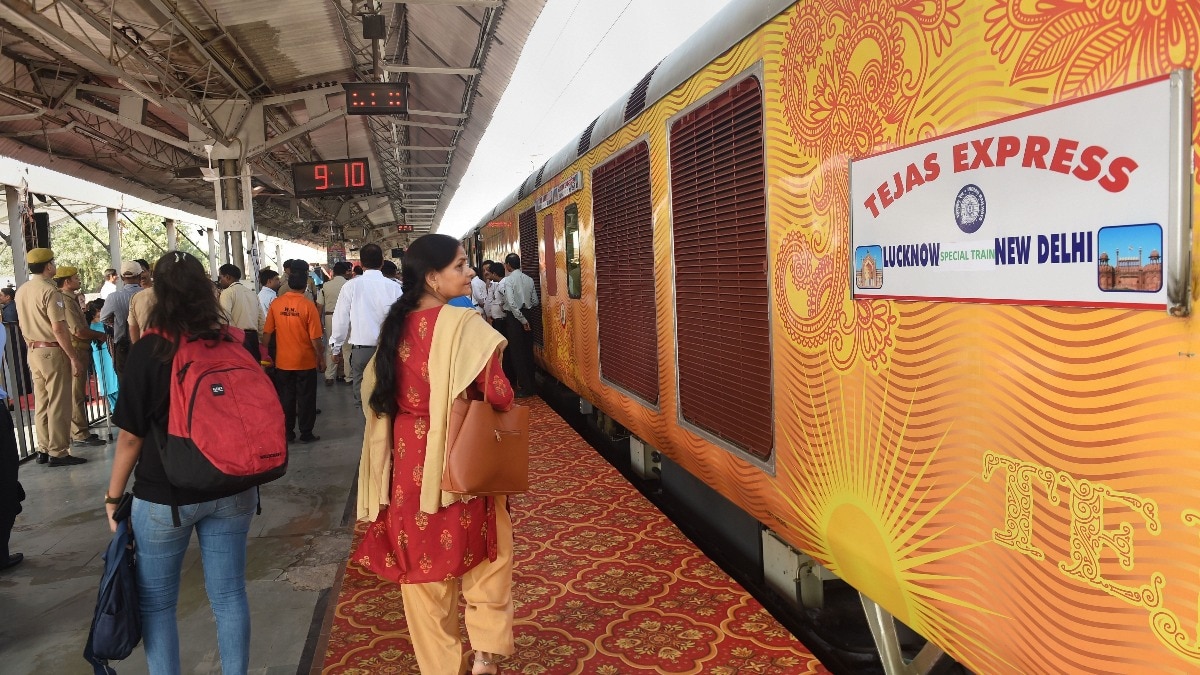
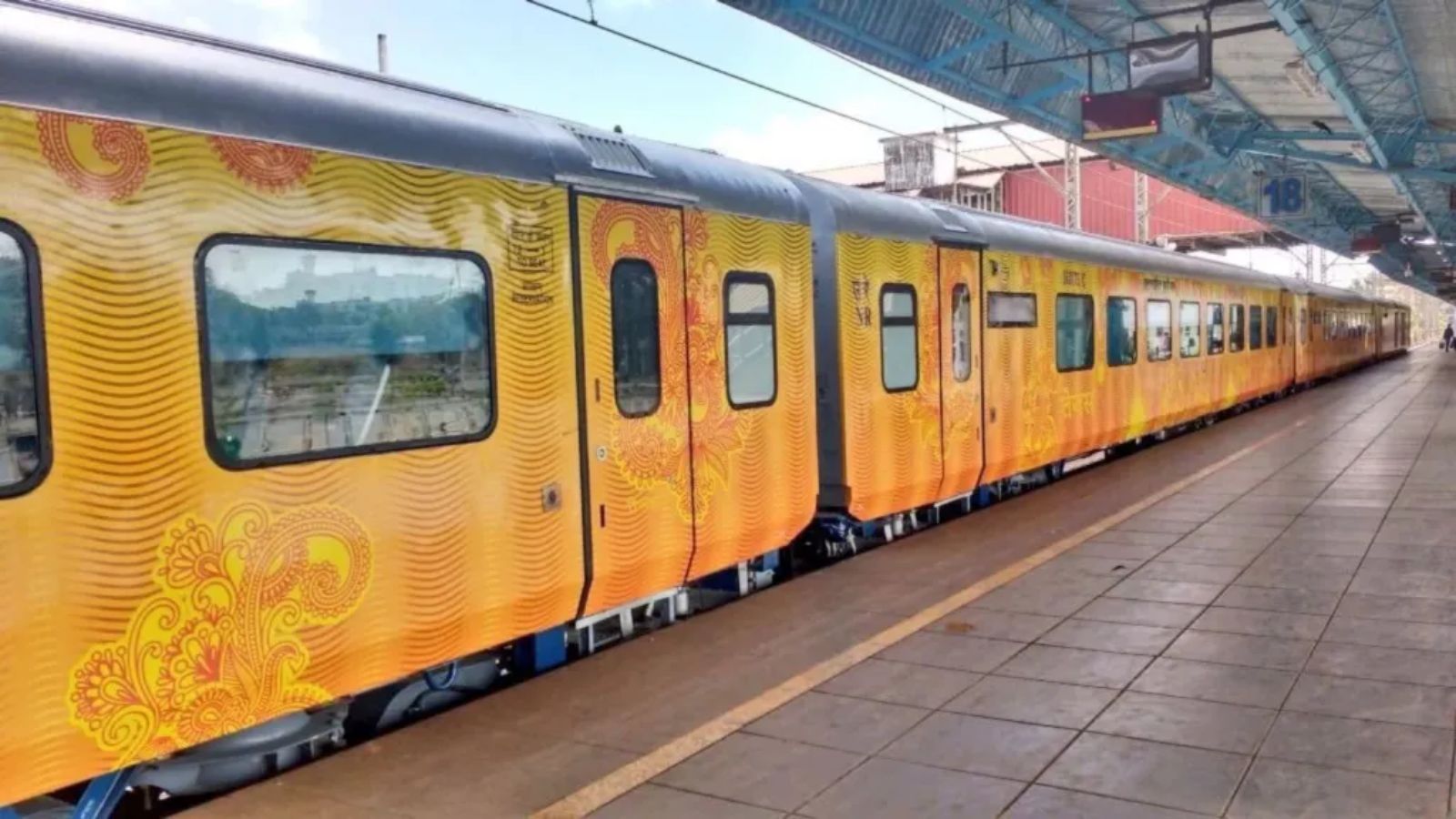
The train runs between Lucknow and Delhi.
The partners are finding ways to reuse plastic that people have thrown away.
A special flag for the train’s launch was made from recycled plastic bottles.
New benches made from recycled plastic were installed at Lucknow Station.
Each bench uses about 45 kilograms of old packaging waste.
The project shows how waste can become useful public equipment.
The companies say they hope to expand similar partnerships across India.

Coca-Cola India and IRCTC have expanded their Sprite Tejas Express partnership.
The branded train operates between Lucknow and Delhi.
A launch-ceremony flag was made using recycled PET bottles.
Recycled-plastic benches were installed at Lucknow Station.
Each bench repurposes approximately 45 kilograms of post-consumer packaging waste.
- Who
- Coca-Cola India, IRCTC and Indian Railways stakeholders are involved.
- What
- The Sprite Tejas Express initiative is using recycled plastic waste for a launch flag and public benches.
- Where
- The train connects Lucknow and Delhi, and the benches were installed at Lucknow Station.
- When
- The initiative was presented during the Sprite Tejas Express launch.
- Why
- The partnership aims to turn post-consumer waste into useful public assets and advance environmental responsibility.
Key facts
- Partners
- Coca-Cola India and the Indian Railway Catering and Tourism Corporation (IRCTC)
- Train
- Sprite Tejas Express
- Route
- Lucknow to Delhi
- Recycled item
- A specially designed launch flag made from recycled PET bottles
- Infrastructure
- Benches made from recycled plastic waste
- Location
- Lucknow Station
- Waste per bench
- Approximately 45 kilograms of post-consumer packaging waste
Quotes
Devyani RL Rana
Vice President for Public Affairs, Communications and Sustainability at Coca-Cola India and Southwest Asia
“In partnership with IRCTC, we are bringing practical waste-to-value solutions directly into public settings by transforming post-consumer waste into high-utility assets at prominent transit hubs. We are turning responsible waste management into a practical, scalable reality. We look forward to expanding such public-sector collaborations to support impactful, long-term solutions across India.”
 thestatesman.com
Sources
Related news
Lucknow-Delhi Tejas Express Rebranded as Sprite Tejas Express
India's first private train gets 'Sprite Tejas Express' name
Indore Plastic Drive Collects Waste, Distributes 4,041 Saplings
India Turns To Technology And EPR Amid Plastic Waste Crisis

India Urges Stronger Textile Recovery Frameworks for Climate Commitments
Western Railway Extends 24 Special Trains Across 12 Routes
IRCTC’s 11-Day Northeast Tour Covers Three States For ₹50,000
Delhi court delays charges in Lalu land-for-job cases
Railways Plans Special Trains Amid Durga Puja Demand
Mumbai–Subedarganj Amrit Bharat Express Gets Weekly Service