1 hr ago
Tech Careers Shift Beyond the Narrowing H-1B Pipeline
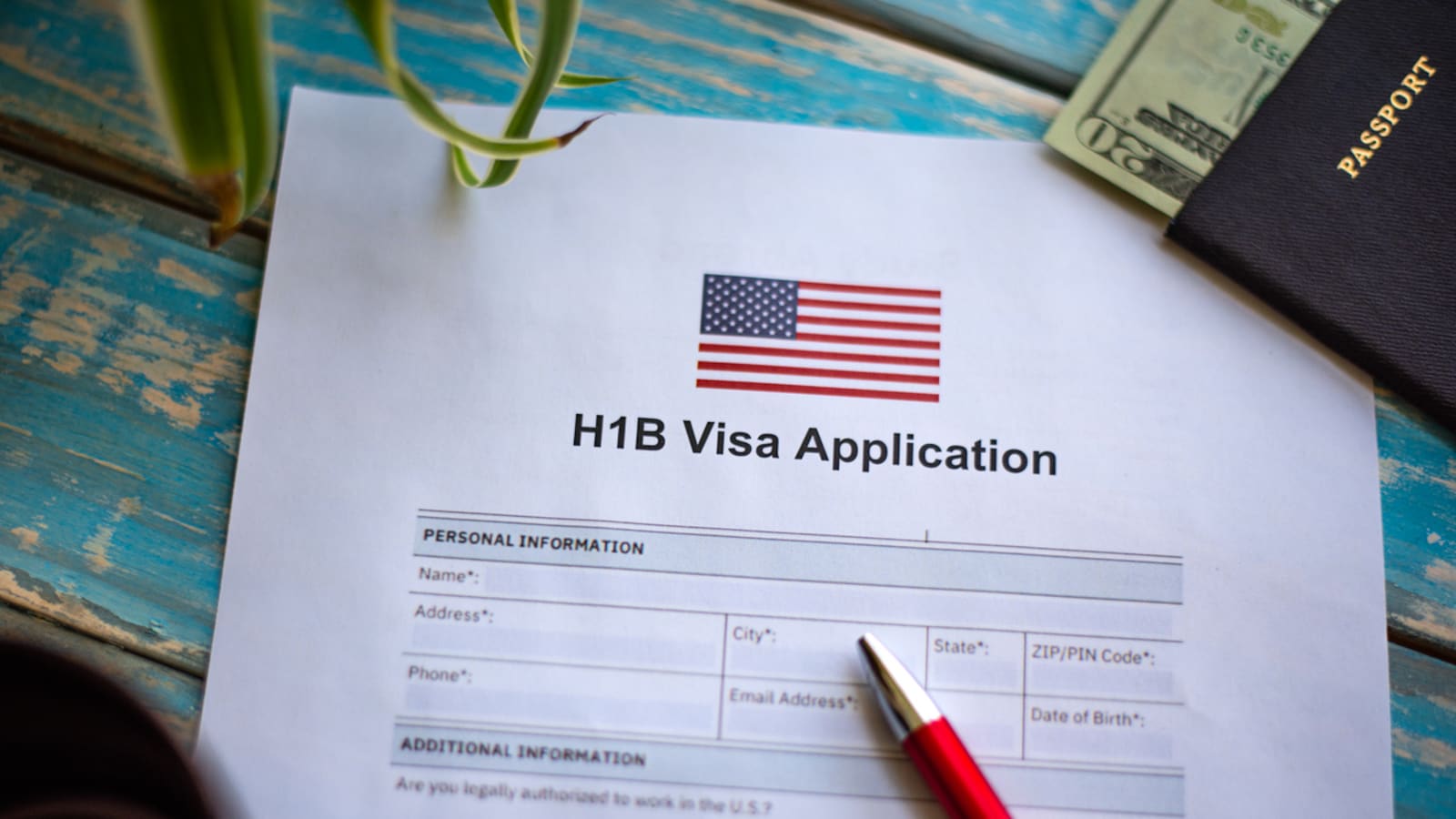
Technology jobs are changing as computers and AI take over some routine tasks.
At the same time, companies say they still need people with specialized skills.
The article says many tech jobs were cut in 2025 and 2026, and some companies mentioned AI as a factor.
It also says Indian companies and schools need to help workers learn skills for newer kinds of work.
In India, Global Capability Centers are hiring many professionals and doing more work involving AI.
Startups have also created many jobs, though the article does not give a specific count for startup tech workers.
Some people may find it harder to work in the United States on an H-1B visa.
The author argues that this is a change in where tech careers grow, not the end of those careers.

The article says demand for some traditional software skills is declining as automation and AI change tech work, while companies face shortages of newer skills.
It cites an estimate of roughly 253,000 tech jobs eliminated across 2025 and 2026 through early October; AI was cited in 33% of 2026 layoff events.
SHRM research cited in the article found that 68% of surveyed organizations struggled to recruit for full-time roles, and H-1B users often cited specialized skills and talent shortages.
India’s Global Capability Center ecosystem reached 2,117 centers and 2.36 million employees by FY26, according to a Nasscom-Zinnov report.
The article also points to startup job creation and argues that professionals facing a narrower US visa path may find growing opportunities in India.
- Who
- Indian and global technology professionals, employers, and policymakers.
- What
- An opinion article argues that tech careers are shifting as AI changes skills demand and US H-1B opportunities narrow, while opportunities grow in India.
- Where
- The United States and India.
- When
- The article cites job and industry figures for 2025, 2026 through early October, and FY26; it gives no publication date.
- Why
- The author attributes the shift to changing technology and skills needs, AI and automation, visa restrictions, and expanding opportunities in India.
Employers’ case for H-1B hiring
The article’s case for career transition
H-1B visas and workforce needs
Employers’ case for H-1B hiring
SHRM’s letter says US employers rely on H-1B as part of broader strategies to recruit and retain needed workers, and research cited in the article points to specialized skills shortages.
The article’s case for career transition
The author argues that a narrowing H-1B path does not end tech careers, because India’s GCCs and startups offer expanding opportunities.
Technology job losses and AI
Employers’ case for H-1B hiring
The article reports substantial tech layoffs and says AI was increasingly cited in layoff events, underscoring risks for workers in the changing industry.
The article’s case for career transition
The author frames the shift as a transition in skills and work, arguing that companies and education providers should develop new capabilities for an AI-enabled workplace.
Key facts
- Estimated tech job cuts
- About 253,000 across 2025 and 2026 through early October, according to figures attributed to Layoffs.fyi.
- AI cited in layoff events
- Roger Lee of Layoffs.fyi is quoted saying AI was cited in 33% of tech layoff events in 2026, compared with 1% in 2024.
- Recruitment challenges
- SHRM research cited in the article found nearly 68% of organizations struggled to recruit for full-time positions in 2026.
- Reasons for H-1B use
- Among organizations using the program, 65% cited specialized skills, 51% critical skills shortages, and 49% a lack of sufficiently qualified US candidates.
- India GCC workforce
- 2.36 million professionals by FY26, according to a Nasscom-Zinnov report.
- India GCC revenue
- $98.4 billion by FY26, according to the same report.
- DPIIT-recognised startups
- More than 223,000 startups had created over 2.33 million direct jobs by FY2025-26, according to Startup India figures cited in the article.
Quotes
Emily M. Dickens
Chief administrative officer of SHRM, a Washington, DC-based talent organization.
“US employers continue to face persistent talent and skills shortages and rely on the H-1B program as an essential component of a broader set of strategies to recruit, develop, and retain the workforce they need.”
 NDTV
NDTV
Sources
Related news
AI Reshapes India’s GCC Hiring as Up to 30,000 Roles Go
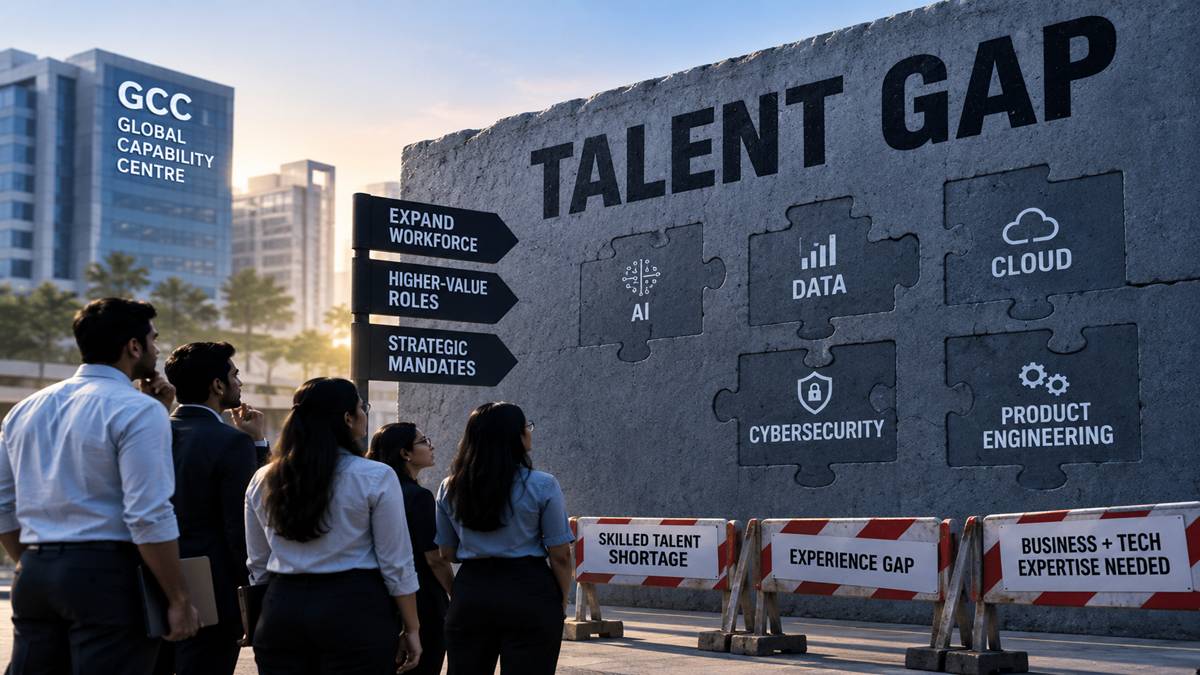
India's GCCs Face Talent Shortages as Advanced Skills Demand Rises
PERM Curbs Could Shift More US Tech Work to India
India’s AI Ambitions Depend on Retaining Top Talent

Sridhar Vembu Urges Indians in US to Return Amid PERM Suspension
India’s AI Use Surges, but Building Skills Lags

SHRM Announces SHRMTech 2026 HR Conference
SHRM Unveils New People Engagement Identity

HR's Future: Humanizing Technology with AI