2 hrs ago
PERM Curbs Could Shift More US Tech Work to India

The United States has restricted several companies from using a programme that helps employers hire foreign workers permanently.
Former HCL Technologies CEO Vineet Nayar says this may lead companies to move more technology work to India instead.
That work could include building products, cybersecurity and artificial intelligence.
He said Indian IT companies received only a small share of the programme's certifications last year.
So he expects the restrictions to have a limited direct effect on those firms.
US Labour Secretary Keith Sonderling said the action is meant to address concerns about foreign hiring and protect American workers.
Tata Consultancy Services said it does not expect the suspension to change its US workforce plans.
Nayar also said Indian IT's future will depend more on workers' skills and ability to design technology.

Former HCL Technologies CEO Vineet Nayar said US restrictions on PERM access could encourage companies to move more high-value technology work to India.
Nayar said Indian IT firms received fewer than 1,400 of 117,849 PERM certifications issued last year, suggesting limited direct impact on them.
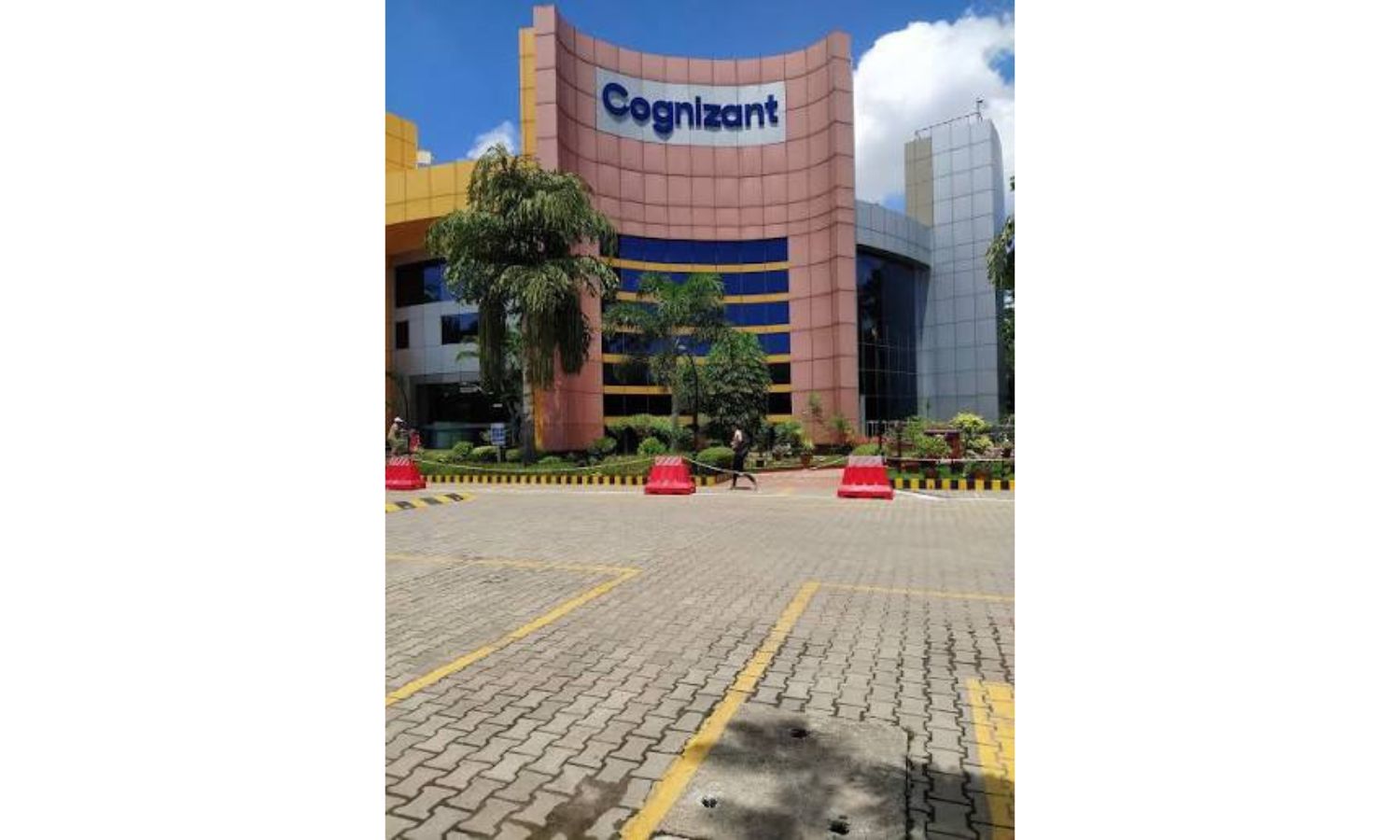
The US action named Tata Consultancy Services, Infosys, Wipro, HCL Technologies, Cognizant, Microsoft and Adobe amid investigations into alleged misuse of the programme.
US Labour Secretary Keith Sonderling said the action addresses concerns about foreign hiring and aims to protect American workers.
Tata Consultancy Services said its PERM applications were in single digits over the past two years and reiterated plans to hire 15,000 additional US employees over five years.
- Who
- Former HCL Technologies CEO Vineet Nayar; US authorities named several technology and outsourcing companies, including Tata Consultancy Services, Infosys, Wipro, HCL Technologies, Cognizant, Microsoft and Adobe.
- What
- US restrictions on several companies' use of the Permanent Labour Certification Program prompted Nayar to warn that more technology work could move to India.
- Where
- The restrictions concern the United States, while Nayar discussed potential growth in technology work based in India.
- When
- The article does not specify when the restrictions were announced; Nayar cited PERM certifications issued last year.
- Why
- US Labour Secretary Keith Sonderling said the action addresses alleged misuse and concerns over foreign hiring, and is intended to protect American workers.
US government rationale
Nayar's assessment and company response
Purpose and possible effects of the restrictions
US government rationale
US Labour Secretary Keith Sonderling said the action addresses concerns about foreign hiring and alleged misuse of the PERM system, and aims to protect American workers.
Nayar's assessment and company response
Nayar said the restrictions could have an unintended effect by encouraging companies to move sophisticated technology work to India; he also said the direct impact on Indian IT firms may be limited.
Impact on Tata Consultancy Services
US government rationale
The US action included Tata Consultancy Services among the companies subject to restrictions under the programme.
Nayar's assessment and company response
Tata Consultancy Services said its PERM applications had been in single digits over the previous two years and that it did not expect the suspension to affect its US workforce strategy or customer engagements.
Key facts
- Programme
- Permanent Labour Certification Program (PERM)
- PERM certifications cited
- 117,849 issued last year
- Indian IT firms' share
- Fewer than 1,400 certifications, or less than 2% of the total, according to Nayar
- Companies named
- Tata Consultancy Services, Infosys, Wipro, HCL Technologies, Cognizant, Microsoft and Adobe
- Tata Consultancy Services PERM applications
- The company said they had remained in single digits over the previous two years
- Tata Consultancy Services US hiring plan
- An additional 15,000 employees over five years
Quotes

Vineet Nayar
Former CEO of HCL Technologies
“America is making it harder to move Indian talent there, while technology is making it easier for smaller teams in India to take responsibility for increasingly sophisticated work.”
 freepressjournal.in
“The opportunity is architecture, product engineering, cybersecurity, AI implementation, industry solutions and eventually ownership of products and IP.”
freepressjournal.in
Sources
Related news
US Bars Eight Tech Firms From Green Card Sponsorship

US Green-Card Freeze Warns India’s IT Industry of Wider Curbs

US Suspends Eight Tech Firms From Green Card Programme

Sridhar Vembu Urges Indians in US to Return Amid PERM Suspension
US Immigration Actions Put Indian IT Green Cards At Risk

Nasscom separates US PERM freeze from H-1B mobility

India Rebukes Vance as US Suspends Tech Firms from PERM

India Rebukes US PERM Move and Vance’s Remarks
India Criticizes US PERM Freeze and Vance’s Remarks