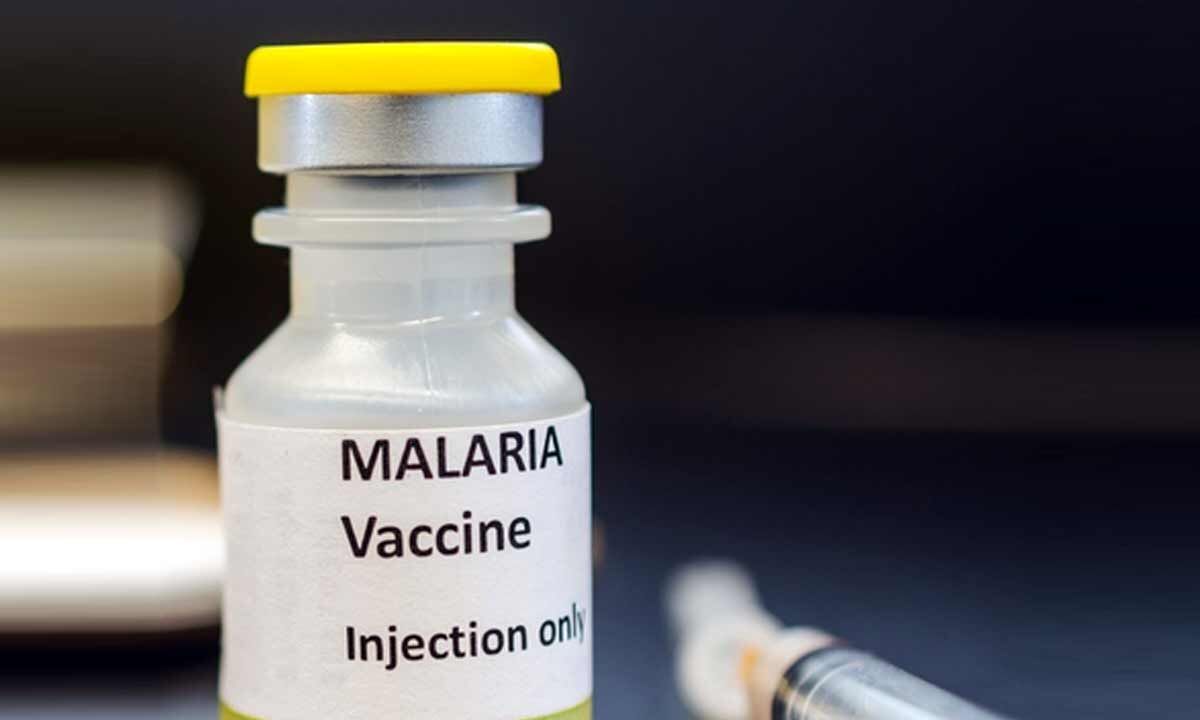
1 hr ago
Dangerous Falciparum Malaria Cases Surge Sharply In Mumbai
Mumbai is seeing more cases of a dangerous type of malaria called falciparum malaria.
It is caused by a parasite called Plasmodium falciparum and spreads through infected mosquito bites.
The parasite can damage red blood cells and affect important organs.
Early symptoms may look like an ordinary fever, with chills, headache, weakness, nausea or vomiting.
The illness can become severe quickly if it is not treated.
Doctors use blood tests or rapid tests to confirm the infection.
Medicines called artemisinin-based combination therapies are used for uncomplicated cases.
Severe cases may need urgent hospital treatment and intravenous medicines.
People can reduce their risk by avoiding mosquito bites and removing stagnant water.

Mumbai recorded 2,382 falciparum malaria cases in 2025, up from 375 in 2015.
Falciparum infections rose from 5.5% to 25.3% of the city’s malaria cases over the same period.
A state entomologist linked the post-Covid increase largely to labour migration from eastern India and Chhattisgarh.
Plasmodium falciparum can rapidly affect the brain, kidneys and other organs if untreated.
Diagnosis requires parasite-based testing, while treatment depends on artemisinin-based therapies and urgent care for severe disease.
- Who
- Mumbai residents, health officials and doctors are involved in the reported rise in falciparum malaria cases.
- What
- Cases of Plasmodium falciparum malaria increased sharply in Mumbai, reaching 2,382 in 2025.
- Where
- Mumbai, with similar trends also reported in Gadchiroli district.
- When
- The increase was measured from 2015 to 2025 and occurs amid a seasonal rise in mosquito-borne diseases.
- Why
- A state entomologist attributed the post-Covid increase largely to labour migration from eastern India and Chhattisgarh, along with the high prevalence of Anopheles mosquitoes.
Key facts
- 2025 cases
- Mumbai recorded 2,382 falciparum malaria cases.
- 2015 cases
- Mumbai recorded 375 falciparum malaria cases.
- Share of malaria cases
- Falciparum infections accounted for 25.3% of Mumbai’s malaria cases in 2025, compared with 5.5% in 2015.
- Main parasite
- Plasmodium falciparum causes the infection and is considered the deadliest malaria parasite.
- Severe complications
- Possible complications include cerebral malaria, severe anaemia, kidney problems, breathing difficulties and multiple-organ failure.
- Diagnosis
- Doctors can use microscopy or rapid diagnostic tests to confirm malaria.
- Treatment
- WHO recommends artemisinin-based combination therapies for uncomplicated falciparum malaria; severe cases require urgent medical care.
- Prevention
- Removing stagnant water, using repellents and screens, wearing covered clothing and seeking prompt care for fever can reduce risk.
Quotes
Dr Mahendra Jagtap
State entomologist discussing malaria trends and mosquito prevalence
“Haemoglobin drops dramatically, alongside kidney dysfunction. In the first two days, one cannot easily distinguish between different fevers. But high-grade fever along with dehydration, nausea and vomiting calls for an immediate doctor visit.”
 NDTV
NDTV
“Gadchiroli is another district where we have observed a similar trend and matching labour migration patterns. Mumbai also sees a year-on-year increase because of the high prevalence of Anopheles mosquitoes.”
NDTV
Sources
Related news

Mumbai Malaria Cases Rise as Dangerous P. falciparum Share Doubles
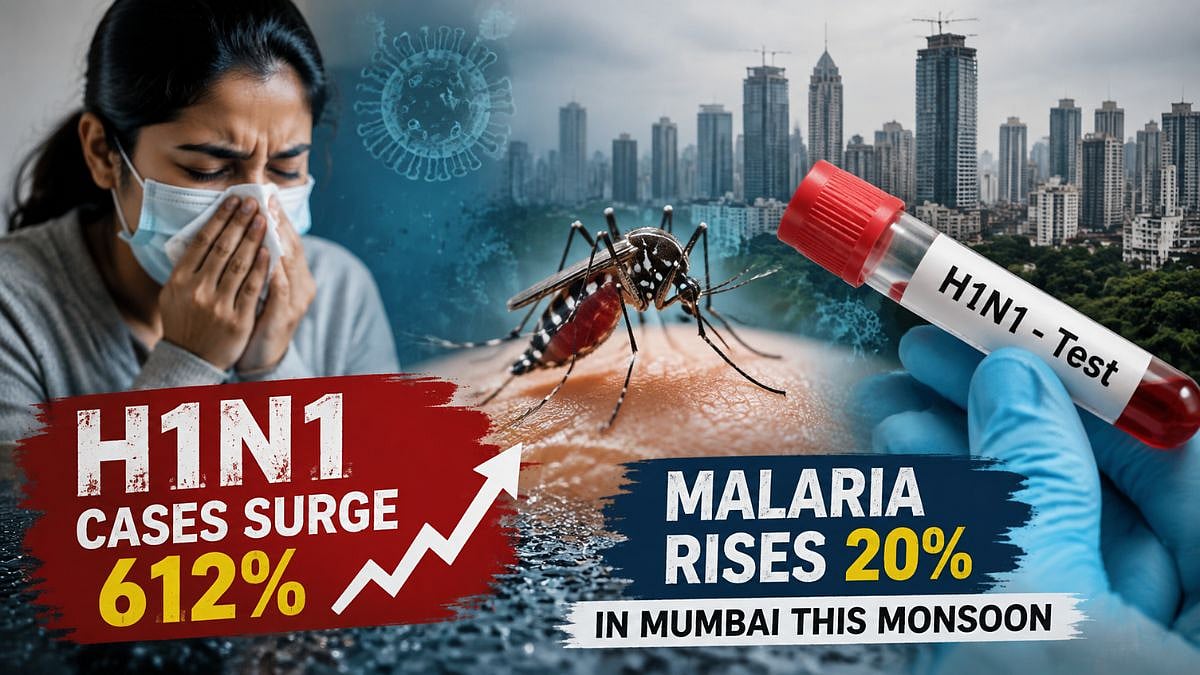
Mumbai Monsoon Sees Sharp Rise in H1N1, Malaria Cases

MNS Seeks Fever Profile Testing At Nerul, Karave Centres
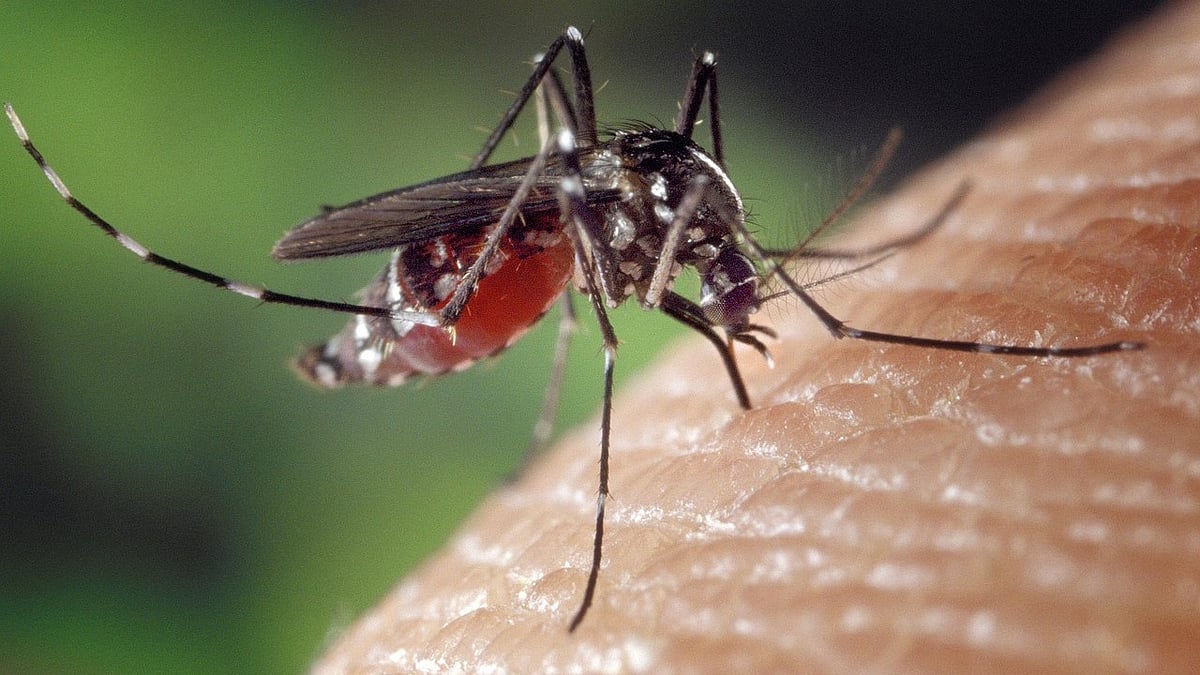
Mumbai Monsoon Health Alert: Malaria and H1N1 Cases Surge
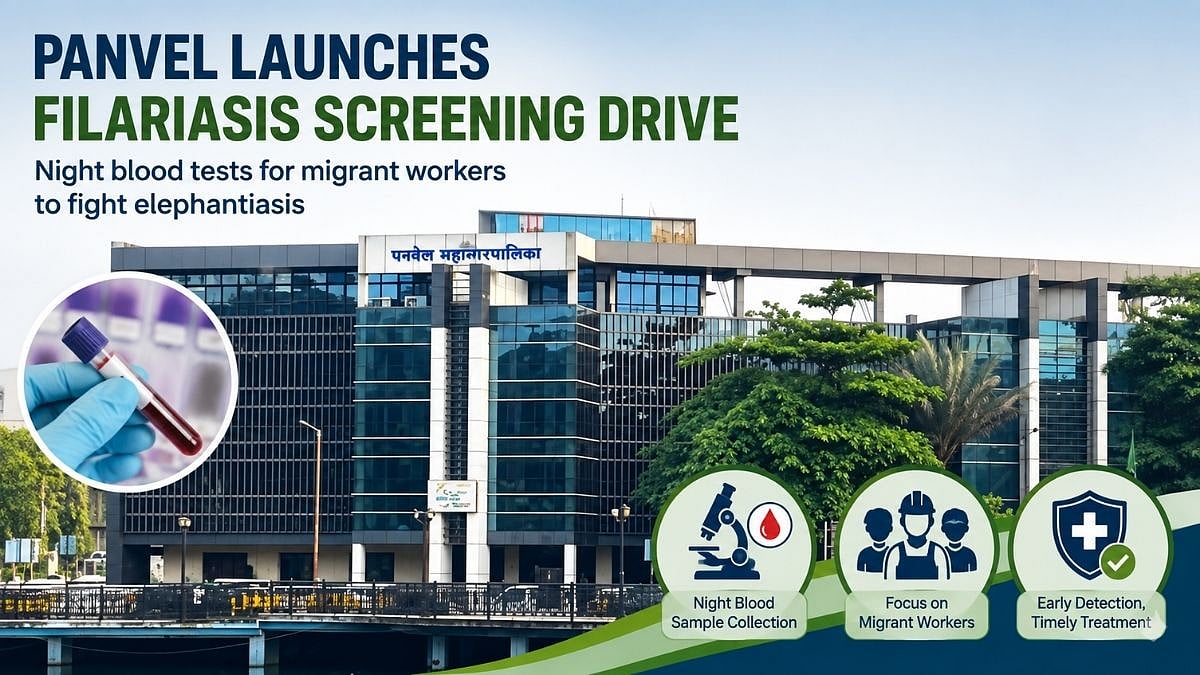
Panvel Municipal Corporation Launches Night Filariasis Screening For Migrant Workers
Tripura Study Finds Severe Vivax Malaria Infections Turning Deadly
Why Mosquito Bites Affect People Differently, Scientists Explain