

1 hr ago
Why Mosquito Bites Affect People Differently, Scientists Explain
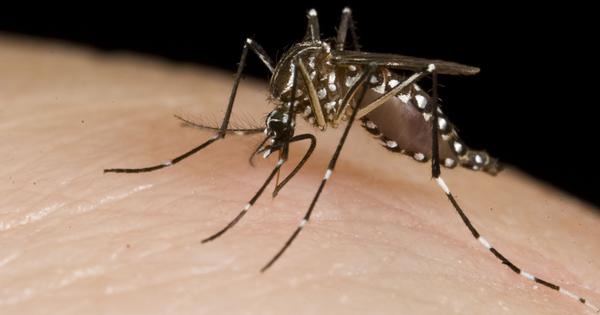
When a mosquito bites, it puts saliva into your skin.
Your body sees the saliva as something foreign and sends immune chemicals to the area.
These chemicals can cause a red, swollen and itchy bump.
Different people’s immune systems react with different strengths.
Children and people meeting a new mosquito species may react more strongly because they have had less exposure.
Genetics may also affect the size of the reaction.
A small number of people develop very large, painful or itchy swellings called Skeeter syndrome.
Scientists also think mosquito saliva may help some viruses and parasites spread more easily, so preventing bites is important.

Mosquito saliva triggers immune responses that cause redness, swelling and itching.
Salivary proteins can alter the local immune environment and make blood vessels leakier.
Reactions vary because of genetics, age, previous exposure and the mosquito species involved.
Some people develop unusually large reactions called Skeeter syndrome, which can resemble cellulitis.
Researchers say saliva-related immune changes may help mosquito-borne viruses establish infections and spread.
- Who
- People bitten by mosquitoes and researchers studying mosquito saliva and immune responses.
- What
- The article explains why mosquito bites cause reactions ranging from mild bumps to large, intensely itchy welts.
- Where
- At the bite site in the skin, with possible effects on infections spreading through the body.
- When
- Reactions occur after a mosquito bite; they may be strongest during a person’s first exposures to a mosquito species.
- Why
- Mosquito saliva contains biologically active proteins that trigger and alter immune responses, while genetics, age and previous exposure influence reaction strength.
Key facts
- Main trigger
- Mosquito saliva is recognized as foreign and can cause histamine release.
- Typical symptoms
- Redness, swelling and itching around the bite.
- Immune response
- Saliva can nudge the immune system toward a Th2 response associated with allergy-type reactions.
- Reaction differences
- Genetics, age, previous exposure and mosquito species can affect severity.
- Skeeter syndrome
- An exaggerated local reaction in which swelling extends beyond the bite and may resemble cellulitis.
- Possible disease effect
- Saliva-related immune changes may help dengue, Zika and West Nile virus establish and spread.
- Relief and prevention
- Cold compresses, antihistamines, mild topical corticosteroids, repellents, covered skin and insecticide-treated bed nets may help.
Sources
Related news

Mosquito Blood Type May Influence Bites, But Isn’t Everything
Mosquito Bites Could Become Malaria Vaccine Boosters, Mouse Study Finds

Seven Things That Make Humans Attractive to Mosquitoes
World Mosquito Day: Which Mosquito Spreads Which Disease?

Imported Mosquito on Plane Linked to Two German Malaria Deaths
