2 weeks ago
Why Lascaux Cave, France's UNESCO Site, Remains Permanently Closed
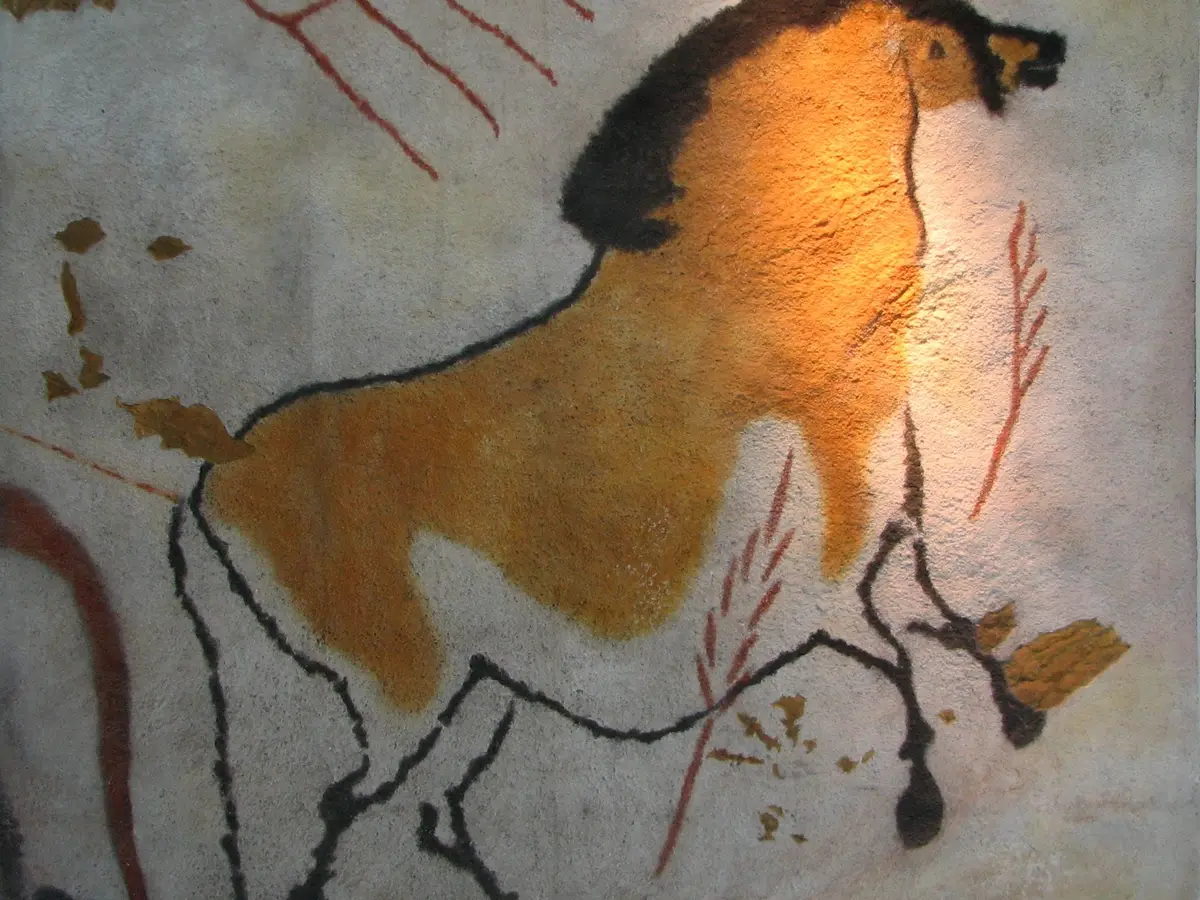
Long ago, about 17,000 years, ancient people painted animals on the walls of a cave in France.
They used natural colors that came from the earth.
In 1940, four teenagers found the cave by accident.
After World War Two ended, the cave was opened to the public in 1948.
Many people came to see the paintings, sometimes 1,200 people in a single day.
The visitors' breath made the cave warmer and more moist.
That extra moisture, along with dust from their shoes, helped algae, bacteria, and crystals grow on the rock walls.
The ancient paintings began to get damaged and fade.
So the government closed the real cave in 1963 to save the artwork.
Today, people can visit Lascaux IV, an exact copy of the cave made with 3D scans.

Lascaux Cave in southwestern France holds Paleolithic art dating back 17,000 years, with roughly 600 paintings and 1,500 engravings.
Four teenagers discovered the cave in September 1940, and it opened to the public in 1948 after World War II.
Mass tourism drew up to 1,200 visitors per day, drastically altering the cave's temperature and humidity.
Visitors' breath and dust caused algae, bacteria, and crystals to grow on the walls, and artificial lighting faded the natural pigments.
The original cave was permanently closed in 1963, received UNESCO World Heritage designation in 1979, and the Lascaux IV replica opened in 2016.
- Who
- Four teenagers discovered the cave in 1940; the French government closed it in 1963, and conservators now monitor it in near-darkness.
- What
- The Lascaux Cave, home to some of the most prominent Paleolithic art on Earth, was permanently closed to the public due to environmental damage caused by tourism.
- Where
- Southwestern France.
- When
- Discovered in September 1940, opened to the public in 1948, permanently closed in 1963, UNESCO-designated in 1979, with the Lascaux IV replica opening in 2016.
- Why
- Daily visitors' breath produced carbon dioxide, heat, and moisture, and dust from shoes helped algae, bacteria, and crystals grow, threatening the ancient paintings.
Key facts
- Location
- Southwestern France
- Age of artwork
- 17,000 years
- Artwork
- Roughly 600 paintings and 1,500 engravings
- Discovery
- September 1940 by four teenagers
- Opened to public
- 1948
- Peak daily visitors
- Up to 1,200
- Permanently closed
- 1963 (UNESCO designation in 1979)
- Replica
- Lascaux IV, opened 2016, built with 3D scans
Sources
Related news

Buckets placed at Ajanta Caves after rainwater seepage; paintings safe

Pollution and climate change threaten World Heritage Sites worldwide
Thousands of Coins Damage Ireland’s Giant’s Causeway
Naours Ancient Underground City Open for Walking Tours
Dubai's Museum of Illusions Closes After Nearly Eight Years
IIT Madras, UNESCO MGIEP Partner on AI Learning Tools

IIT Madras, UNESCO MGIEP Partner on Next-Generation Learning Technologies

UNESCO Highlights Indigenous Knowledge as India’s Sustainable Future

UN Resource Centre Coordinator Urges Greater Support for Organic Farming
São Tomé’s Colonial Plantations Gain UNESCO Heritage Status Amid Renewal