1 day ago
UNESCO Highlights Indigenous Knowledge as India’s Sustainable Future

Indigenous Knowledge Systems are ways communities learn about nature and life through many generations of experience.
For example, people may watch insects, birds or plants to understand when rain is coming.
Communities also develop special ways to grow food, save water, build homes and use plants as medicine.
UNESCO says this knowledge can help address climate change, biodiversity loss and other environmental problems.
India has many such traditions, including rainwater harvesting, seed preservation, sacred groves and traditional crafts.
This knowledge is still changing and is not simply a thing of the past.
However, it can disappear when languages, lifestyles and connections between generations change.
Scientists and traditional knowledge holders can learn from each other if communities lead the process and receive recognition and benefits.
The goal is to keep this knowledge alive, useful and owned by the communities that created it.

Indigenous Knowledge Systems preserve environmental, agricultural, medicinal and cultural knowledge developed through generations of observation.
UNESCO’s LINKS programme promotes dialogue among Indigenous knowledge holders, scientists and policymakers.
India’s traditions include rainwater harvesting, seed preservation, ecological conservation, medicinal practices and specialized crafts.
India has 16 elements on UNESCO’s Representative List of the Intangible Cultural Heritage, including Yoga, Kumbh Mela and Durga Puja.
Urbanisation, environmental damage, language loss and commercialization threaten the survival and community ownership of Indigenous knowledge.
- Who
- Indigenous and local communities, scientists, policymakers and UNESCO are central to the discussion; India is presented as a major example.
- What
- The article explains the value of Indigenous Knowledge Systems and argues for dialogue between traditional knowledge and modern science.
- Where
- The discussion focuses particularly on India, including the Himalayas, Rajasthan, central India, Kerala and Odisha.
- When
- UNESCO’s LINKS programme was established in 2002; Yoga was inscribed in 2016; the International Decade of Indigenous Languages runs from 2022 to 2032; a relevant UNESCO publication was issued in 2025.
- Why
- Indigenous knowledge may support environmental sustainability, cultural preservation and resilience, but it is threatened by urbanisation, environmental degradation, language loss and commercialization.
Key facts
- UNESCO programme
- The Local and Indigenous Knowledge Systems (LINKS) programme was established in 2002.
- Indian heritage listings
- India has 16 elements inscribed on UNESCO’s Representative List of the Intangible Cultural Heritage.
- Examples of listed heritage
- The article identifies Yoga, Kumbh Mela and Durga Puja in Kolkata among India’s listed elements.
- Language preservation
- UNESCO’s International Decade of Indigenous Languages covers 2022–2032.
- Knowledge areas
- Indigenous knowledge includes agriculture, medicine, water management, architecture, weather prediction, conservation, crafts, languages and rituals.
- Main threats
- Urbanisation, environmental degradation, linguistic erosion, changing lifestyles, commercialization and declining intergenerational transmission threaten these systems.
- Proposed approach
- The article calls for community-led documentation, ethical research, recognition, consent and benefit-sharing.
Sources
Related news

Experts Call for Traditional Knowledge and Modern Science to Unite

India’s Sacred Groves Preserve Nature Through Ancient Community Rules
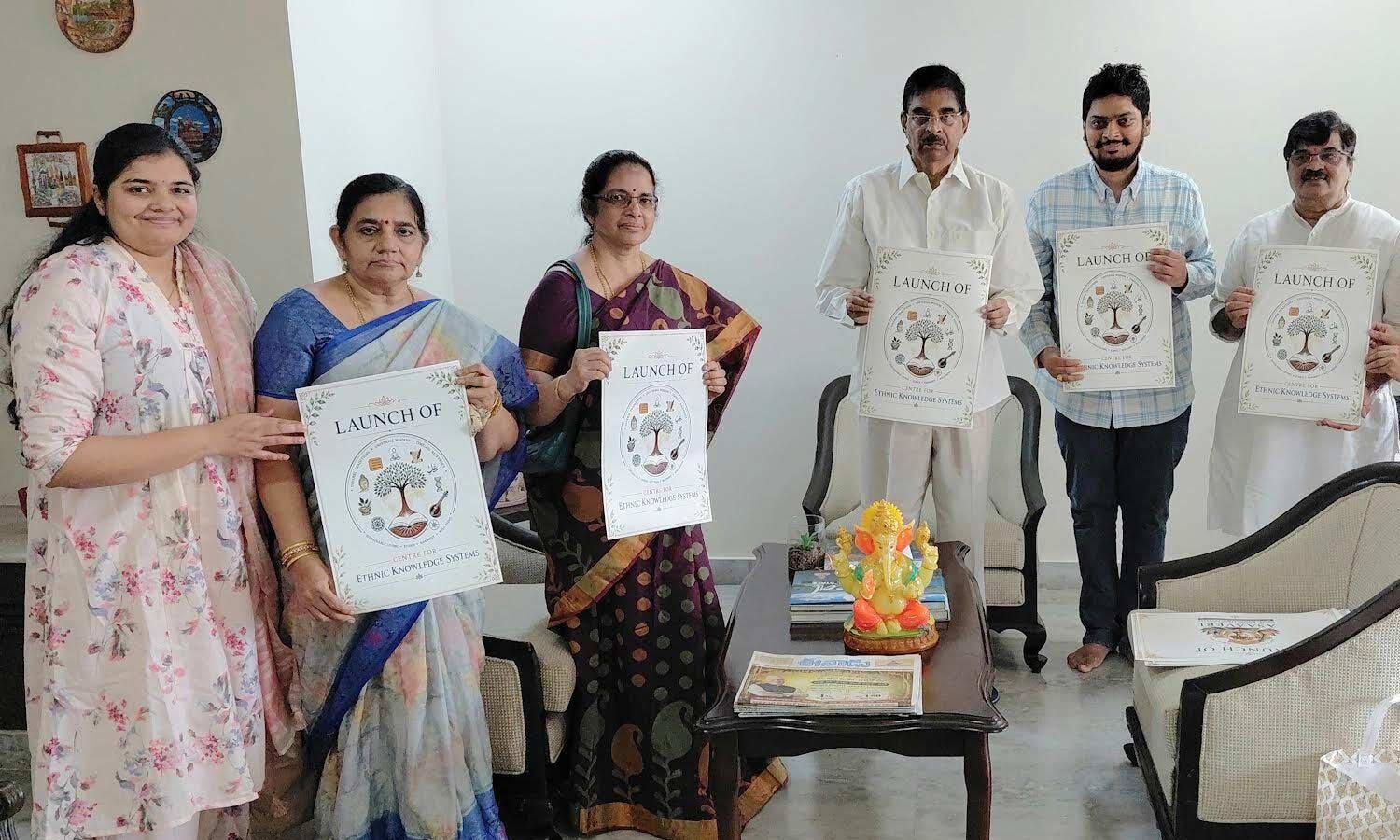
Odisha Governor Launches Two Centres for Indigenous Knowledge

Jitendra Singh Urges Traditional Knowledge Integration With Modern Science
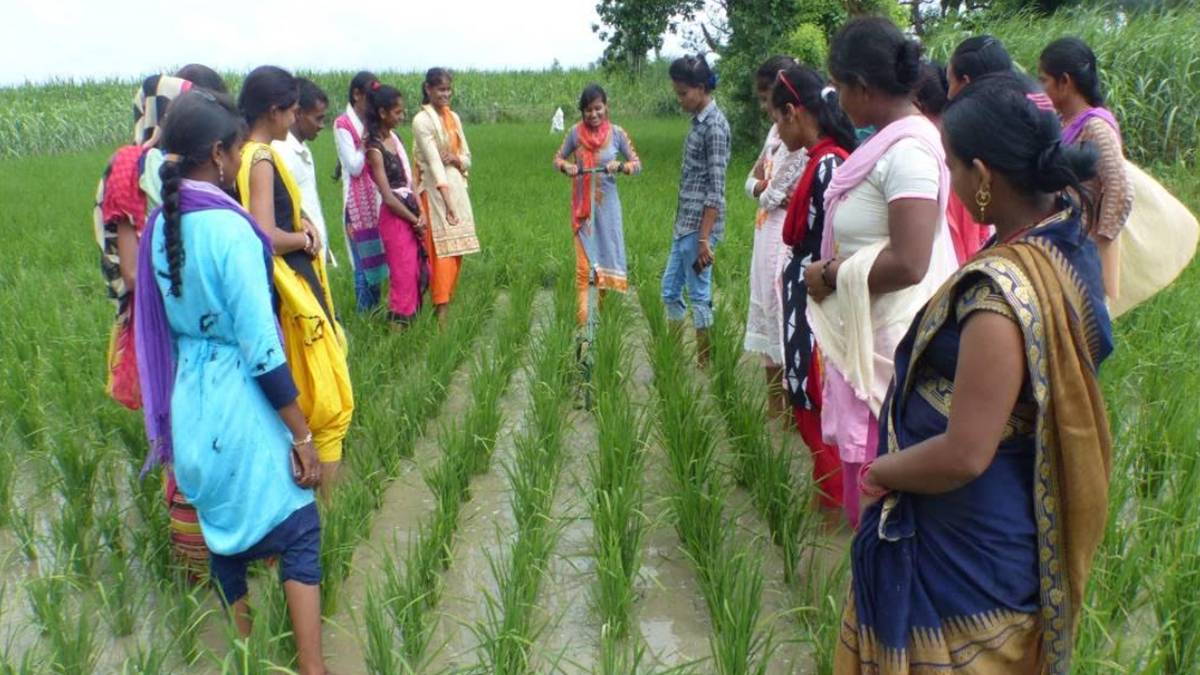
How Apurva.ai Uses AI to Scale Grassroots Knowledge

Governor Calls On Youth To Blend Technology, Heritage
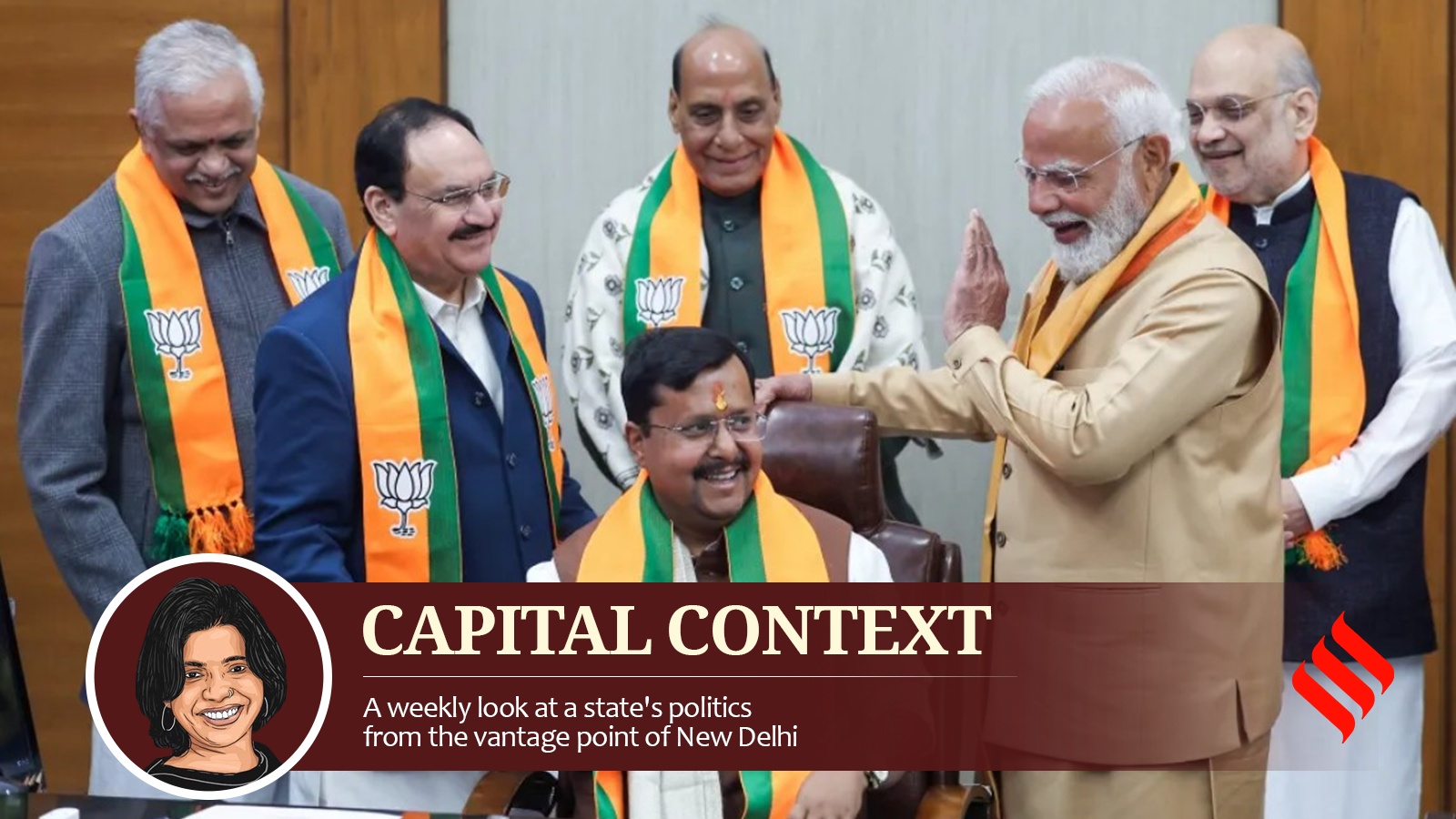
Recent Protests Push India’s BJP Toward Greater Political Caution

KBC 18 Contestant Quits Rs 1 Crore Pythagoras Question
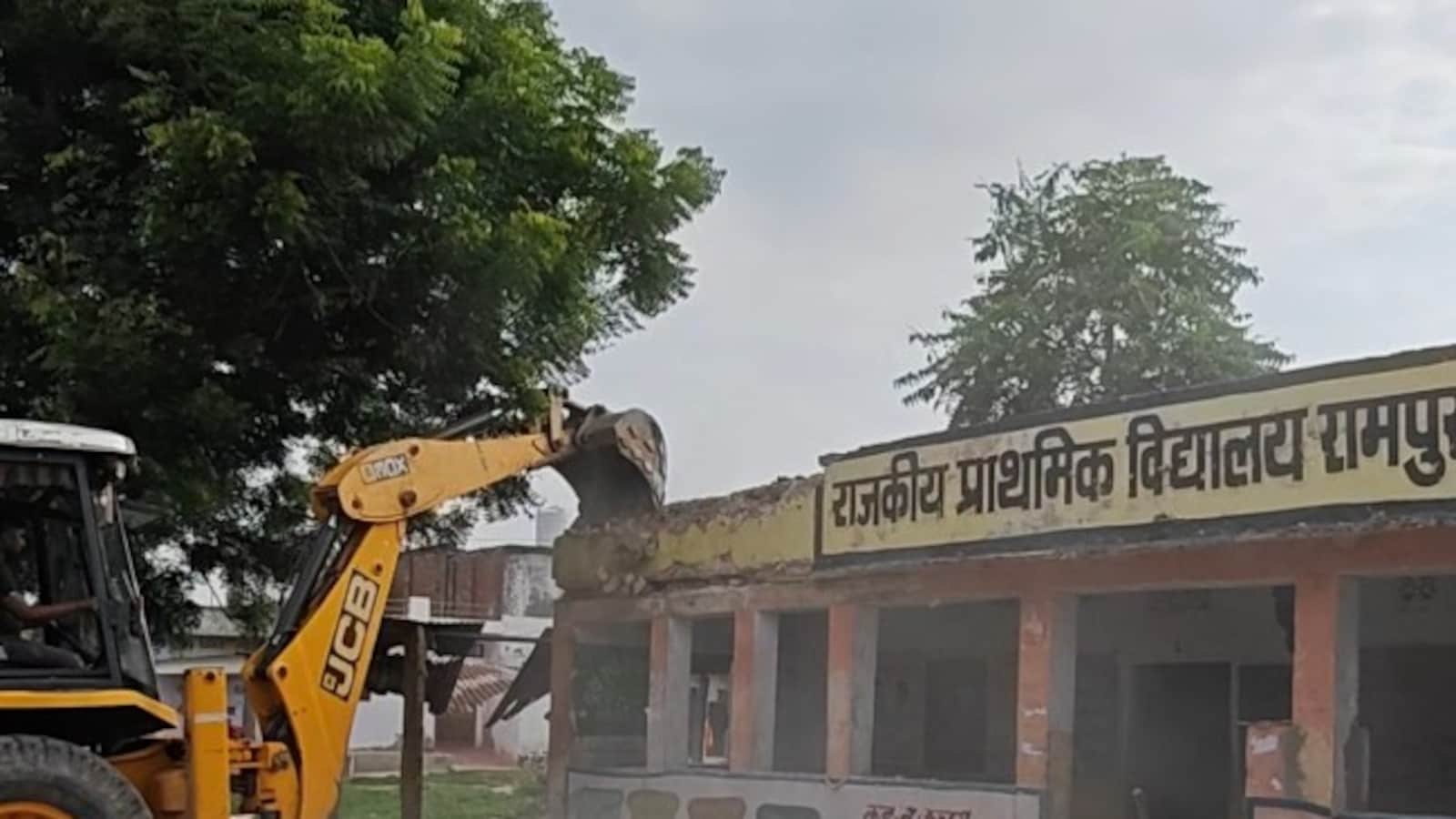
Rajasthan Demolishes Rampura School After CJP Campaign, New Building Approved

Adilabad Police Arrest Suspect in Rs 5.3 Crore Instagram Fraud

Volume Shockers Rise as Indian Markets Face Broader Pressure