

4 days ago
São Tomé’s Colonial Plantations Gain UNESCO Heritage Status Amid Renewal
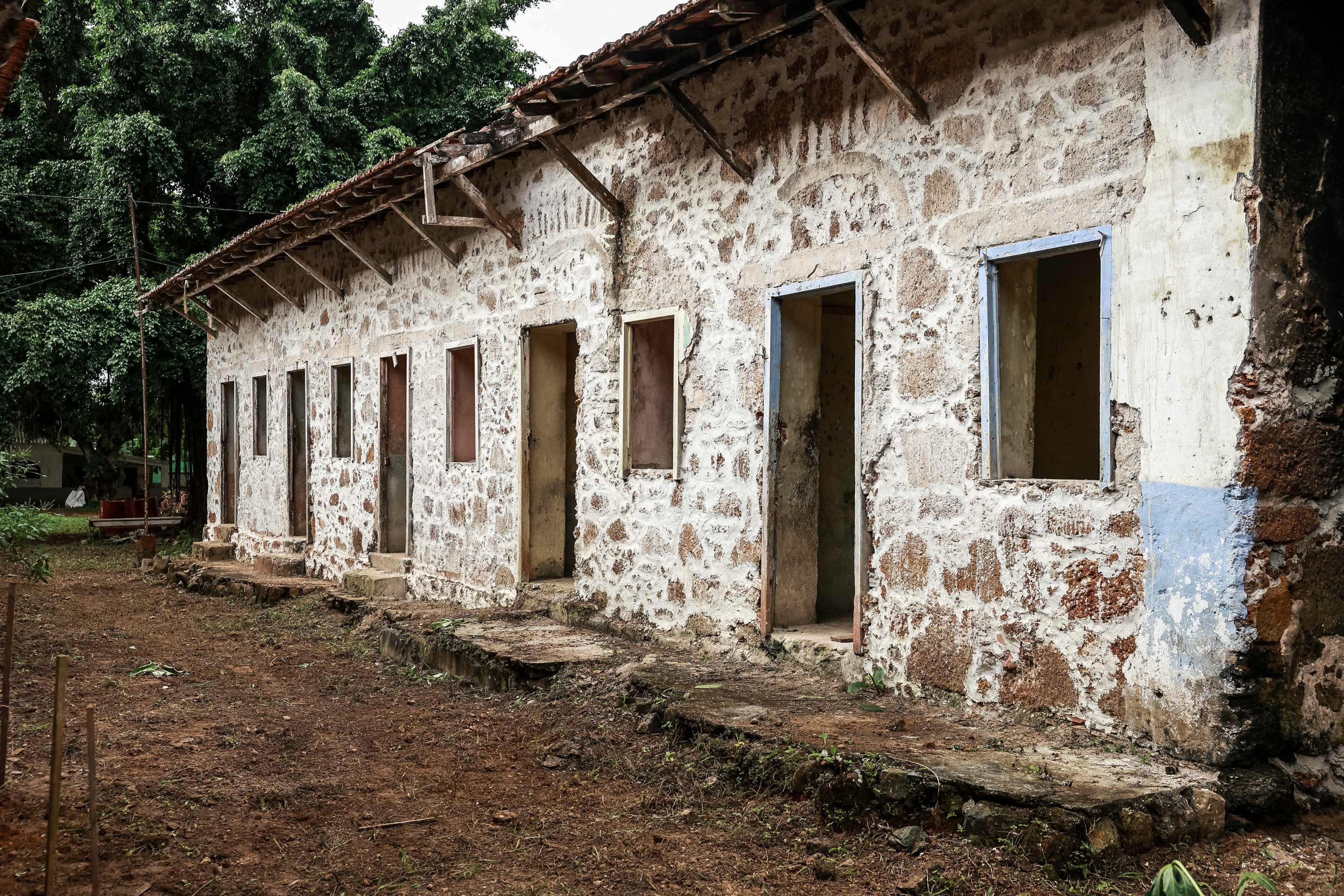
São Tomé and Príncipe has old plantations called roças.
These plantations were built during Portuguese colonial rule.
Enslaved people and later forced contract workers grew sugar, cocoa, and coffee there.
Many of the workers came from other African countries.
Six roças were recently named UNESCO World Heritage sites.
This means the sites are considered important to the history of the world.
Many buildings are now damaged, overgrown, or abandoned.
Investors are turning some of them into hotels.
Officials say tourism can help save the buildings, but the painful history must continue to be remembered.

Six colonial-era plantation estates, known as “roças,” were added to UNESCO’s World Heritage List last month.
The plantations relied first on enslaved people and later on contract workers brought from other African colonies, often by force.
Most of the roças are abandoned or deteriorating, creating a major preservation challenge for São Tomé and Príncipe.
Private investors are converting some historic buildings into hotels while promising to preserve their architecture and cultural significance.
The government has launched a 10-year restoration plan, and officials hope 10 more roças could eventually gain UNESCO status.
- Who
- São Tomé and Príncipe’s government, UNESCO, plantation descendants, and private investors including HBD are involved.
- What
- Six colonial plantation estates, or roças, received UNESCO World Heritage status amid plans for restoration and tourism development.
- Where
- The plantations are on the islands of São Tomé and Príncipe in the Gulf of Guinea, including Sundy plantation on Príncipe.
- When
- The six roças were added to the UNESCO World Heritage List last month; the government has launched a 10-year restoration plan.
- Why
- The sites document a colonial agro-industrial system based on forced migration and labour and are being preserved while new uses are developed.
Heritage and Community Preservation
Investment and Tourism Development
How the roças should be used
Heritage and Community Preservation
Officials and descendants emphasize that the sites preserve collective memory and that their history of slavery and forced labour must be clearly told.
Investment and Tourism Development
Investors argue that hotels and other new uses can bring employment and help preserve buildings that were otherwise unused or deteriorating.
Impact on local residents
Heritage and Community Preservation
Some former workers and their descendants still live at the plantations and have strong cultural connections to them, raising the importance of community involvement.
Investment and Tourism Development
HBD says renovating the roças will create attractive hotels where hundreds of people can work, while preserving the old buildings and culture.
Key facts
- Heritage designation
- Six roças were added to UNESCO’s World Heritage List last month.
- Colonial production
- The plantations cultivated sugar cane, cocoa, and coffee.
- Labour system
- They initially used enslaved people, later replacing them with contract workers often brought by force from other African colonies.
- Current condition
- Most roças are abandoned, run-down, unsanitary, or overgrown with weeds.
- Tourism project
- HBD owns two former roças on Príncipe and has converted a plantation owner’s mansion into a five-star hotel.
- Restoration plan
- São Tomé and Príncipe has launched a 10-year plan to restore the buildings and find new uses for them.
- Potential expansion
- A culture ministry official said 10 more roças could join the UNESCO list in five to 10 years.
Quotes
Conceicao Moreno
A Sao Tome and Principe National Assembly member and descendant of plantation workers.
“The buildings preserve the collective memory of Sao Tome and Principe from the colonial era to the present day.”
 deccanchronicle.com
“My grandmother lived here, my father was born here and I was born here too. It's our heritage, in a way.”
deccanchronicle.com
Egbert Bloemsma
CEO of HBD Hotels.
“It's important we do our part, renovate the 'rocas', preserve the old building, preserve the culture that was here.”
deccanchronicle.com
Sources
Related news
Kumar Sangakkara Revives Galle Fort’s 120-Year-Old Heritage Villa
Mae Salong Tea Pilgrimage Reconnects Memory, History, and Environmental Costs
History and Culture Quiz Tests Five UPSC Topics
Billionaire Turns Dying Scottish Island Into $135 Million Revival
