3 weeks ago
Iran, Oman Reach Strait of Hormuz Framework Agreement
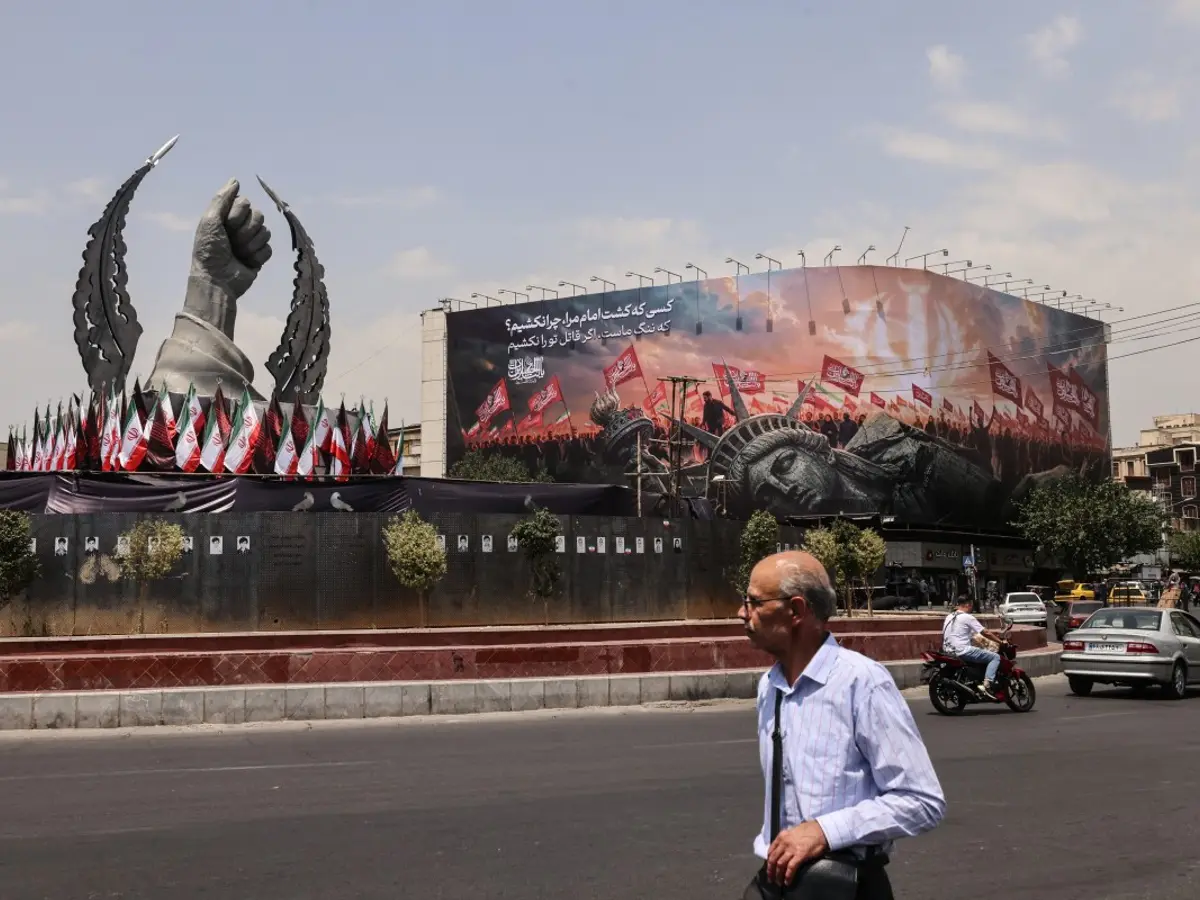
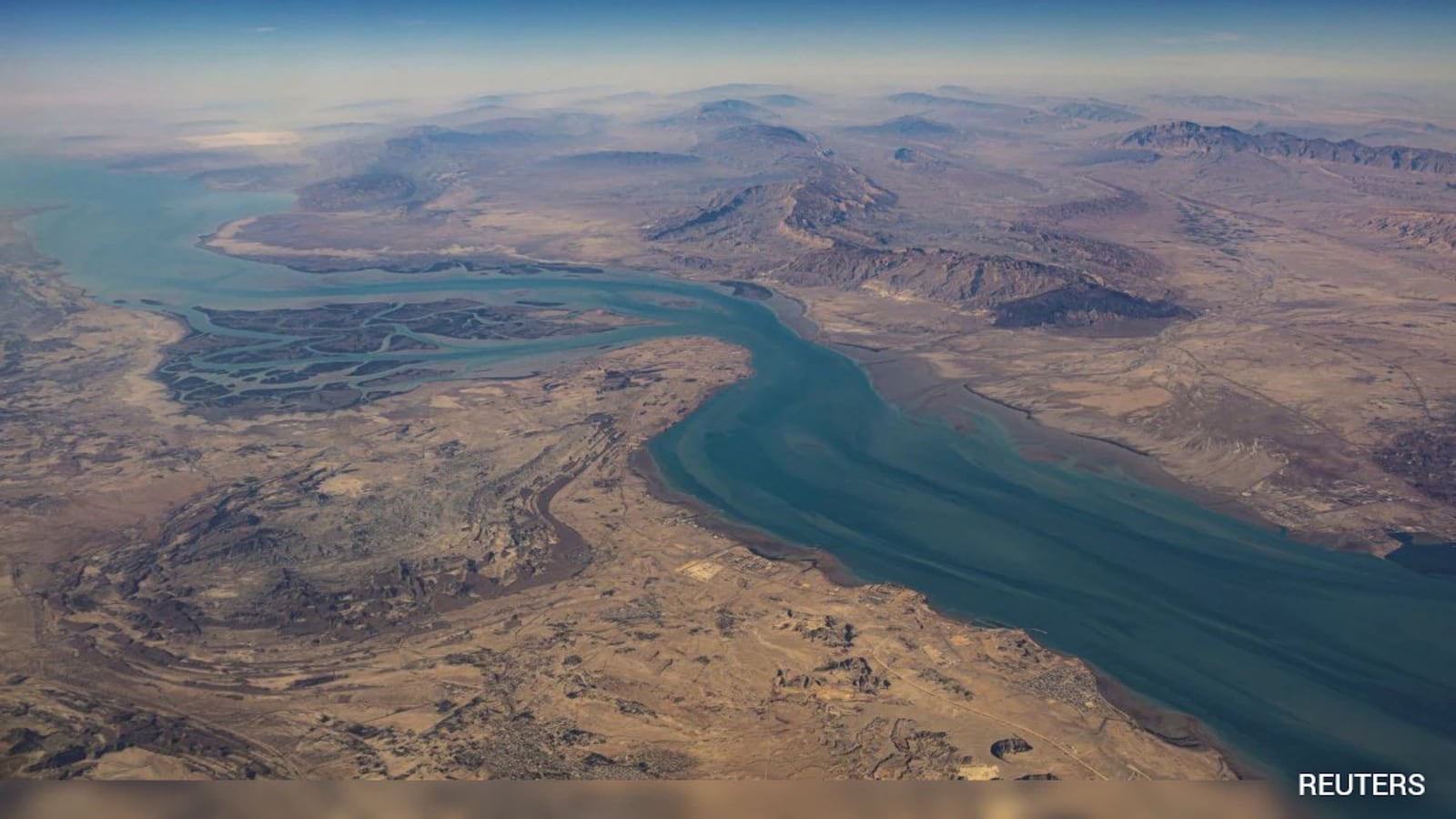
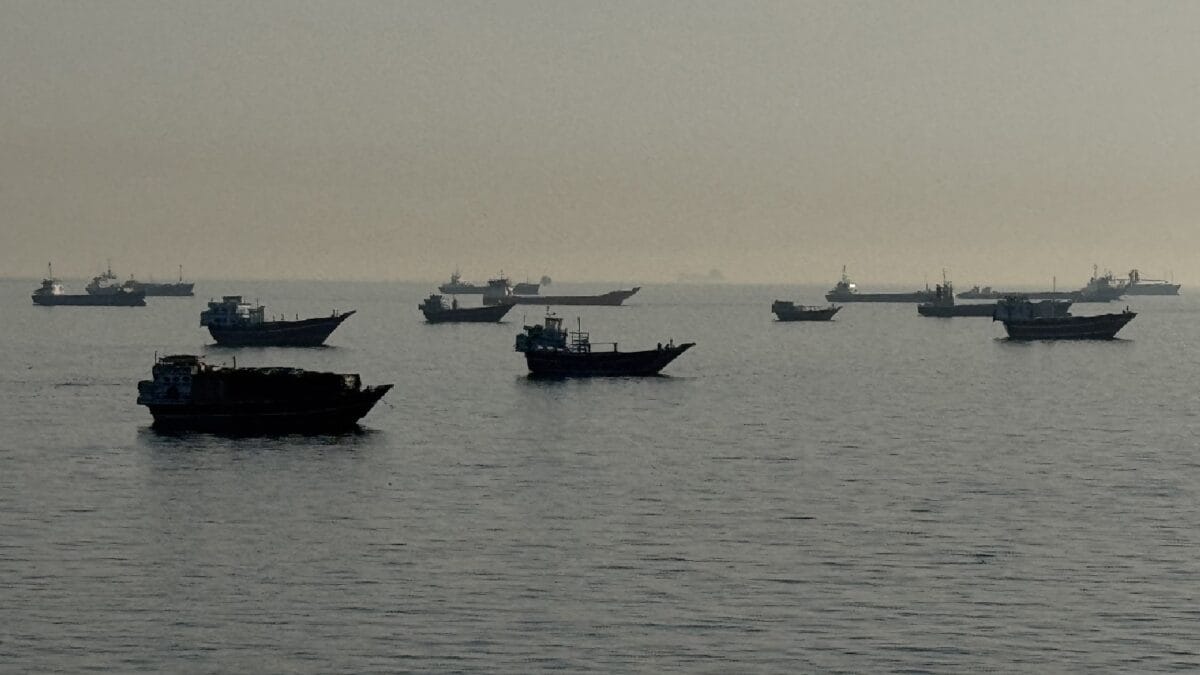
The Strait of Hormuz is a narrow strip of water in the Middle East that many ships use to carry oil and gas around the world.
Since the United States and Israel attacked Iran in late February, fewer ships have been able to pass through safely.
Iran and a neighboring country called Oman have now agreed on the general idea, or "framework," for managing ships in the strait.
Under the plan, Iran would help decide which ships come in, and both countries would watch ships as they leave.
The final details have not been announced yet, and the top leadership still has to give its approval.
Iran says the strait can only fully reopen if the United States stops its sea blockade.
The US says the strait is an international waterway and ships should be able to pass freely without paying fees.
Some Iranian lawmakers want to keep US and Israeli ships out of the strait.
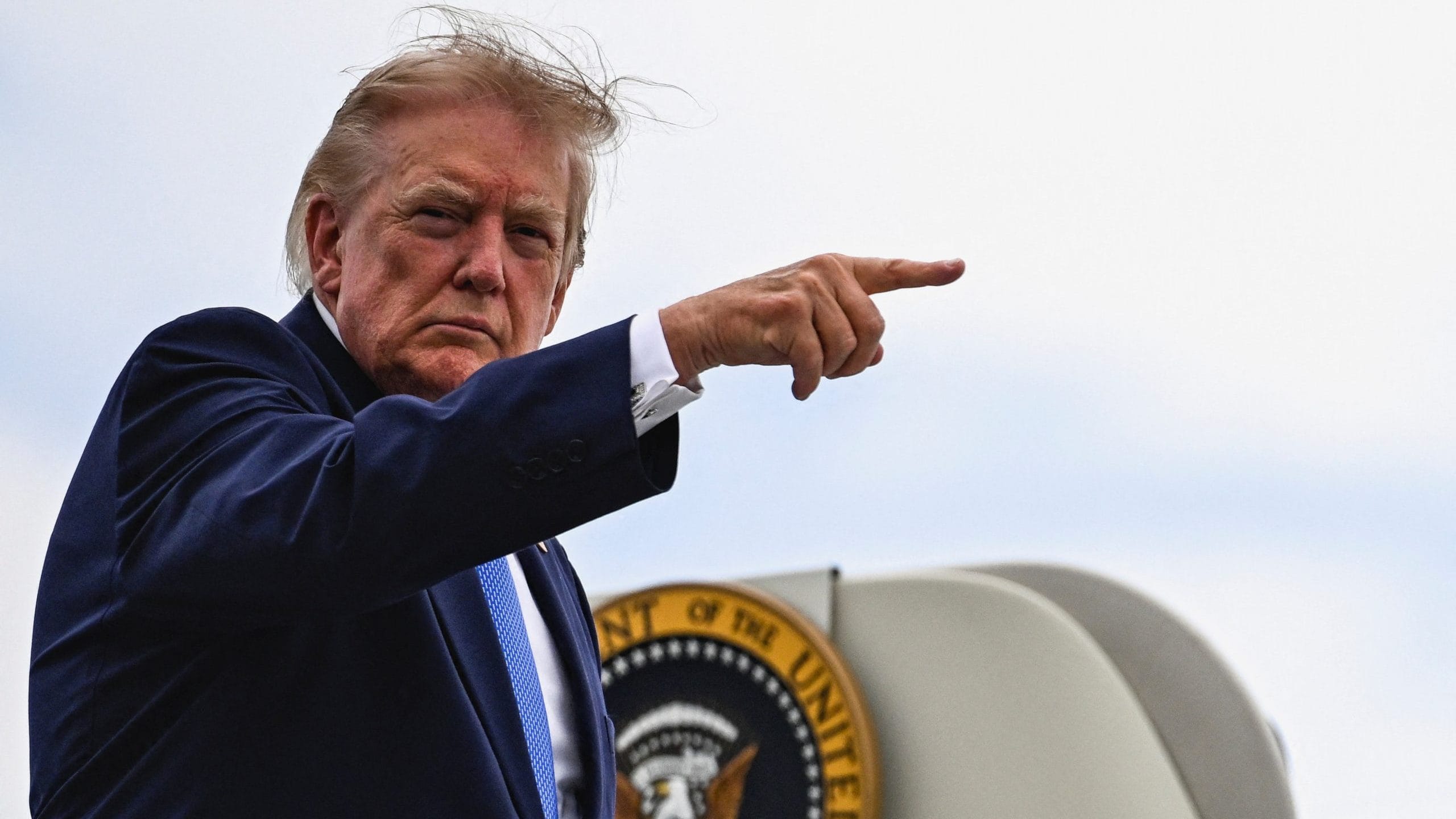
US President Donald Trump says the talks are "moving along" and that the US "controls" the waterway.
Everyone hopes the agreement will help energy shipments and peace talks.

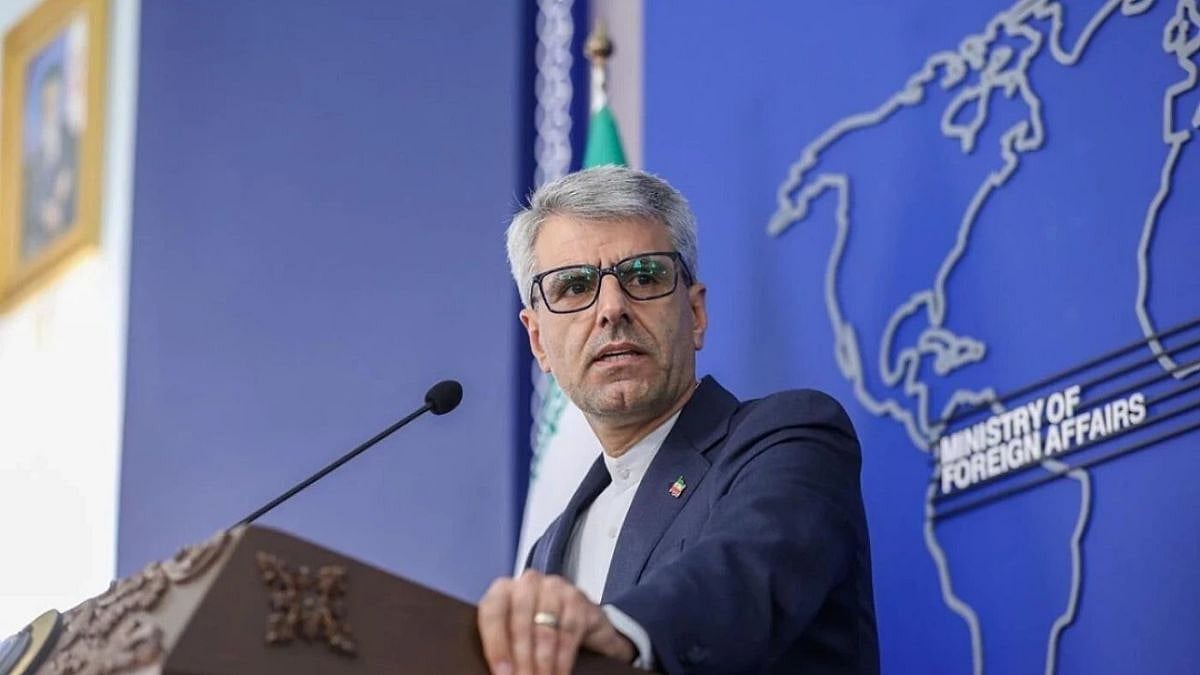
Iranian Parliament National Security Commission spokesperson Hassan Ghashghavi said Iran and Oman have agreed on a general framework for managing the Strait of Hormuz, with the final text and details to be announced soon.
Per Fars news agency, the draft gives Iran control over vessel entry and joint Iran-Oman oversight of exits, with transit through a "central corridor."
Iran says full reopening depends on the US lifting its maritime blockade, addressing oil sanctions, and resuming negotiations over frozen assets.
The US insists on unrestricted, toll-free passage, saying no party controls the international waterway, while some Iranian lawmakers propose barring US and Israeli vessels.
President Donald Trump said talks are "moving along" and "We control it, but they can always shoot something," even as Iran maintains the US is not directly involved.
- Who
- Iran, represented by parliamentary spokesman Hassan Ghashghavi and Deputy Foreign Minister Kazem Gharibabadi, and Oman, with the US (President Donald Trump) commenting on the talks.
- What
- A general understanding framework to manage vessel movements in the Strait of Hormuz, including Iranian control over entry and joint Iran-Oman oversight of exits, with full reopening remaining conditional.
- Where
- Strait of Hormuz, the waterway between Iran and Oman.
- When
- Announced this week; a US official commented on Thursday and officials said details of the agreement with Muscat would be announced soon.
- Why
- To boost reduced energy shipments through the key oil chokepoint and potentially help restart wider US-Iran negotiations aimed at ending the war.
Iran
United States
Vessel control and access
Iran
Entry and exit points should be subject to Iranian management and control; some lawmakers want US and Israeli vessels barred and compensation from hostile countries
United States
The strait is an international waterway and no party controls the lanes; transit should require no approvals, permissions, tolls or charges
Conditions for reopening
Iran
Full reopening depends on the US lifting its maritime blockade, addressing oil sanctions and resuming frozen-asset negotiations
United States
Washington has not indicated it will lift the blockade; Trump says talks are "moving along" and has demanded resumption of navigation
Role in negotiations
Iran
Discussions are between Tehran and Muscat only; the US is not directly involved
United States
Trump says "We control it" and that the US is engaged in negotiations
Key facts
- Framework
- General understanding between Iran and Oman; final text and details to be announced soon
- Draft provisions (per Fars)
- Iran controls vessel entry; joint Iran-Oman oversight of exits; transit via a "central corridor"
- Iran's conditions for full reopening
- Lifting of the US maritime blockade, addressing sanctions on its oil sector, and resuming frozen-asset negotiations
- US position
- Temporary routes without approvals, permissions, tolls or charges; the strait is an international waterway no party controls
- Lawmaker proposals
- Ban on US and Israeli vessels; compensation from "hostile countries"; restrictions on Israel-linked cargo; a fee system
- Approval required
- Final decision must be made at higher levels; Supreme Leader Mojtaba Khamenei's approval is uncertain
- Energy context
- Shipments continue at reduced levels since US and Israeli attacks on Iran in late February
- Latest tensions
- Fars reported Iranian naval strikes on "hostile targets" at the entrance of the strait late Thursday
Quotes
U.S. official
United States government representative
“Any temporary routes will be without any impediments — meaning no approvals or permissions and no tolls or charges. The Strait of Hormuz is an international waterway, and no party controls the lanes or the ability to transit through them.”
 wionews.com
“"Any temporary passage routes through the strait would not require approvals, permissions, tolls or charges."”
 livemint.com

Hassan Ghashghavi
Iranian Parliamentary Spokesperson
“I state with confidence that both the entry and exit points of the maritime route through the Strait of Hormuz will be subject to Iranian management and control.”
wionews.com
“"The general framework of the understanding with Oman has been determined, and the final text and details will be announced soon."”
wionews.com
livemint.com
Sources

Related news

Iran-Oman Hormuz Deal in Final Stage; Trump Says Announcement Near

Iran Says Hormuz Deal Close, Reopening Depends on US Conditions
Iran Says Strait of Hormuz Deal With Oman Being Finalised
Iran, Oman Finalise Hormuz Transit Deal Amid US Threats
Iran and Oman Report Progress Toward Strait of Hormuz Accord
Iran-Oman strike landmark deal to secure Strait of Hormuz
US expects Iran-Oman Hormuz deal; three nations sign defense pact