2 hrs ago
Republican senators urge Trump to release stalled Taiwan security funds

Four Republican senators want the United States to send Taiwan security assistance that Congress already approved or considered.
They wrote to Secretary of State Marco Rubio and Defense Secretary Pete Hegseth.
They said more than $15 billion is delayed.
This includes $300 million from the State Department and $1 billion from the Defense Department.
Another possible weapons package is worth about $14 billion.
President Donald Trump previously called the $14 billion package a useful negotiating chip with China.
The senators worry that delaying the assistance could make it harder for the United States to deter threats in the Indo-Pacific.
China opposes United States arms sales to Taiwan, which Beijing claims as its territory.
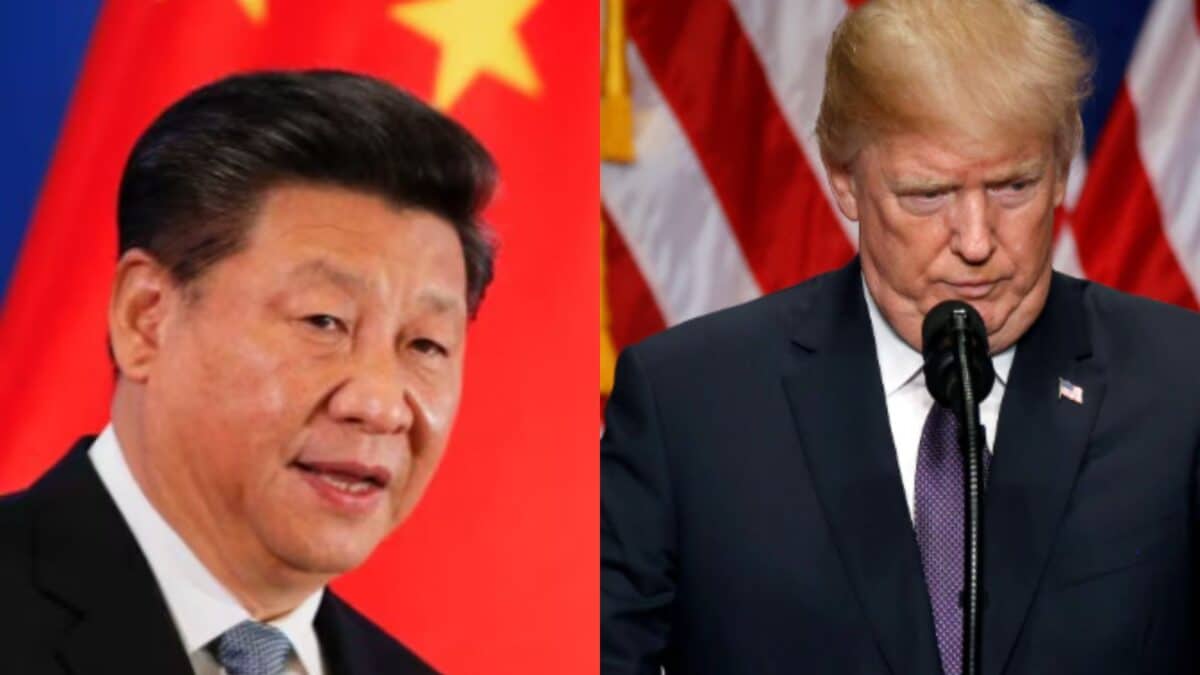
Their letter was sent as President Xi Jinping prepared to visit Washington.

Four Republican senators urged the Trump administration to release more than $15 billion in stalled security assistance for Taiwan.
The letter cited $300 million in foreign military financing that the State Department has not advanced.
The senators said the Defense Department has not obligated $1 billion appropriated for Taiwan.
A separate $14 billion foreign military sales package has been awaiting administration approval for months.
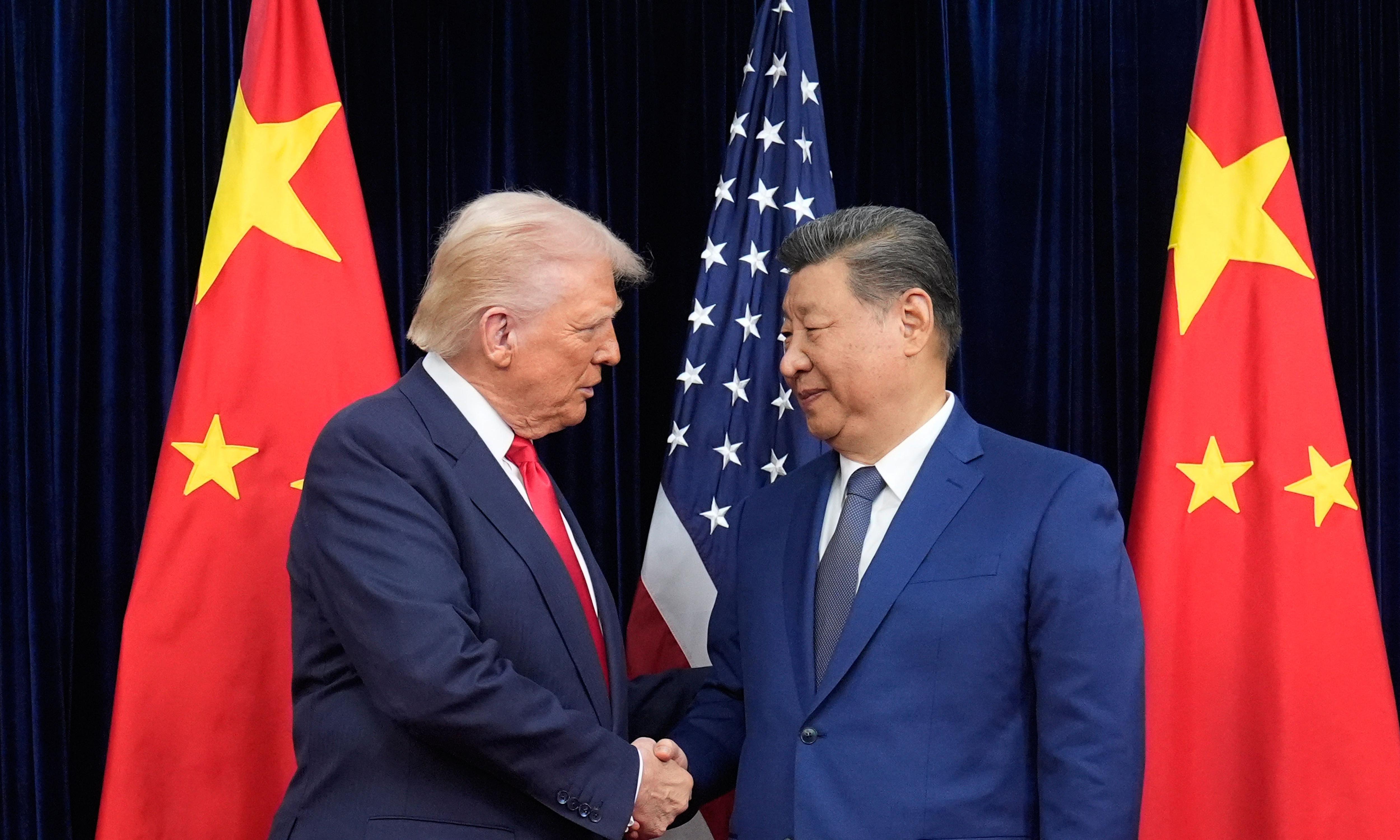
The appeal came as Chinese President Xi Jinping prepared for a three-day Washington visit and possible discussions about Taiwan arms sales.
- Who
- Republican Senators Mitch McConnell, John Cornyn, Lisa Murkowski and Thom Tillis urged the Trump administration to release Taiwan security assistance; the letter was addressed to Marco Rubio and Pete Hegseth.
- What
- They called for the release or approval of more than $15 billion in stalled national security assistance and arms sales for Taiwan.
- Where
- Washington, United States; the assistance concerns Taiwan and the Indo-Pacific.
- When
- The letter was reported on Wednesday, September 23, as Xi Jinping prepared for a three-day visit to Washington.
- Why
- The senators said delaying the assistance could undermine United States influence and deterrence, while China has urged the United States to stop arms sales to Taiwan.
Senators urging release
Administration and Chinese objections
Whether to release the assistance
Senators urging release
The four Republican senators argued that withholding approved or proposed assistance weakens United States credibility, influence and deterrence in the Indo-Pacific.
Administration and Chinese objections
The Trump administration had not approved the $14 billion package and had left other funds unadvanced or unobligated; Trump described the package as a negotiating chip with China.
Taiwan arms sales and diplomacy
Senators urging release
The senators said diplomatic appearances should not come at the cost of partners’ deterrent capabilities.
Administration and Chinese objections
China has repeatedly called for an end to United States arms sales to Taiwan, and Xi was expected to press Trump on the issue during his Washington visit.
Key facts
- Senators involved
- Mitch McConnell, John Cornyn, Lisa Murkowski and Thom Tillis
- State Department funds
- $300 million in foreign military financing that the senators said had not moved forward
- Defense Department funds
- $1 billion that the senators said had not been obligated
- Pending arms package
- A foreign military sales package worth about $14 billion had been on hold for months
- Earlier approved package
- The administration approved an $11 billion Taiwan arms package in December
- Chinese position
- China regularly calls Taiwan its territory and opposes United States arms sales to the island
- Trump’s description
- Trump described the delayed $14 billion package as a “very good negotiating chip”
Quotes
The four Republican senators
Republican US senators who signed the letter urging the administration to release Taiwan security assistance.
“It is difficult to imagine how the United States might credibly project influence deterrence in the Indo-Pacific if the price of keeping up diplomatic appearances is denying our partners key deterrent capabilities.”
 theprint.in
“We are concerned by President Trump’s description of Taiwan as ‘a very good negotiating chip’ in engagements with Xi Jinping and the Chinese Communist Party.”
theprint.in
Sources
Related news
Taiwan Maintains Close US Contact Over Arms Sales
Xi Expected to Press Trump Over Taiwan Arms Sales
Allies Fear Trump Could Soften Taiwan Stance Before Xi Summit
Why Taiwan Remains a Crucial and Sensitive Issue for China
Rubio Meets Asian Allies Ahead of Trump-Xi White House Summit
Trump and Xi Prepare for High-Stakes September 24 Summit
US Expands Social Media Checks for Three Visa Categories
News Outlets Seek Restoration of Trump White House Access
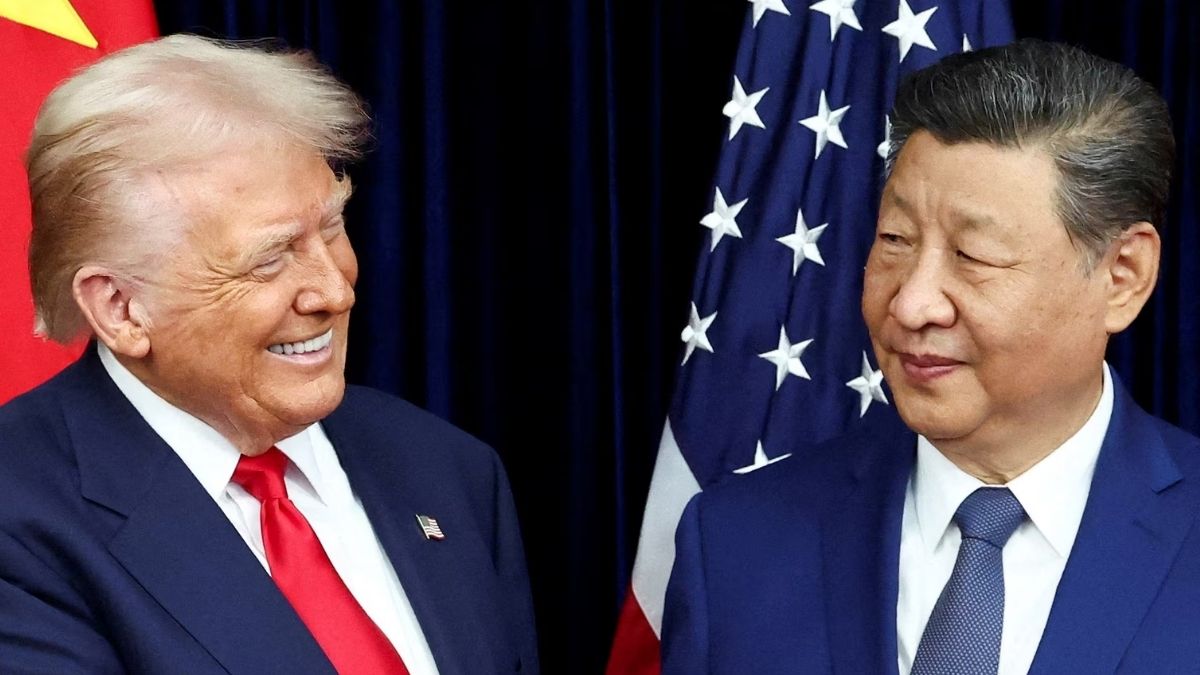
Trump-Xi Meeting Tests Fragile US-China Trade and Technology Truce
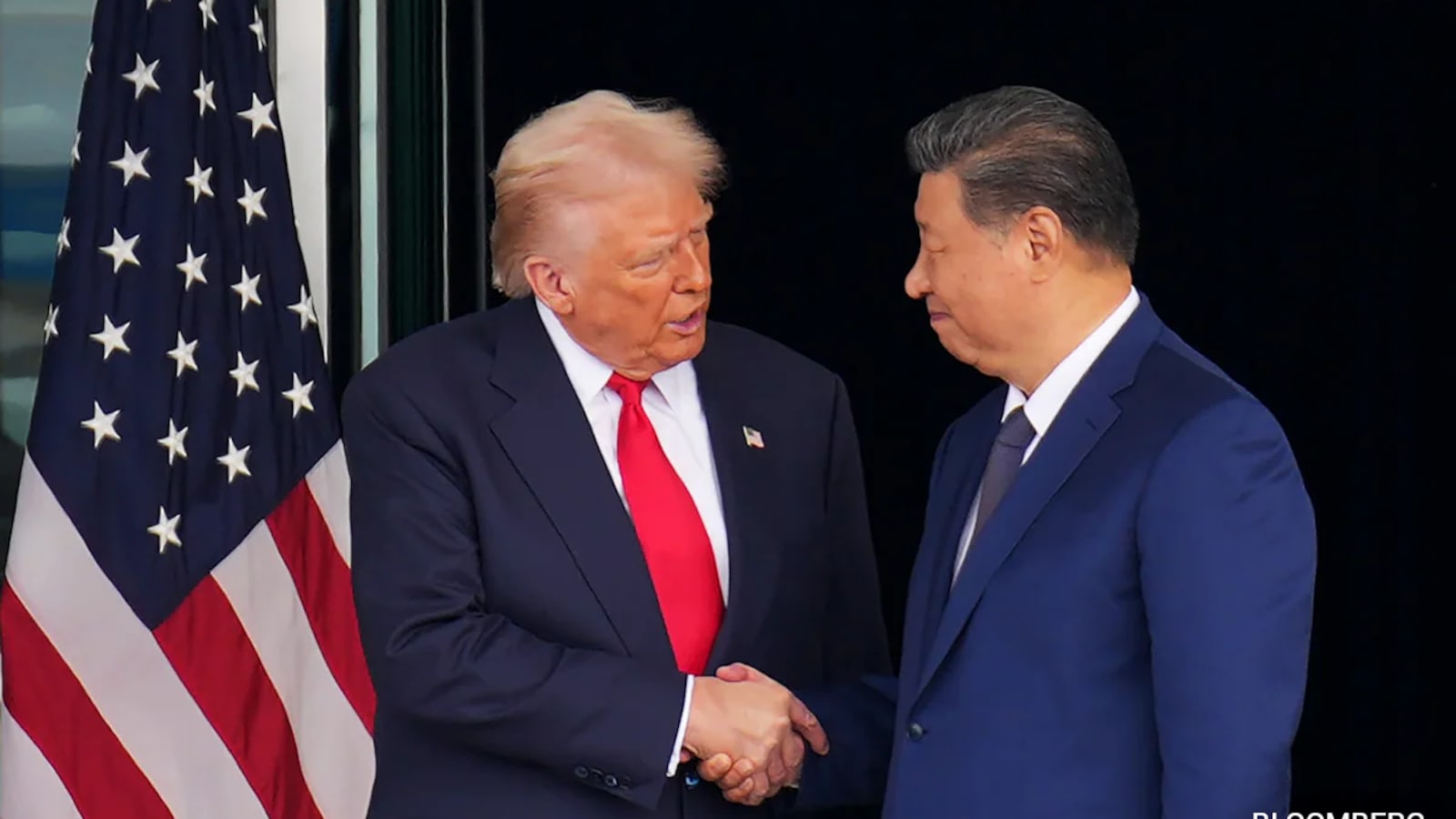
Trump-Xi Summit Emphasizes Pageantry Amid U.S.-China AI Feud