2 hrs ago
Why Taiwan Remains a Crucial and Sensitive Issue for China

China and Taiwan have disagreed about who should govern Taiwan for many years.
China says Taiwan is part of its territory and should eventually be reunited with the mainland.
Taiwan says China has never ruled it and that Taiwan can choose its own leaders.
The disagreement began after China’s civil war, when the losing Republic of China government moved to Taiwan in 1949.
China prefers peaceful reunification but has not ruled out using force.
The United States does not officially decide whether Taiwan belongs to China.
However, U.S. law allows Washington to provide Taiwan with ways to defend itself.
China strongly objects to American arms sales and official contacts with Taiwan.
These disagreements have led China to hold military exercises near the island.

Beijing considers Taiwan part of China and a core sovereignty concern, while refusing to renounce the use of force.
China says it prefers peaceful reunification and views Taiwan as an unresolved result of the Chinese civil war.
Taiwan rejects Beijing’s sovereignty claim and says it is already an independent country formally called the Republic of China.
The United States officially takes no position on Taiwan’s sovereignty but provides defensive support under the Taiwan Relations Act.
China has conducted military exercises around Taiwan after high-level U.S. engagement and arms sales to the island.
- Who
- China, Taiwan, and the United States are the main parties involved; Chinese President Xi Jinping, Taiwan President Lai Ching-te, and U.S. President Donald Trump are also mentioned.
- What
- The dispute concerns Taiwan’s political status, sovereignty, security, and relations with China and the United States.
- Where
- Taiwan, mainland China, Washington, and Taipei.
- When
- The current report is dated September 22; the dispute dates to the Chinese civil war and Taiwan’s postwar transfer in 1945.
- Why
- China considers Taiwan a core sovereignty and territorial-integrity issue, while Taiwan rejects Beijing’s claim and the United States supports Taiwan’s ability to defend itself.
Beijing’s Position
Taiwan’s and Washington’s Positions
Taiwan’s sovereignty
Beijing’s Position
China says Taiwan has been Chinese territory since ancient times, is part of China, and has no right to claim statehood.
Taiwan’s and Washington’s Positions
Taiwan says the People’s Republic of China has never ruled the island and has no right to represent it or exercise sovereignty over it.
Future political arrangement
Beijing’s Position
China says it wants peaceful reunification but has never renounced the use of force.
Taiwan’s and Washington’s Positions
Taiwan says it is already an independent country and does not need to make a separate formal declaration of independence.
U.S. arms and engagement
Beijing’s Position
China demands that the United States end arms sales and says high-level foreign contacts with Taiwan interfere in its internal affairs.
Taiwan’s and Washington’s Positions
The United States says its policy does not take a position on Taiwan’s sovereignty while its law supports Taiwan’s self-defense, and Taiwan says it has the right to engage with the world.
Key facts
- China’s position
- Beijing calls Taiwan a Chinese province and says it prefers peaceful reunification, while retaining the option of force.
- Taiwan’s position
- Taiwan says it is already an independent country formally known as the Republic of China.
- Civil-war background
- The Republic of China government moved to Taiwan in 1949 after losing China’s civil war to Mao Zedong’s communists.
- U.S. policy
- The United States recognizes Beijing diplomatically but officially takes no position on Taiwan’s sovereignty.
- U.S. support
- The Taiwan Relations Act commits the United States to providing Taiwan with the means to defend itself.
- Chinese response
- China has held military exercises around Taiwan after significant U.S. engagement and arms sales.
- Diplomatic contact
- The United States maintains a de facto embassy in Taipei called the American Institute in Taiwan.
Sources
Related news
Xi Expected to Press Trump Over Taiwan Arms Sales
Allies Fear Trump Could Soften Taiwan Stance Before Xi Summit
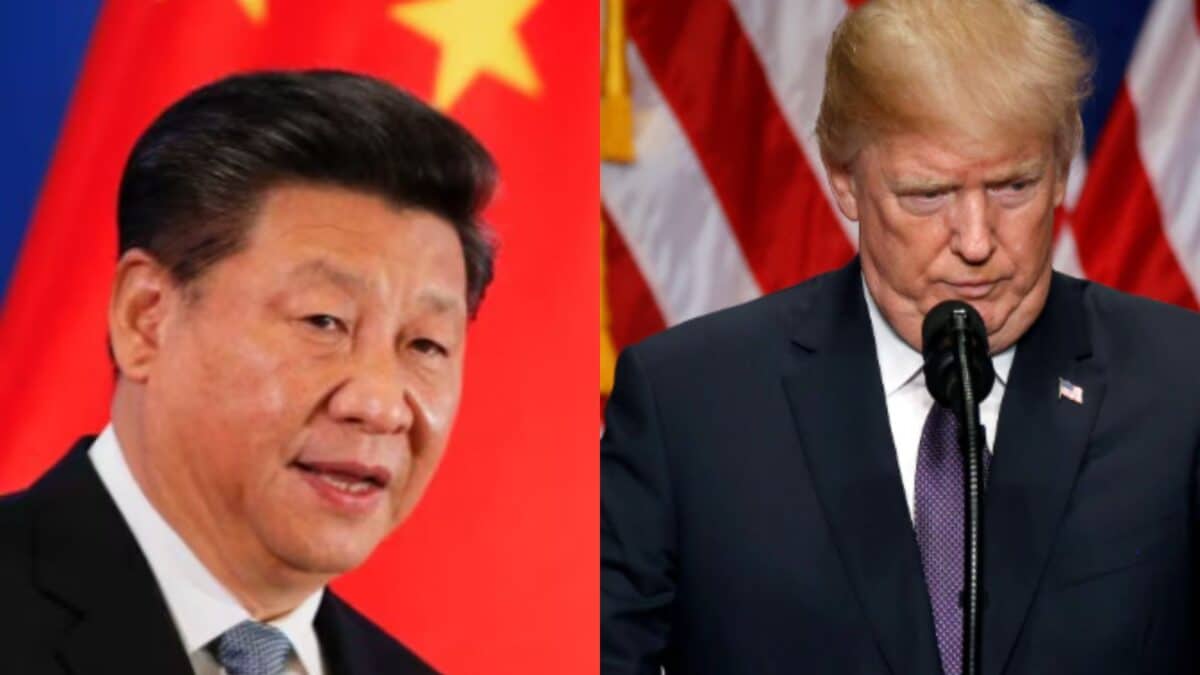
Trump and Xi Prepare for High-Stakes September 24 Summit
China Warns of Consequences Over Taiwan at Pacific Forum

Trump and Xi Prepare for High-Stakes White House Talks
China Reports Seabed Survey in Waters East of Taiwan
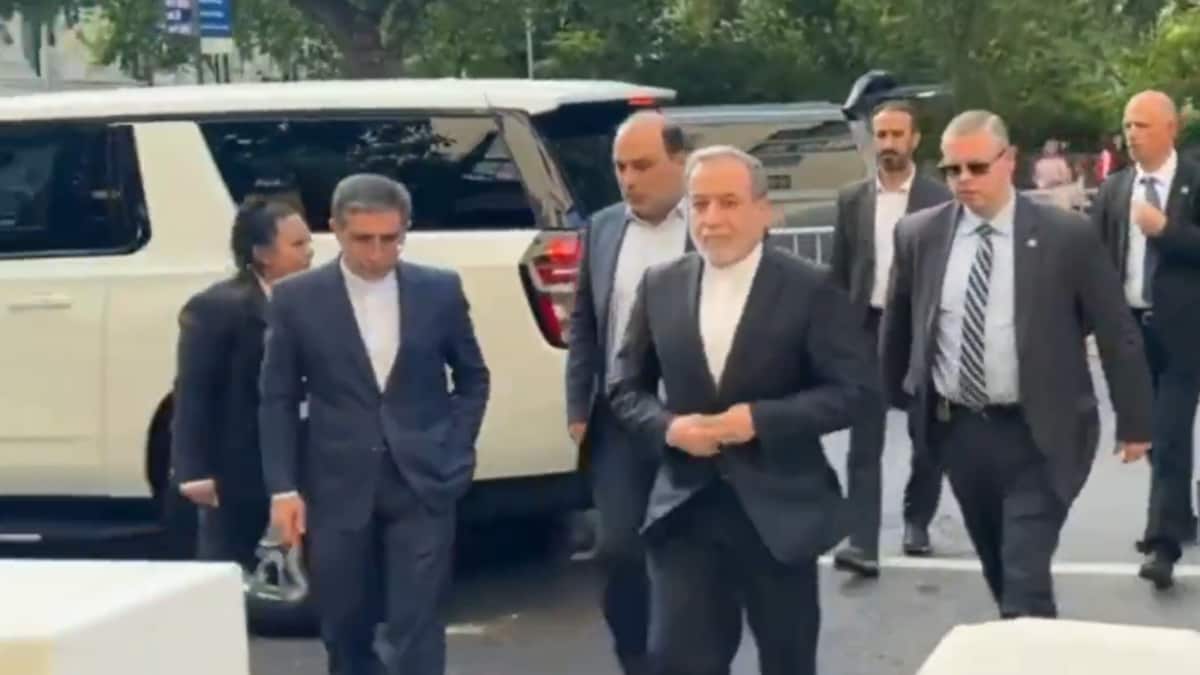
Iran's UNGA Delegation Faces Strict New York Restrictions
Rubio Meets Asian Allies Ahead of Trump-Xi White House Summit
New Order Targets H-1B Employers Cutting American Jobs

Xi Jinping to Visit United States for Trade Talks