47 mins ago
India Faces Oil Shock as Hormuz Alternatives Come Under Pressure
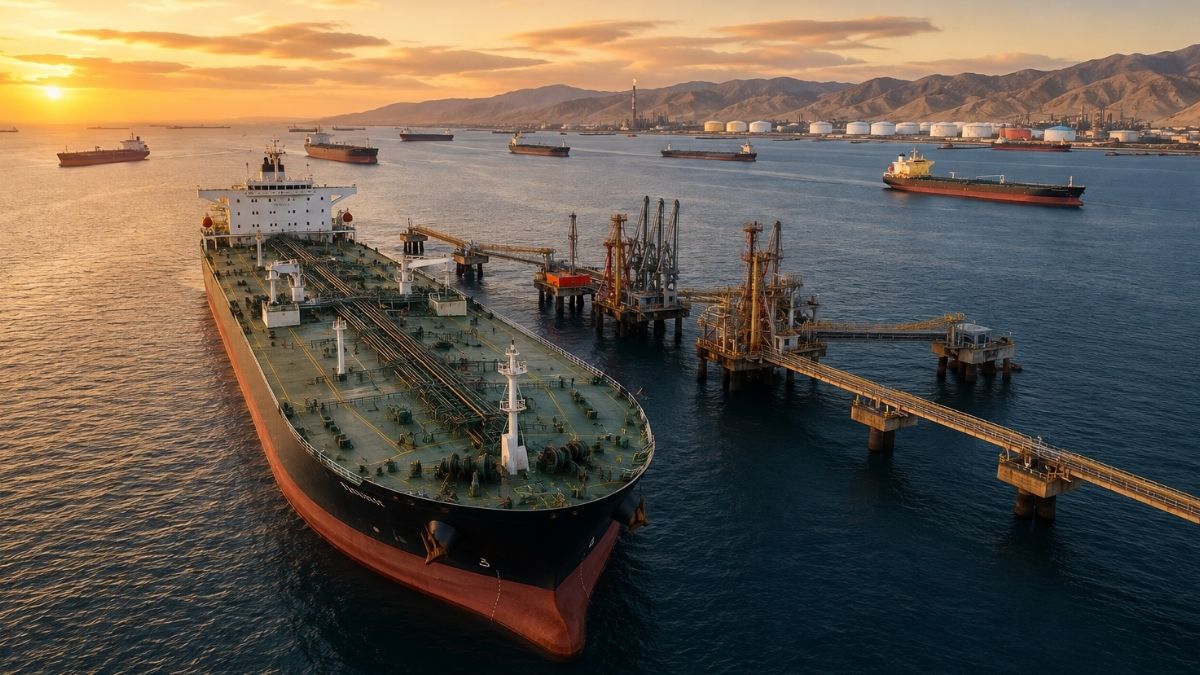
Several important routes that carry oil are facing problems at the same time.
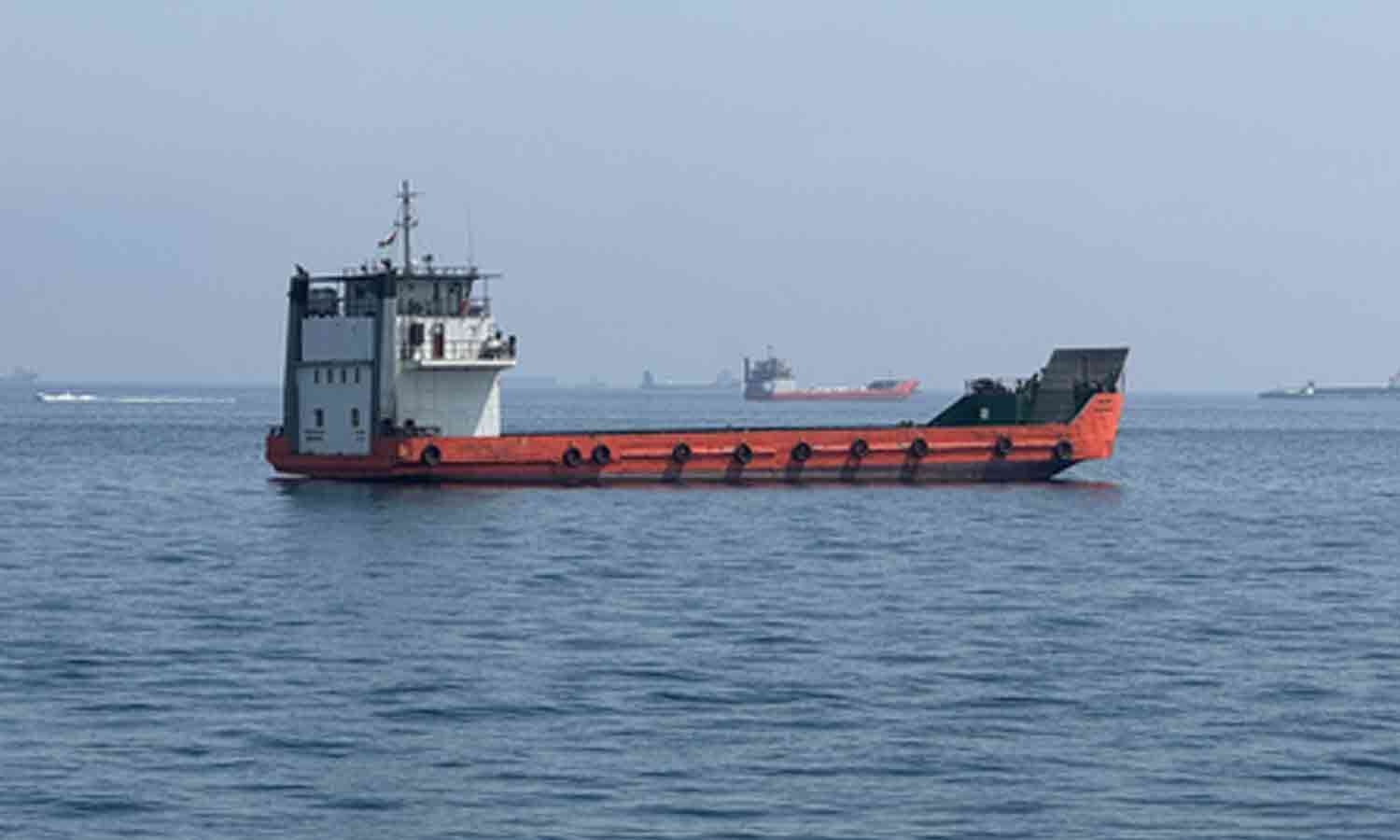
The Strait of Hormuz normally carries about one-fifth of the world’s daily crude oil and liquefied natural gas.
Ships are now using it much less because of war-related risks.
Saudi Arabia’s pipeline, which can move oil around Hormuz, was shut after a drone attack.
Another route, the Bab el-Mandeb Strait, is also less safe because of Houthi threats.
India buys much of its oil and LPG from other countries, so it could be affected by these disruptions.
India has made more LPG at home and bought oil from more countries to reduce the risk.
Even if India can find enough supplies, longer routes and competition could make fuel and other goods more expensive.

Traffic through the Strait of Hormuz has fallen sharply since shipping was disrupted by war.
A drone attack shut Saudi Arabia’s East-West pipeline, which can transport about 4 million barrels of crude daily.
Renewed Houthi threats are also undermining the Bab el-Mandeb route and Red Sea shipping.
India gets about 60% of its LPG from imports, with roughly 90% of those imports passing through Hormuz.
India has increased domestic LPG production and diversified crude supplies, but prolonged disruptions could raise fuel, freight and consumer costs.
- Who
- India, Saudi Arabia, global oil buyers, shipping companies and the Houthi movement are central to the situation.
- What
- Multiple oil and shipping routes are facing disruption, threatening supply security and raising transport and energy costs.
- Where
- The affected routes include the Strait of Hormuz, Saudi Arabia’s East-West pipeline, the Bab el-Mandeb Strait, the Red Sea and routes through Egypt.
- When
- The disruption intensified after the war began on February 28; a drone attack shut the Saudi pipeline on September 11, and India announced supply measures on March 8 and March 11.
- Why
- War-related shipping risks, a drone attack, and Houthi threats have reduced traffic through major oil corridors and forced buyers to consider longer, more expensive alternatives.
Key facts
- Hormuz's normal share
- The strait normally handles about 20% of the world’s daily crude oil and liquefied natural gas supply.
- Hormuz traffic
- Traffic fell to single-digit commodity-vessel crossings per day over one weekend, versus about 125 large commercial vessels daily before the war began.
- Saudi pipeline capacity
- The East-West pipeline had been moving about 4 million barrels of crude per day to Yanbu, roughly 4% of global oil supply.
- India's crude use
- India consumes about 5.5 million barrels of crude oil per day, according to the government.
- India's LPG exposure
- India imports about 60% of its LPG consumption, and around 90% of those imports come through Hormuz.
- Domestic LPG response
- India directed refineries to increase LPG production, which subsequently rose by about 25%.
- Saudi supply to India
- Saudi Arabia supplied 33.14 million metric tonnes of crude and 3.34 million metric tonnes of LPG to India in 2024-25.
Sources
Related news
Saudi Pipeline Outage and Houthi Moves Lift Oil Prices
Hormuz Disruption and Diesel Surge Threaten Global Economy

India Diversifies Oil Supplies as Hormuz Becomes Less Powerful

Saudi Pipeline Shutdown Sends Oil Prices Higher, Threatens India Supply
Omani Waters Emerge as Gulf Oil Route Amid Hormuz Risks
Saudi Arabia Shuts Oil Pipeline as Red Sea Tensions Escalate

India’s Retail Inflation Rises Above RBI Midpoint for Third Month
Congress attacks Modi government over rising wholesale inflation data

Gulf States Postpone Iran Meeting as Houthis Attack Saudi Arabia
India’s August Wholesale Inflation Nears 10% on Fuel, Food