3 weeks ago
Lok Sabha passes Bill allowing UPI and digital payment charges

In India, many people use a phone system called UPI to send and receive money instantly.
Until now, using UPI for payments has been free.
The Lok Sabha, which is one part of India's Parliament, passed a new law that lets the government allow banks to charge fees for UPI payments.
This kind of fee is called a Merchant Discount Rate, or MDR.
The government says the money is needed to keep the payment system running and make it stronger.
Some people, including the Congress party, worry that ordinary people will end up paying for something that used to be free.
The Congress party also says the government is giving in to pressure from America, because American companies like Visa and MasterCard lost business in India.
The head of India's central bank, the RBI, says someone has to pay for the payment system, either through fees or through taxes.
No new charges can happen yet, because the government still has to notify which payments will be affected.
For now, UPI remains free to use.

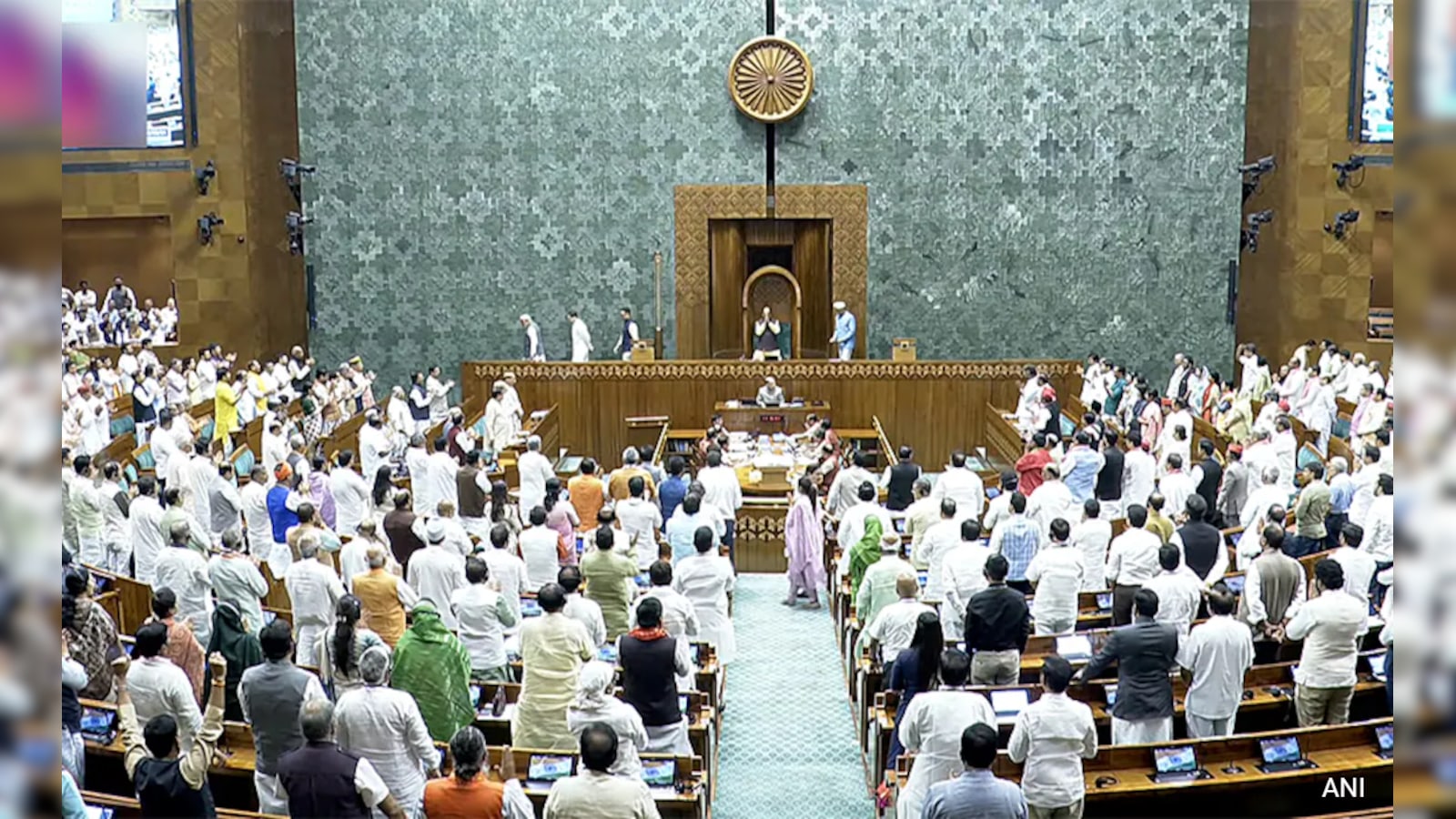
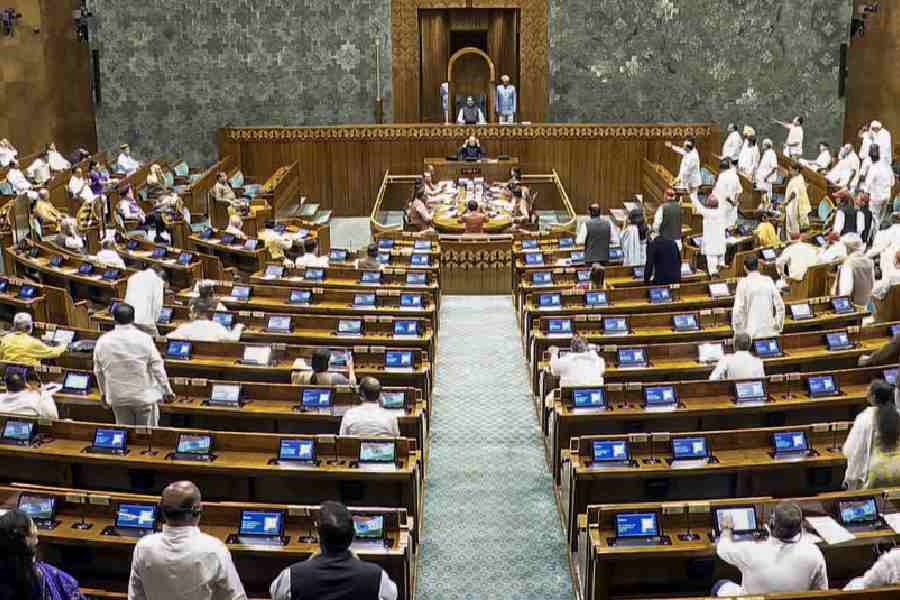
The Lok Sabha passed the Taxation and Other Laws (Amendment) Bill, 2026 by voice vote without discussion amid din, amending the Payment and Settlement Systems Act, 2007.
The amendment removes the Section 10A bar on Merchant Discount Rate (MDR), letting the central government notify one or more electronic payment modes on which banks and service providers may levy charges.
The government says the Bill aims to levy small charges on digital payment services while ensuring a sustainable revenue model for banks, payment service providers and payment infrastructure firms.
Congress general secretary Jairam Ramesh accused the government of diluting UPI under pressure from his 'good friend' US President Donald Trump, citing a US Trade Representative report criticising free UPI and RuPay for driving out Visa and MasterCard.
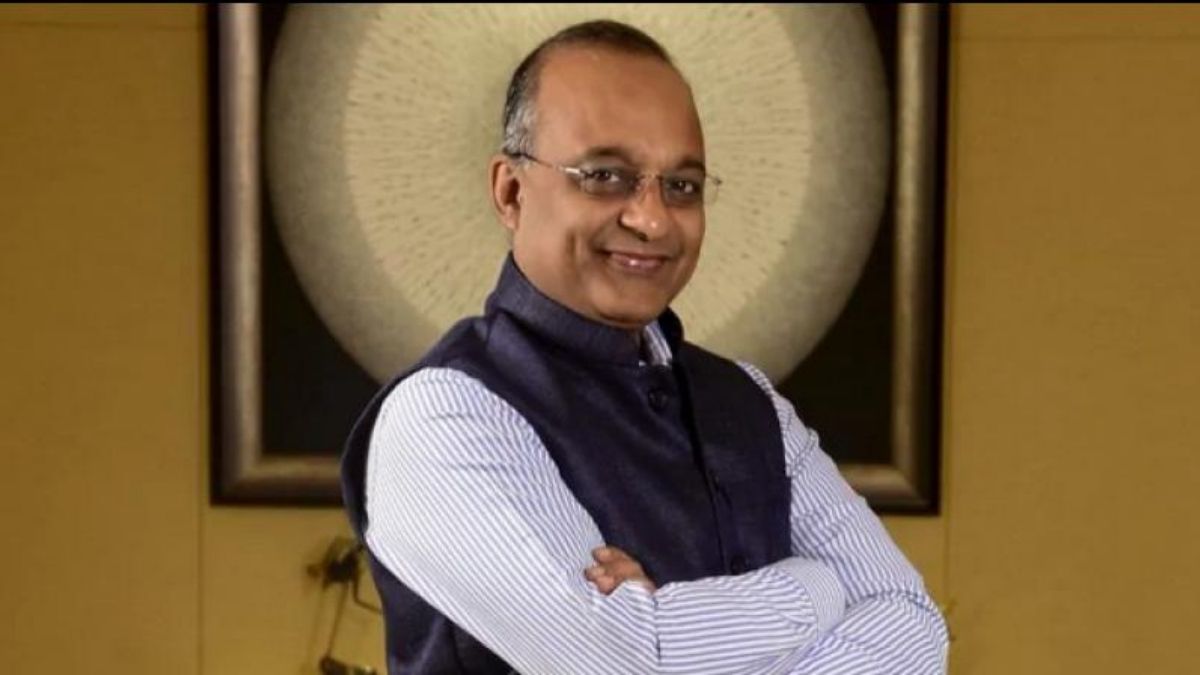
RBI Governor Sanjay Malhotra called MDR talk 'premature' but said someone must pay for payment infrastructure, either through taxes or the 'user pays' model.
- Who
- The Lok Sabha (India's lower house of Parliament), Finance Minister Nirmala Sitharaman, who moved the Bill, RBI Governor Sanjay Malhotra, and Congress general secretary Jairam Ramesh.
- What
- Passed the Taxation and Other Laws (Amendment) Bill, 2026, which amends the Payment and Settlement Systems Act, 2007 to let the central government permit banks and service providers to levy charges, including Merchant Discount Rate (MDR), on UPI and other notified electronic payment modes.
- Where
- Lok Sabha, the lower house of India's Parliament, in New Delhi.
- When
- Thursday, when the Bill was passed by voice vote after the House resumed at 2 pm; it was introduced in the Lok Sabha on Tuesday.
- Why
- To create a sustainable revenue model for banks, payment service providers and payment infrastructure firms; RBI Governor Sanjay Malhotra said payment infrastructure costs must be paid by someone, either through taxes or MDR.
Opposition (Congress)
Government and RBI
Should UPI charges be introduced?
Opposition (Congress)
Congress says UPI can remain free because the RBI has the financial capacity, including its Rs 2.86 lakh crore surplus transfer in 2025-26, to sustainably fund the ecosystem; MDR charges would burden ordinary people and could easily be expanded to all payments in the future.
Government and RBI
The government says small charges on digital payment services ensure a sustainable revenue model for banks, payment service providers and payment infrastructure firms; RBI Governor Malhotra says someone must pay for the infrastructure, either through taxes or the MDR 'user pays' model.
Why is the amendment being introduced now?
Opposition (Congress)
Congress claims the real reason may be pressure from US President Donald Trump, asking whether Prime Minister Narendra Modi is seeking to dilute UPI, and points to the US Trade Representative's 2026 report criticising free UPI and RuPay for driving out Visa and MasterCard, saying the Bill opens Indian digital payments to American businesses.
Government and RBI
The government frames the Bill as part of comprehensive taxation legislation aimed at keeping the fast-growing digital payments ecosystem financially sustainable and investable; UPI remains free until the government notifies the payment modes affected.
Key facts
- Bill
- Taxation and Other Laws (Amendment) Bill, 2026
- Passage
- Lok Sabha, by voice vote, without discussion amid din
- Laws amended
- Payment and Settlement Systems Act, 2007; Income Tax Act, 2025; Finance Act, 2026
- Key change
- Government may notify one or more electronic payment modes on which banks and service providers can levy charges, including MDR
- Current status
- UPI transactions remain free; charges can be imposed only after government notification
- Section 10A
- Provision in the Payment and Settlement Systems Act, 2007 that prohibits charges on prescribed electronic payments
- Section 269SU
- Income Tax Act provision requiring businesses with turnover above Rs 50 crore to accept specified electronic payment modes, including RuPay debit cards and BHIM-UPI QR codes
- RBI surplus transfer
- Rs 2.86 lakh crore transferred to the government in 2025-26, cited by Congress as proof RBI can fund UPI
Quotes
Reserve Bank of India Governor Sanjay Malhotra
Head of India's central bank
“"The choices before us are simple: either the general public has to pay for it through taxes, or we have to levy the merchant discount rate (MDR), following the 'user pays' model."”
 NDTV
NDTV
 telegraphindia.com
“The Modi Government's claim that this is the only route to keep UPI financially sustainable is a lie.”
telegraphindia.com
Sources

Related news

Sitharaman: No UPI charges as Parliament clears tax Bill
Parliament clears taxation bill; Sitharaman says UPI remains free

Lok Sabha passes Bill allowing UPI charges and tax breaks

UPI remains free for users, some merchants face nominal charges
Lok Sabha Passes Bill Enabling Future UPI MDR, Sitharaman Clarifies

UPI Remains Free for Users, Nominal Merchant Fee Possible: Govt
RBI Governor Meets US Fed Chief Kevin Warsh at G20

FCNR(B) Inflows Cross $100 Billion as RBI Closes Window

Indian Bond Yields Near 7% as Rate Hike Bets Rise

India Hosts BRICS 2026 Amid US-Iran War Tensions

Finance Ministry Flags Global Yield and Inflation Risks for India